2026 Best Barcode Printed Labels for Global Buyers Guide?
In the dynamic world of product labeling, barcode printed labels play a crucial role in global commerce. Experts emphasize their importance. John Smith, a renowned barcode technology specialist, stated, “Barcode printed labels streamline the supply chain and improve efficiency.” This statement reflects the essential function these labels serve in inventory management and sales.
Globally, businesses rely on barcode printed labels to enhance tracking and accuracy. From retail to manufacturing, the adoption of these labels has transformed how products are identified. However, choosing the right label type can be challenging. Different materials and printing methods can impact durability and readability. Companies must consider their specific needs carefully.
Moreover, sustainability is becoming a priority. Many manufacturers are now exploring eco-friendly materials for barcode printed labels. This shift reflects a growing awareness of environmental responsibility. Still, some companies struggle with balancing cost and sustainability. Nevertheless, the benefits of using high-quality barcode printed labels cannot be overstated. As industries evolve, so does the necessity for reliable and efficient labeling solutions.
Understanding Barcode Printed Labels: Types and Applications
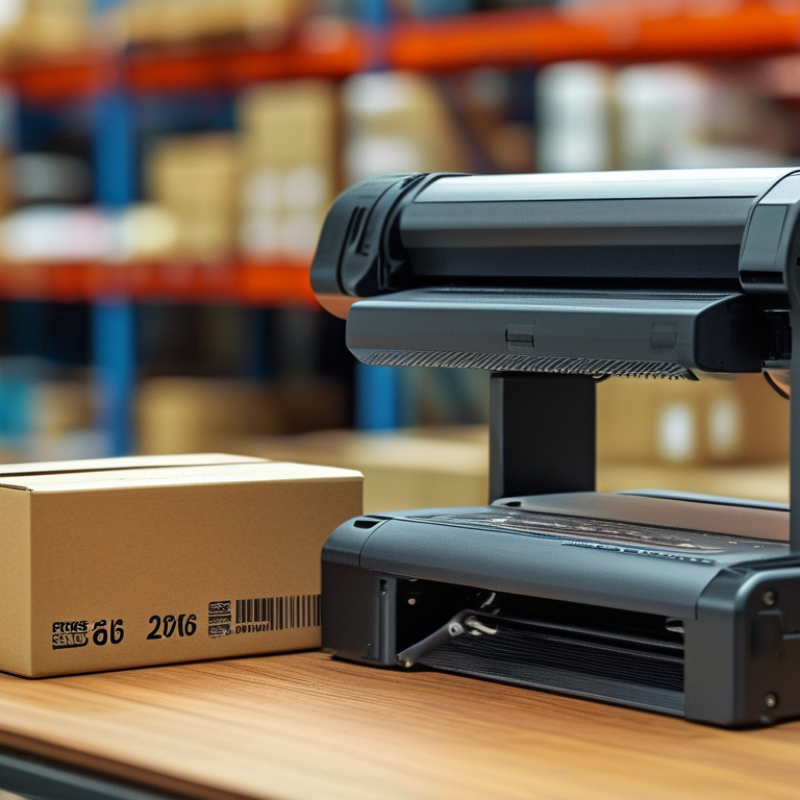
Barcode printed labels serve a vital role across various industries by facilitating inventory management and enhancing customer experiences. Understanding the different types of barcode labels is essential for optimal application. Common types include paper labels, synthetic labels, and RFID labels. Each type has unique characteristics, such as durability and adhesive strength, which determine their suitability for specific environments.
Applications of barcode printed labels can be seen in retail, logistics, and healthcare sectors. Retailers rely on them for inventory tracking and pricing accuracy. In logistics, barcode labels streamline warehouse operations by improving order fulfillment speed. Healthcare providers use them for patient identification and tracking medication, showcasing their importance in ensuring safety and efficiency. However, not all implementations are flawless. Some businesses struggle with scanning consistency or barcodes that fade over time.
Choosing the right label requires careful consideration of the application environment. Factors like temperature, moisture, and exposure to chemicals can affect label performance. While technology advances, challenges remain. Testing different labels in real scenarios often uncovers unforeseen issues. Continuous learning in this field can lead to improvement and better outcomes.
Key Features to Look for in Barcode Printed Labels
When selecting barcode printed labels, it's important to consider durability. Labels should withstand various conditions, such as moisture, temperature changes, and abrasion. Look for materials that resist tearing and fading. A label that survives wear and tear shows reliability and quality.
Another key aspect is the printing quality. Clear, sharp barcodes ensure accurate scanning. If a label's print is smudged or faded, it can lead to errors in inventory and logistics. A professional appearance of the label also reflects well on your brand.
Adhesive strength is another critical feature. Labels must stay in place during shipping and handling. The correct adhesive can make or break a label's functionality. However, not all adhesives are created equal; some may not stick properly or may leave residue. It's crucial to test different options to find the right match for your requirements.
Top Manufacturers of Barcode Printed Labels in 2026
When selecting barcode printed labels in 2026, it's crucial to understand the landscape of manufacturers. Many companies offer various types of labels, catering to different industries. A reliable manufacturer should prioritize quality and adherence to standards. This ensures that labels are durable and can withstand various environments. Manufacturers who invest in advanced technology are often better equipped to produce high-quality products.
Understanding the needs of global buyers helps manufacturers tailor their offerings. Labels must be clear and scannable in diverse conditions. This means considering materials, adhesive strength, and printing quality. Global buyers may face challenges due to varying requirements. Some regions have specific regulations that must be met. Manufacturers who respond to these challenges can gain a competitive edge.
Common issues arise when consistency is lacking. Some labels may not fit all scanner types. Moreover, supply chain disruptions can affect timely delivery. Buyers often feel overwhelmed by choices. Evaluating manufacturers based on their reputation and customer feedback is essential. Engaging with industry experts can also provide deeper insights into the best options available.
2026 Best Barcode Printed Labels for Global Buyers Guide
| Manufacturer Location | Label Material Type | Print Technology | Volume of Labels Produced (Millions) | Sustainability Practices |
| North America | Paper | Digital Printing | 150 | Recycling Programs |
| Europe | Synthetic | Flexographic Printing | 200 | Eco-Friendly Materials |
| Asia | Vinyl | Thermal Transfer | 250 | Carbon Footprint Reduction |
| South America | Paper | Letterpress | 100 | Community Engagement |
| Oceania | Polyester | Inkjet Printing | 75 | Waste Minimization |
Global Trends in Barcode Label Technology and Design
The barcode label industry is rapidly evolving. New materials and technologies have emerged, impacting design and functionality. Adopting these trends can significantly enhance inventory management and streamline operations.
One significant trend is the move toward eco-friendly materials. Consumers increasingly prefer sustainable options. This shift is reshaping the designs of barcode labels. Designs must not only be functional but also environmentally responsible. Many manufacturers are experimenting with biodegradable substrates. However, not all eco-friendly options meet durability standards. This creates a challenge for companies in balancing sustainability with performance.
Another trend is the integration of smart technology. QR codes and NFC tags are becoming common elements of barcode labels. These features allow customers to access detailed product information seamlessly. However, usability issues linger. Some consumers find it difficult to scan, leading to frustration. Continuous improvement in user experience is necessary for wider adoption of these innovations. As technology advances, so will the expectations for barcode labels in various sectors.
Best Practices for Sourcing and Distributing Barcode Labels Worldwide
When sourcing barcode printed labels, understanding regional market needs is crucial. Different areas may have varying requirements for label durability and design. For instance, industries like food and pharmaceuticals demand labels that withstand extreme conditions. These labels should also comply with local regulations. It's essential to research these specifics thoroughly.
Distributing barcode labels comes with its own challenges. Efficient transportation channels and local partnerships can affect delivery times and costs. Maintaining quality during transit is vital. Mismanagement can lead to damaged labels that compromise data integrity. Organizations often reflect on past experiences to streamline their distribution processes.
Engaging with local suppliers can provide insights that improve sourcing efforts. These partnerships foster trust and help anticipate changes in demand. However, relying solely on local sources may limit options. Companies should balance local engagement with global best practices. A mixed approach often yields the best results when navigating diverse markets.