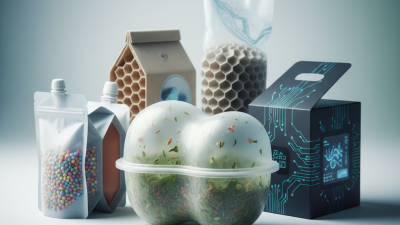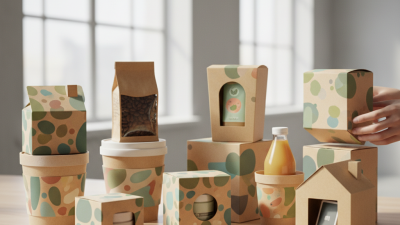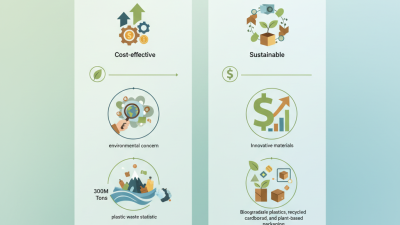
The packaging industry is evolving rapidly. As we approach 2026, emerging trends are reshaping how products are packaged and delivered. Sustainability remains a major focus. Brands are increasingly seeking eco-friendly materials that reduce waste. Consumers are more conscious of their choices. They prefer packaging that aligns with their values.
Innovative designs are gaining traction. Smart packaging is on the rise, integrating technology with functionality. This trend improves user experience and enhances product appeal. However, not all advancements are perfect. Some technologies can be expensive to implement. Companies must weigh the benefits against the costs.
Additionally, customization is becoming a key factor in the packaging industry. Brands strive to create unique experiences for their customers. Yet, finding the balance between customization and efficiency can be challenging. As global buyers navigate these trends, adaptability will be crucial for success.

As we look toward 2026, the packaging industry is evolving rapidly. Sustainable packaging solutions are gaining traction among global buyers. New materials and technologies are emerging, offering eco-friendly alternatives. Biodegradable plastics and plant-based materials are at the forefront. They promise to reduce environmental impact significantly.
Shifts in consumer behavior also drive this trend. More buyers prioritize sustainability. They demand packaging that aligns with their values. Packaging made from recycled materials is becoming common. Many businesses are exploring innovative designs that use less material. This minimizes waste while maintaining product integrity.
Despite these advancements, challenges remain. Not all sustainable options are cost-effective yet. Quality and durability can vary among new materials. Brands must balance sustainability with functionality. Continuous improvement is crucial, as the industry navigates these complexities. Exploring these trends illuminates both progress and areas needing attention.
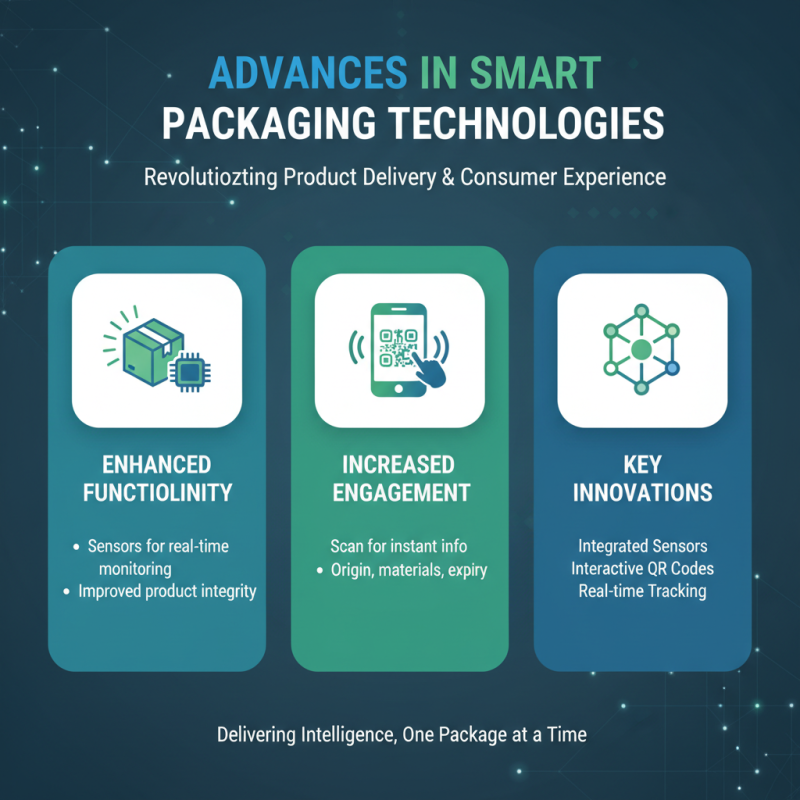
Smart packaging technologies are revolutionizing the way products are delivered and experienced. These innovations enhance functionality and increase consumer engagement. One notable trend is the integration of sensors and QR codes. These elements provide real-time tracking and detailed product information. Consumers can scan a code to learn about the origin, packaging materials, and expiration date.
Another exciting advancement is the use of augmented reality. This technology allows consumers to visualize products in a new way. For instance, they can see how a product will fit with their décor or how it can be used in a recipe. However, as with any technology, there are challenges. Not all consumers are familiar with these innovations. Some may find it overwhelming or confusing.
Sustainability remains a central concern. Smart packaging must balance advanced technology with eco-friendly practices. Biodegradable materials and reduced waste should accompany these high-tech features. It’s important to reflect on how to make these options accessible to every consumer. After all, technology should enhance, not complicate, our shopping experiences.
E-commerce is rapidly changing the packaging landscape. Online shopping requires packaging that ensures product safety and enhances customer experience. As consumers expect quick deliveries, packaging must be efficient and functional. This has led to innovations in materials and designs that protect products while reducing waste.
Sustainability is a growing concern among online buyers. Many prefer brands that use eco-friendly packaging. This trend encourages companies to rethink their choices. They are exploring biodegradable and recyclable options. However, there are challenges. Some sustainable materials may not always provide the necessary durability. Brands must find a balance between efficiency and environmental responsibility.
Moreover, personalized packaging is gaining traction. Customers appreciate packages tailored to their preferences. This customization can enhance brand loyalty. Yet, the costs associated with unique designs can be high. Businesses must evaluate if the benefits of personalization outweigh the expenses. As e-commerce evolves, packaging trends will continue to reflect the changing needs of consumers.
Consumer behavior is profoundly shaping packaging design. Studies indicate that 72% of consumers consider packaging when making a purchase. This statistic highlights the crucial role packaging plays in influencing consumer choices. Sustainable packaging is gaining momentum. More than 50% of shoppers prefer environmentally friendly packaging options. This shift drives brands to rethink their materials and designs.
Visual appeal is also critical. Research shows that color can increase brand recognition by 80%. Bright, eye-catching designs often attract attention on crowded shelves. However, what's trending today may not resonate tomorrow. Trends can change rapidly. Brands must stay informed about changing consumer preferences to remain competitive.
Moreover, personalization is key. 63% of consumers expect brands to understand their individual needs. This expectation challenges packaging designers to create unique and tailored solutions. While brands strive to meet these demands, they often face constraints in production and materials. Constant adaptation is necessary to navigate the complexities of consumer expectations. Balancing innovation and practicality remains a continuous challenge.
The packaging industry is rapidly evolving. Innovations around recyclable and biodegradable materials lead the way. A report by Smithers indicates that the global biodegradable packaging market will reach $477 billion by 2026. This growth reflects a significant shift towards sustainable solutions.
Recyclable materials are becoming indispensable. Many brands now prioritize these materials to meet consumer demand. In fact, a recent survey revealed that 70% of consumers prefer packaging that can be easily recycled. However, challenges remain. Effective recycling systems are not universally available. Inadequate infrastructure hinders efficient recovery, leading to increased waste.
Biodegradable options present another promising avenue. Materials like polylactic acid (PLA) and cellulose are gaining traction. Despite their potential, several hurdles exist. The composting process varies significantly by location, affecting their overall sustainability. Without standardized regulations, their benefits can diminish. Industry leaders must address these inconsistencies for these materials to reach their full potential.
| Trend | Description | Material Type | Projected Growth (%) | Region |
|---|---|---|---|---|
| Smart Packaging | Integration of technology for tracking and freshness monitoring | Biodegradable sensors and RFID tags | 15 | North America |
| Plant-Based Plastics | Use of renewable resources for plastic production | PLA and other biopolymers | 20 | Europe |
| Recyclable Single-Use Packaging | Focus on recycling capabilities of single-use products | Kraft paper and recycled plastic | 18 | Asia-Pacific |
| Edible Packaging | Development of packaging that can be consumed | Seaweed, starch, and protein-based materials | 12 | Global |
| Sustainable Printing Techniques | Use of eco-friendly inks and printing processes | Soy-based inks and water-based coatings | 10 | North America and Europe |