
Choosing the best wire mesh weaving machine can be challenging. In the industry, experts often provide valuable insights. Dr. Henry Adams, a leading authority in wire mesh technology, states, “The right machine enhances productivity and ensures quality.”
When selecting a machine, many factors come into play. Quality, efficiency, and ease of maintenance are critical. An inferior choice can lead to frequent repairs. What's the point in saving money initially, only to face higher long-term costs?
Every manufacturer has unique needs. Some may prioritize speed, while others focus on precision. It's crucial to pinpoint what matters most for your operation. A mismatch here can lead to poor output and wasted resources. Thoughtful consideration of your specific requirements is vital in this selection process.
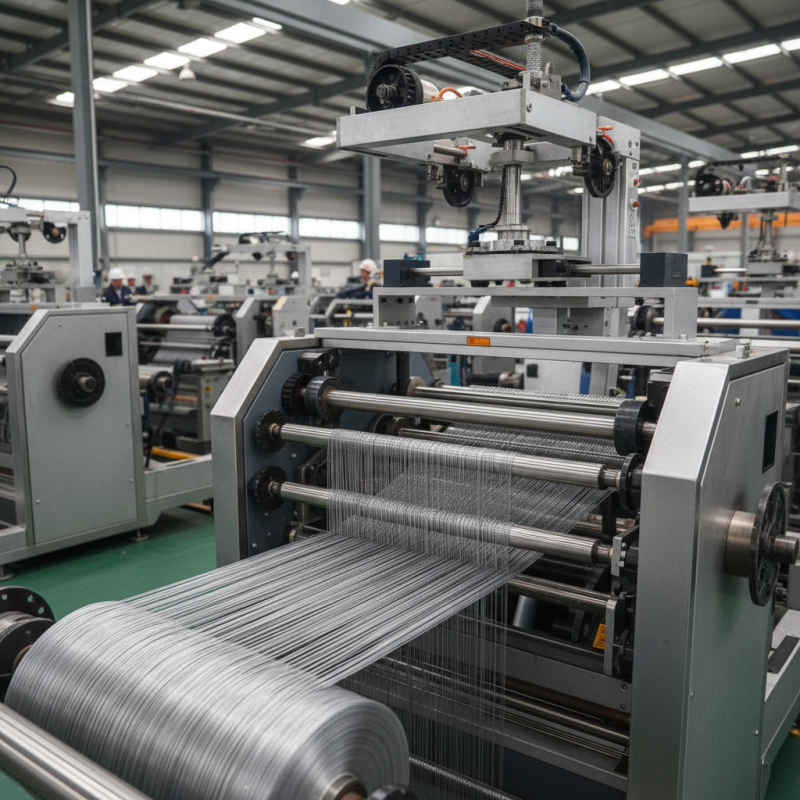
When choosing a wire mesh weaving machine, understanding the key features is critical. Advanced technology in weaving has improved efficiency and precision. Look for machines that offer programmable controls. This allows for adjustments based on mesh size and type. A user-friendly interface can make operation simpler.
Another important aspect is the machine's construction. Sturdy frames enhance stability during operation. Consider machines with high-capacity chucks for better tension control. While many machines are versatile, it's essential to evaluate your specific needs. Are you focused on production speed? Or do you prioritize mesh quality?
Reflecting on previous choices can also guide your decision. Did a past machine underperform? What features did it lack? Think about flexibility as well. Some machines may not adapt well to new technologies. Balancing speed and quality often leads to tough choices. You must assess your priorities carefully.
When exploring wire mesh weaving machines, it's essential to understand the various types available. Different machines serve unique purposes, catering to diverse industries. Some machines focus on producing finer meshes, while others excel at creating thicker ones. This diversity allows manufacturers to select options suited to their specific needs.
For instance, some machines utilize flat wire, offering enhanced strength. Others use round wire for flexibility and ease of installation. The choice of material directly impacts the final product. Not everyone considers how the mesh's weave pattern affects its properties. Some patterns are better for filtration, while others strengthen support structures. Each machine type comes with benefits and drawbacks.
Selecting the best wire mesh weaving machine requires a clear understanding of your project's requirements. Think about the mesh size, wire material, and desired durability. It's easy to overlook factors like maintenance and operational costs. These elements can significantly affect long-term satisfaction. The ideal machine should not only meet current needs but also adapt to future demands. Reflection on long-term goals is crucial in this decision-making process.
| Machine Type | Max Width (mm) | Wire Diameter Range (mm) | Production Speed (m/min) | Power Consumption (kW) | Automation Level |
|---|---|---|---|---|---|
| Automatic Weaving Machine | 2000 | 0.5 - 3.0 | 40 | 25 | Fully Automated |
| Semi-Automatic Weaving Machine | 1800 | 0.6 - 2.5 | 30 | 15 | Semi-Automated |
| Manual Weaving Machine | 1500 | 0.8 - 4.0 | 20 | 10 | Manual |
| High-Speed Weaving Machine | 2500 | 0.4 - 2.0 | 50 | 30 | Fully Automated |
When selecting the best wire mesh weaving machine, it's crucial to consider various critical factors. Size matters significantly. A machine that fits your workspace is essential. Too large, and you risk inefficient operation. Too small, and you may face limitations on production. Evaluate your available space carefully.
Material compatibility is another vital aspect. Different projects require different types of wire. Make sure the machine handles the materials you plan to use. It would be disappointing to invest in a machine that can't meet your production needs.
Here are some tips to guide your decision-making. Check the machine's speed and efficiency. Higher speeds can mean more output, but ensure quality remains intact. Look for features that ease operation, like user-friendly interfaces. Ask for live demonstrations if possible. Nothing beats seeing a machine in action, revealing its strengths and weaknesses.
Cost is an obvious consideration but don't focus solely on the initial price. Calculate long-term value. A cheaper machine may have higher maintenance costs. Balance your budget with potential future expenses. Remember, investing a bit more up front might save you money in the long run.
The wire mesh production industry is evolving rapidly. Companies are embracing innovative technologies to improve efficiency. According to recent market analysis by Grand View Research, the global wire mesh market is projected to reach $6.3 billion by 2025. This growth highlights a demand for more effective production methods.
Efficiency in wire mesh production largely stems from automation. Automated machines not only speed up production but also reduce labor costs. Reports show that automation can enhance production speed by up to 50%. However, the transition to automated systems often comes with high initial investment costs. Smaller companies may find it challenging to afford this shift, raising concerns about market competitiveness.
Another trend worth noting is the use of sustainable materials. Eco-friendly wire mesh options are gaining traction, driven by increasing environmental regulations. Yet, sourcing sustainable materials can prove difficult. Availability remains a critical issue for manufacturers striving to meet both market demand and environmental standards. Balancing costs and sustainability will be a significant hurdle for many in the industry moving forward.
The cost of a wire mesh weaving machine can greatly affect the bottom line for manufacturers. According to a recent industry report from Smith & Associates, the average investment in weaving machines ranges between $50,000 and $150,000. This initial investment is critical in determining production efficiency and profitability.
Performance is another key factor. Machines with higher speed and durability often come at a higher price. A study by Market Insights found that a quality machine could increase output by 30%, offsetting its cost over time. However, assessing the long-term benefits versus initial costs can be challenging. Not all machines live up to their advertised performance, leading to potential losses.
Investing in additional features like automation and advanced control systems can also complicate decisions. While these enhancements may boost productivity and reduce labor costs, they can inflate the purchase price significantly. As a result, companies should weigh these advantages against potential inefficiencies or breakdowns. Analyzing all these aspects can provide significant insights for businesses looking to optimize their operations.