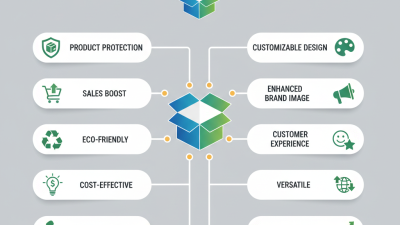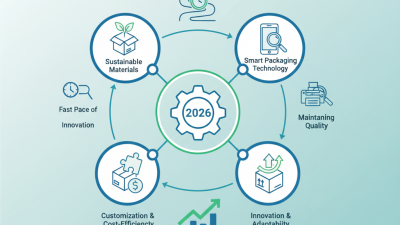
Global buyers are entering a more demanding packaging market. In 2026, packaging design must attract attention, protect products, and communicate value within seconds. It must also perform across different cultures, retail environments, and delivery systems.
Paul Rand, a respected graphic and packaging designer, once said, “Design is the silent ambassador of your brand.” His observation remains highly relevant. A package speaks through its structure, color, typography, materials, and opening experience before a customer reads the label. This guide explores the 2026 Top Packaging Design Trends for Global Buyers, focusing on practical choices that support brand recognition, sustainability, accessibility, and production efficiency.
The strongest trends will not be the loudest ones. They will solve visible problems. Lightweight formats may reduce shipping impact. Refillable systems may encourage repeat purchases. Clear information may help shoppers compare products quickly. Tactile finishes can create confidence, but they may raise costs or complicate recycling. Digital features can improve engagement, yet they should not replace useful physical information.
That balance matters.
Real packaging decisions involve factories, budgets, transport conditions, and customer habits. A beautiful concept can fail during stacking, moisture exposure, or automated filling. Some sustainable claims may also appear convincing without measurable evidence. Buyers should question them.
This introduction sets a practical direction for evaluating emerging packaging design trends. It considers what looks promising, what performs reliably, and what still requires deeper testing. The future will not reward novelty alone. It will reward packaging that is attractive, responsible, understandable, and ready for real-world use.
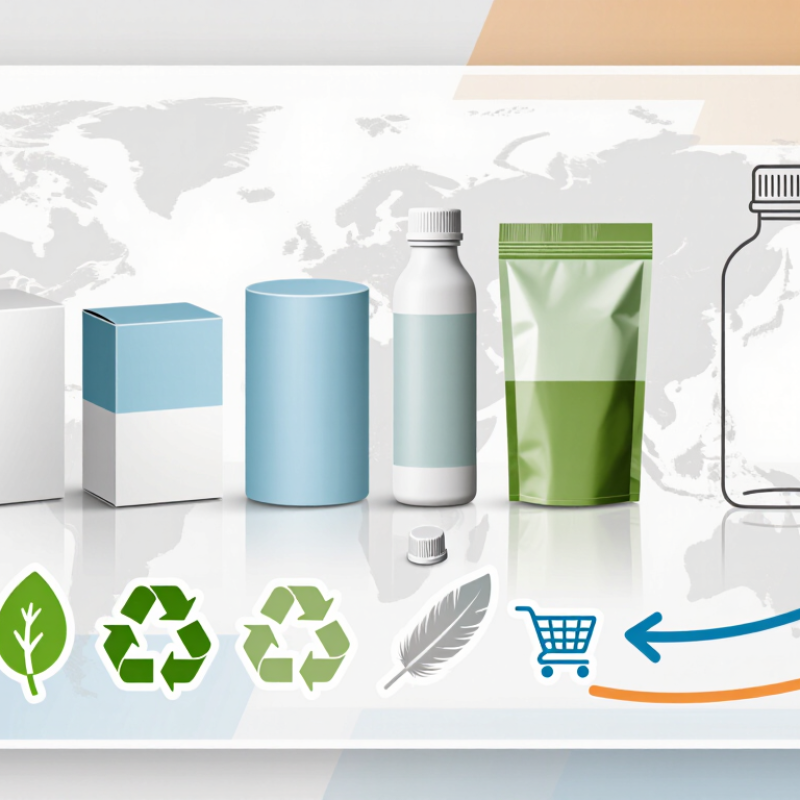
In 2026, packaging design is moving beyond visual appeal. Global buyers increasingly evaluate performance, responsibility, and proof. The core principle is balance: protect the product without creating avoidable waste. A strong pack should survive filling, shipping, storage, and opening. It should also communicate key information clearly across languages and markets. Small details matter. A readable information panel, stable color contrast, and an easy-grip opening improve trust and daily use.
Material choices need evidence, not fashionable claims. Teams can test mono-material structures, right-sized formats, and lightweight components before scaling them. They should review barrier performance, shelf life, recyclability, and local collection systems together. A package may look recyclable but fail in real recovery conditions. That gap deserves honest attention. Digital product information can support traceability, instructions, and disposal guidance, provided it remains accessible without a smartphone. Clear symbols help. They do not replace plain language.
Inclusive design is another defining principle. Tactile cues, larger type, and controlled opening force can support older users and people with limited dexterity. Visual simplicity also helps warehouse teams avoid handling errors. Automation and data tools may improve consistency, but human review remains essential. We still get things wrong. A seal can be too tight, or a label can confuse. Pilot runs, user feedback, and documented testing make improvement measurable. The best 2026 designs will stay practical, transparent, and willing to change when evidence disagrees.
Core Principles Shaping Packaging Design in 2026: recyclability, material efficiency, and mono-material construction are increasingly important as buyers prepare for stricter packaging targets.
Benchmark: EU packaging recycling targets for 2025 and 2030. These targets provide a useful regulatory reference for global packaging design decisions in 2026.
In 2026, global buyers will look beyond attractive packaging and examine its entire material journey. Sustainable design begins with fewer material types, clear recycling instructions, and formats that existing facilities can process. A paper carton with a thin barrier layer may reduce plastic use, but mixed materials can still complicate recovery. That trade-off deserves careful testing.
Circular packaging systems are becoming more practical for selected products. Durable containers can move through controlled return networks, while lightweight packs may use recycled content and established collection streams. Buyers should request evidence about recycled content, transport distance, cleaning requirements, and expected return rates. A refill model sounds efficient. It can fail when customers lack convenient drop-off points.
Packaging teams also need measurable specifications. They can compare material weight, protection performance, damage rates, and end-of-life options across markets. Small details matter, such as a removable label, washable ink, or a closure made from the same polymer as the container. These choices improve sorting accuracy. Still, local infrastructure differs widely, so one global format may not perform equally everywhere. That assumption needs challenging. Experienced procurement teams should run regional pilots, document defects, and involve recyclers before approving large volumes. Better packaging is not always the most novel option. Often, it is the one that works reliably after purchase.
2026 Top Packaging Design Trends for Global Buyers
Smart packaging is moving beyond attractive graphics. It now helps buyers verify products, follow shipments, and interact with useful content. QR codes, NFC tags, and serialized identifiers can connect each package to a secure product record. A scan may show origin details, handling guidance, batch information, or recycling instructions. However, a digital feature must work quickly. If the page loads slowly, trust disappears.
Packaging teams should test smart features across different phones, lighting conditions, and warehouse environments. A code hidden under glossy film may fail beside a store window. Clear placement matters. So does reliable data protection. Collect only necessary information, explain its use, and avoid forcing customers to create accounts. Accessibility should also guide design, especially for users with limited vision or inconsistent internet access. A useful feature is inclusive.
Tips: Use a short scan path. Add a visible call to action. Test damaged labels. Provide offline instructions. Review analytics regularly.
Consumer engagement becomes stronger when interaction feels practical. A scan could unlock care instructions, authenticity checks, refill reminders, or feedback forms. Yet more features do not always create more value. I have seen digital packaging become confusing when every icon demands attention. One honest limitation remains: a scan confirms available data, not every detail about a product’s journey. Teams should audit records, update content, and review errors before launch. Small packaging trials can reveal problems that polished presentations miss.
Practical comparison of smart packaging features, data capabilities, consumer interactions, and implementation considerations
| Smart Packaging Feature | Primary Packaging Use | Data or Function Enabled | Consumer Engagement | Tracking Capability | Implementation Considerations | 2026 Adoption Outlook |
|---|---|---|---|---|---|---|
| Dynamic QR Code | Mass-market consumer goods, food packaging, cosmetics, and household products | Links packaging to product information, instructions, authentication pages, recycling guidance, and updated digital content | Scan-to-learn content, digital manuals, recipes, promotions, surveys, and multilingual product information | Can connect a unique product identity with production, distribution, and post-purchase events when linked to a digital record | Requires a readable code, mobile internet access, secure redirect management, and privacy-compliant analytics | Very High |
| GS1 Digital Link-Compatible Identifier | Products requiring interoperable identification across retail, logistics, and digital channels | Connects a product identifier to structured online information and multiple authorized data sources | Provides access to product facts, safety information, traceability details, and disposal instructions | Supports item, batch, lot, and serial-level digital records depending on the identifier structure | Requires consistent identifier governance, resolver management, data ownership, and supply-chain coordination | Very High |
| NFC Tag | Premium packaging, authentication-sensitive products, reusable containers, and interactive packs | Stores or retrieves a digital identifier through near-field communication | Tap-to-open product registration, authenticity checks, care instructions, loyalty content, or replenishment services | Supports item-level identification and event logging when each tag has a unique record | Higher unit cost than printed codes; requires tag placement testing, smartphone compatibility, and protection from interference | High |
| UHF RFID Inlay | Cases, pallets, warehouse units, apparel packaging, and automated inventory operations | Enables contactless reading of electronic product or logistics identifiers without line-of-sight scanning | Usually indirect consumer engagement; can support faster fulfillment, availability accuracy, and returns processing | Strong fit for item, case, and pallet movement records across receiving, storage, picking, and shipping | Requires readers, antennas, middleware, tag commissioning, and testing around liquids and metal materials | High |
| Serialized 2D Barcode | Regulated goods, healthcare packaging, food products, and products requiring unit-level records | Carries product, batch or lot, expiry, and serial information in a machine-readable format | Enables consumers to verify information, check expiry details, and access digital product content | Supports traceability from production through distribution when scan events are captured and shared | Needs accurate master data, serialization controls, print verification, and adequate scanning infrastructure | Very High |
| Time-Temperature Indicator | Cold-chain food, pharmaceuticals, biological materials, and temperature-sensitive products | Shows cumulative exposure to defined temperature conditions through a visible or electronically readable change | Makes handling conditions easier to understand and can support confidence at the point of receipt | Provides condition monitoring rather than location tracking; electronic versions can store time-stamped readings | Must be selected and calibrated for the product’s validated temperature profile and applied consistently | Growing |
| Tamper-Evident Digital Seal | High-value goods, health-related products, export packaging, and products exposed to diversion risk | Combines a physical tamper signal with a digital identity or verification event | Allows buyers to check package integrity and access safety or authenticity information | Can record verification attempts, opening events, and serial-level status where supported by the system | Requires secure credentials, controlled issuance, replacement procedures, and clear consumer instructions | High |
| Interactive Packaging with AR or Web Experiences | Promotional packs, educational products, seasonal packaging, and product-use guidance | Uses a printed trigger or digital identifier to launch multimedia, three-dimensional, or guided content | Offers tutorials, virtual demonstrations, games, product stories, and interactive education | Limited direct logistics tracking; engagement events can be measured with consent-based analytics | Content must load quickly, work across common devices, and provide accessible alternatives for users who cannot use AR | Growing |
| Digital Product Passport-Ready Data Layer | Durable goods, textiles, electronics-related packaging, and products requiring lifecycle information | Organizes product composition, repair, reuse, recycling, supply-chain, and lifecycle information for authorized users | Provides clearer material information, care guidance, repair options, and end-of-life instructions | Supports lifecycle records when product identity, data access, and supply-chain events are connected | Requires interoperable data models, role-based access, durable identifiers, and reliable supplier data | Growing Rapidly |
| Connected Refill and Reuse Indicator | Reusable containers, refill systems, returnable transport packaging, and circular delivery models | Identifies the container and can record refills, returns, cleaning cycles, or reuse status | Guides consumers to refill points, return instructions, deposit information, and reuse rewards | Tracks container circulation and status when scan events are captured at each handoff | Needs durable marking, standardized return workflows, cleaning validation, and reverse-logistics visibility | Growing |
Data basis: established packaging and identification technologies, including QR Code and Data Matrix encoding, NFC, UHF RFID, GS1 Digital Link principles, serialization, temperature indicators, and lifecycle information systems. Adoption outlook is a qualitative assessment for global packaging buyers and is not company-specific market data.
Culturally adaptive packaging will shape global buying decisions in 2026. International shoppers notice more than color and typography. They read symbols, images, serving cues, and language through local cultural expectations. A hand gesture, animal, or number may feel positive in one market but confusing elsewhere. Packaging teams should test these details with native reviewers before production.
Design should adapt without losing product clarity. Use a flexible visual system, not one rigid package. Keep the product name visible, while adjusting secondary text, imagery, and information order for each region. A compact package may need larger text in markets where older consumers often shop. Translated copy also deserves professional review. Literal translation can sound awkward. Sometimes, it can change the intended meaning.
Tips: Build a cultural review checklist for every target market. Test colors, icons, claims, measurements, and opening instructions. Photograph the package on a local shelf, not only on a studio screen. Ask reviewers what feels unclear. Accept criticism early.
Avoid assuming that one “global” design fits everyone. It usually does not. Sustainable materials also require local consideration, since disposal habits and collection systems differ widely. Clear recycling guidance can support trust, but only when it reflects verified regional practices. Some design choices may remain imperfect after testing. That is useful feedback, not failure. Revisit them before scaling production.
Packaging buyers entering 2026 are asking harder questions than “Does it look premium?” They need packs that open easily, survive transport, and control total cost. Smithers’ report, The Future of Global Packaging to 2028, projects continued growth in global packaging demand, driven by food, healthcare, and e-commerce. More volume makes efficiency essential, not optional.
Accessible design starts with small physical details. Clear contrast, readable type, and tactile opening points help users with limited vision or hand strength. Shorter tear lines can prevent failed openings and damaged contents. ISO 17480:2015 offers guidance for easy-opening packaging, but laboratory compliance is not enough. Field trials matter. A carton that works on a desk may fail beside a wet sink.
Cost-efficient packaging often comes from right-sizing, lightweight structures, and fewer material combinations. These changes can reduce freight space and simplify sorting. The OECD’s Global Plastics Outlook reported that only 9% of plastic waste was recycled globally in 2019. That figure should challenge convenient claims about recyclability. A thinner pouch may lower material use, yet it can tear during pallet handling. We have seen designs optimize factory output while creating more returns. Buyers should test compression, humidity, opening force, and stacking before approving a global specification. The cheapest unit price is sometimes the most expensive decision.