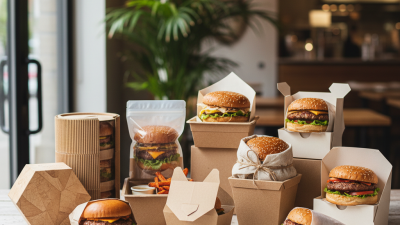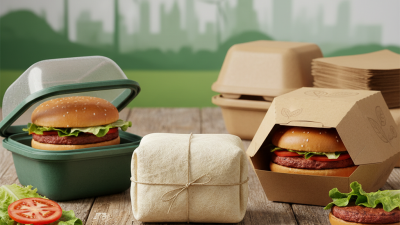
In 2026, the packaging landscape in Montreal is set to evolve dramatically. The industry is experiencing a seismic shift, driven by sustainability and consumer demand. According to a recent report from Smithers Pira, the global packaging market is expected to reach $1 trillion by 2025. Montreal, as a front-runner in this sector, is harnessing innovative technologies to stay competitive.
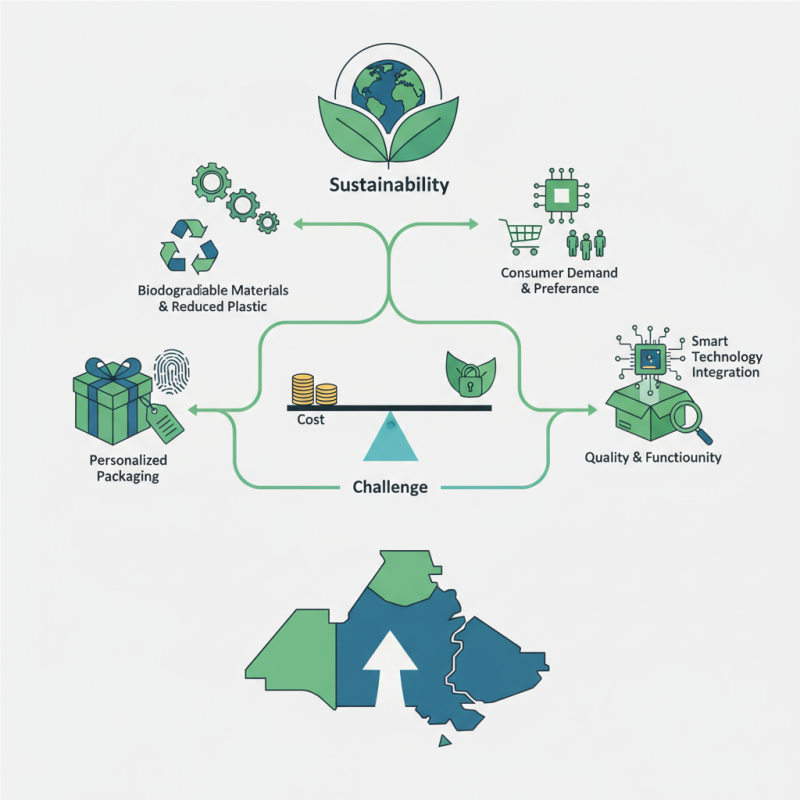
Recent studies indicate that 60% of consumers prefer brands that emphasize eco-friendly packaging. This trend highlights the importance of sustainability in packaging Montreal. Companies are adapting by using biodegradable materials and reducing plastic usage. However, challenges remain. Not all businesses can afford the transition to greener alternatives. The balance between cost and sustainability is a complex equation that requires careful consideration.
Montreal's packaging industry must navigate these changes while maintaining quality and functionality. Emerging trends show an increase in personalized packaging and smart technology integration. Yet, as businesses strive for innovation, some may overlook the basic principles of effective packaging. Awareness of these trends is crucial for all stakeholders in the Montreal packaging scene.
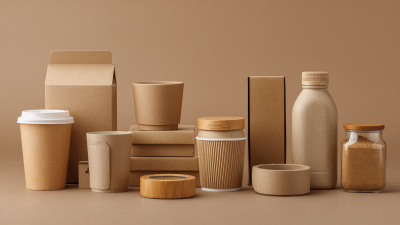
The packaging industry is undergoing remarkable transformations as we approach 2026. Innovations in materials and design will significantly impact how products are presented and consumed. Sustainable packaging solutions, such as biodegradable materials and minimalistic designs, are at the forefront, aligning with increasing consumer demand for eco-friendliness. Brands are prioritizing transparency, allowing consumers to understand their packaging's lifecycle.
**Tip:** Consider sustainability when selecting packaging options. Opt for materials that leave minimal environmental footprints. This not only appeals to eco-conscious consumers but also enhances brand reputation.
Technological advancements are also shaping packaging. Smart packaging, equipped with sensors, is set to enhance user experience. These innovations provide freshness indicators or track product performance. However, implementing technology can be costly, and brands must weigh the benefits against financial implications.
**Tip:** Stay informed about emerging technologies in packaging. Assess what fits your brand's identity and budget. Effective integration can lead to increased customer engagement and loyalty.
The packaging sector in Montreal is evolving. Sustainability is driving changes in materials and processes. Companies are prioritizing eco-friendly options. This trend is not just a choice; it’s a responsibility.
Many brands are seeking biodegradable materials. These options reduce waste and lessen environmental impact. Reusable packaging is also gaining traction. It allows consumers to contribute to sustainability efforts. However, not all companies are ready to make this shift. Some struggle with costs and supply chain complexities. This highlights a need for innovation in logistics and design.
In 2026, circular economy practices will play a crucial role. Businesses must adapt to new regulations. They face pressure to minimize their carbon footprints. Transparency in sourcing and production is essential. Consumers increasingly demand honesty about materials. This creates opportunities for brands willing to engage in sustainable practices. Nevertheless, challenges remain. The balance between cost, efficiency, and eco-friendliness is delicate.
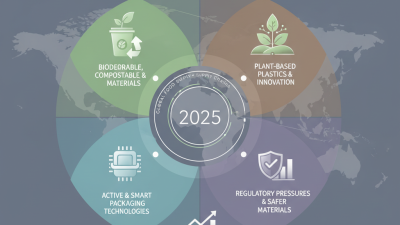
This chart illustrates the projected growth of various sustainability trends in Montreal's packaging sector for 2026. The data highlights the increasing focus on eco-friendly materials, recyclable packaging, and minimalistic design approaches.
In 2026, packaging trends in Montreal will see a significant transformation. Emerging materials and technologies are shaping the future. Biodegradable plastics, made from renewable sources, are gaining traction. According to a recent report by Smithers Pira, the demand for sustainable packaging is increasing at a rate of 6.7% annually. This shift reflects consumer preferences for eco-friendly options.
Advancements in smart packaging technologies are also noteworthy. These innovations enhance product traceability and shelf life. For instance, QR codes and NFC tags can provide important product information. They also encourage customer interaction. Data from Mordor Intelligence reveals that the smart packaging market is expected to reach $40 billion by 2027.
Tips: Brands should explore various sustainable materials. Experimenting with designs can lead to unique, eye-catching packaging. Balancing innovation with sustainability is vital. Always consider the environmental impact. Continuous improvement in design processes can lead to more effective solutions. Reflect on feedback to make better choices.
Consumer preferences are shaping the future of packaging in Montreal. Shoppers now demand sustainable options. They are more aware of environmental impacts. This shift towards eco-friendly materials drives innovation in the industry. Companies are exploring renewable resources, minimizing waste, and using biodegradable materials.
Transparency is key. Consumers expect brands to disclose information about their packaging choices. This means clear labeling and information about recyclability. People want to know how to dispose of products properly. Interactive packaging designs are also gaining traction. They engage consumers and enhance their shopping experience. Yet, brands must balance creativity with functionality. Some designs are visually stunning but lack practicality. This disconnect can frustrate consumers and affect buying decisions.
Another emerging trend is convenience. Busy lifestyles demand easy-to-use packaging. Single-serve options and resealable designs are very popular. Yet, the challenge remains to maintain product integrity. Packaging should protect contents without contributing to waste. Brands should constantly refine their strategies. They must listen to feedback and adapt. This ongoing dialogue with consumers will be essential to succeed in 2026 and beyond.
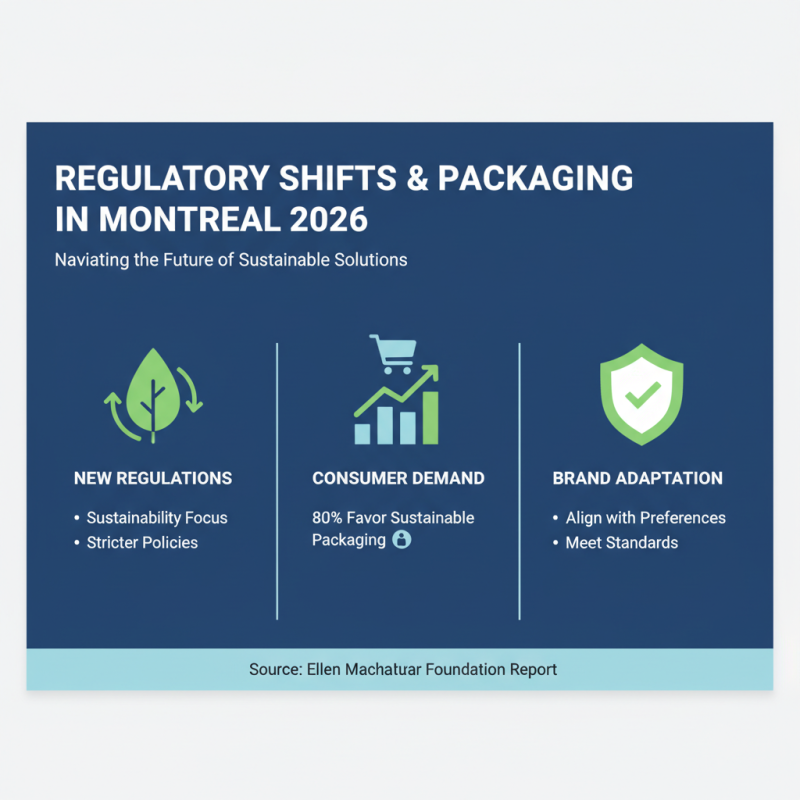
Regulatory changes are redefining the packaging landscape in Montreal by 2026. Legislation focusing on sustainability is on the rise. A significant report by the Ellen MacArthur Foundation highlights that nearly 80% of consumers favor sustainable packaging choices. As policies evolve, brands must align with these consumer preferences while meeting stringent regulatory standards.
New restrictions on materials previously deemed acceptable are emerging. For example, single-use plastics face increasing bans in urban regions. A recent study suggests that 75% of North American companies are investing in alternative materials to comply with these regulations. This shift also brings challenges in production costs and supply chain logistics, often leading to high investment requirements.
Pressure from regulatory frameworks could stifle innovation. Companies may struggle to balance compliance and creativity in packaging design. Many are revisiting their strategies to incorporate circular economy principles. They aim to enhance recyclability and reduce waste impact. Transitioning to new materials can create hurdles, but it also spurs innovative approaches that prioritize both compliance and consumer satisfaction.