In the ever-evolving landscape of packaging printing, staying updated on the latest trends is crucial for industry success. According to John Smith, a leading expert in packaging printing, "Innovation drives packaging printing forward, shaping how brands connect with consumers." His insights emphasize the importance of adapting to new technologies and consumer preferences.
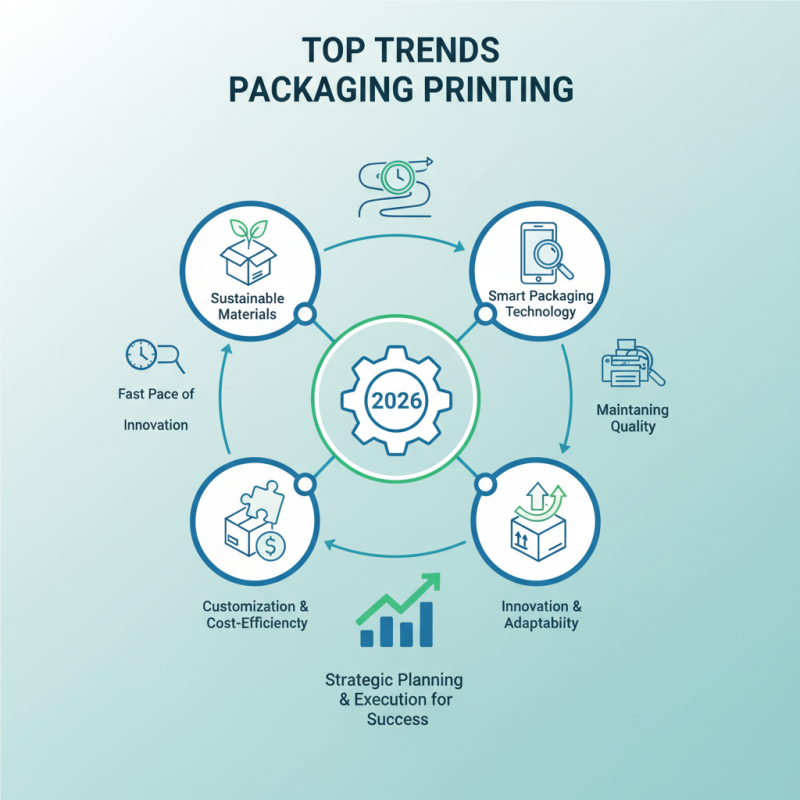
As we approach 2026, several key trends are emerging. Sustainable materials are gaining traction, driven by growing environmental concerns. Brands are seeking eco-friendly alternatives to traditional packaging. Smart packaging technology is also on the rise, enabling interactive experiences for consumers. Companies must consider how these advancements can enhance their brand value.
Yet, challenges persist. The fast pace of innovation may overwhelm some businesses. Maintaining quality amid rapid change is critical. Brands may find it tough to balance customization and cost-efficiency. In packaging printing, embracing change requires strategic planning and careful execution. Understanding these trends will be essential for success in the near future.
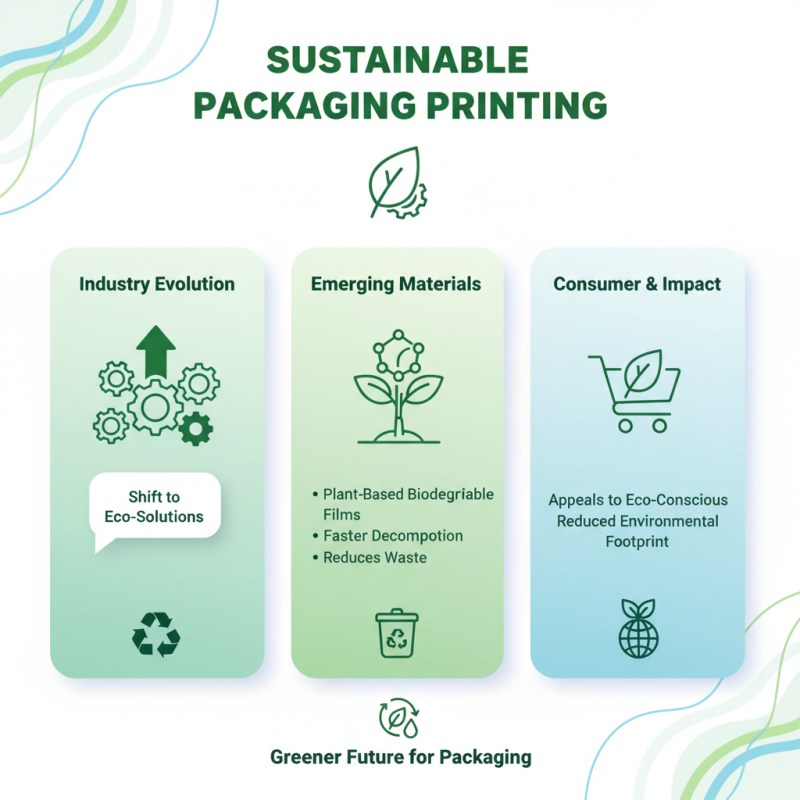
The packaging printing industry is rapidly evolving towards sustainable solutions. Emerging materials are playing a crucial role. Biodegradable films made from plant-based sources are gaining traction. These materials decompose more easily than traditional plastics. This shift not only reduces waste but also appeals to environmentally conscious consumers.
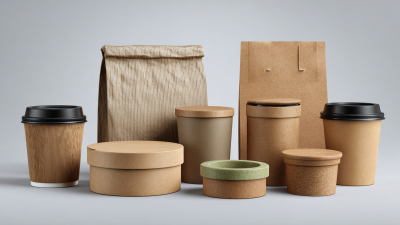
Using recycled paper and cardboard is another trend. They can be printed upon efficiently and are widely available. Consumers appreciate packaging that reflects sustainable choices. However, the challenge lies in ensuring quality. Sometimes, recycled materials may lack durability. Testing and innovation will be key to overcoming this hurdle.
Tips: Consider experimenting with mixed materials. This approach can enhance durability while retaining eco-friendly properties. Collaborate with suppliers who prioritize sustainability. Engage with your audience to understand their preferences. Their feedback can guide better material choices. Monitoring trends actively will keep your packaging relevant and appealing.
Digital printing technologies are revolutionizing the packaging industry. Recent data shows that the global digital printing market is expected to reach $29 billion by 2027, driven by innovations in speed and quality. This trend allows for shorter runs and faster turnaround times. Brands are now embracing customized packaging solutions, which attract consumers’ attention.
Furthermore, advancements in digital inkjet printing are significant. Companies are adopting this technology for high-quality results with less waste. According to a study, 40% of businesses are shifting towards inkjet systems. This transition is not just about aesthetics; it also addresses sustainability. Digital printing reduces excess inventory and material waste. However, challenges remain. Equipment costs can be high for small manufacturers.
As brands focus on sustainability, new biodegradable inks are emerging in the market. Yet, the long-term durability of these inks is still under question. Consumer preferences are changing rapidly. There is a constant need for research into how these trends can align with eco-friendly goals. A delicate balance exists between innovation and practical execution in packaging printing.
Customization and personalization are reshaping packaging design. Brands increasingly recognize that consumers want unique experiences. This trend extends beyond just the product inside. Packaging should reflect personal stories and values.
Consumers appreciate packaging that feels made for them. Special features like individual names or tailored graphics create a deeper connection. For example, a limited edition design can excite buyers. Yet, challenges arise. Balancing mass production with individual customization is complex. Some designs may lack flexibility in printing methods, posing production issues.
Sustainability is essential but often overlooked in the quest for personalization. Using eco-friendly materials is important, but it can be harder to customize. The result? A need for better solutions that don’t compromise both. Engaging consumers through thoughtful design is crucial, but it’s not always easy. Brands need to innovate while being mindful of these pitfalls. Each choice shapes the consumer's journey, and reflection on these choices can lead to meaningful improvements.
| Trend | Impact on Consumer | Customization Type | Sustainability Factor |
|---|---|---|---|
| Eco-Friendly Materials | Increase brand loyalty | Biodegradable, Reusable | High |
| Smart Packaging | Enhances user experience | Interactive Labels, QR Codes | Medium |
| Personalized Packaging | Creates emotional connection | Custom Designs, Names | Low |
| Minimalist Design | Appeals to modern aesthetics | Simple and Clear | Medium |
| Augmented Reality | Engages consumers uniquely | Digital Content Interaction | Low |
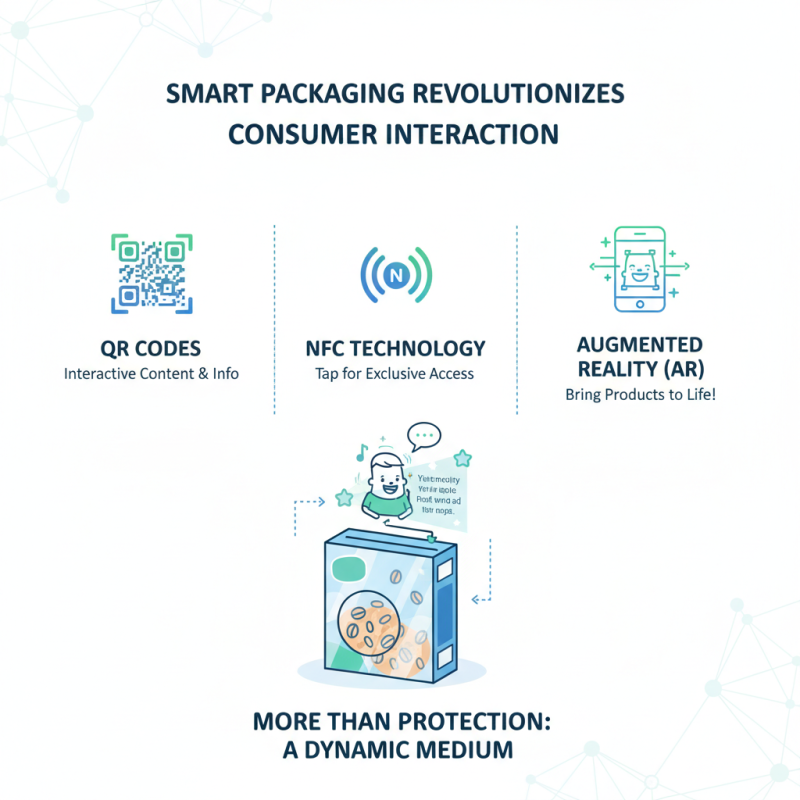
The integration of smart packaging features is revolutionizing consumer interaction. Packaging is no longer just a protective layer; it has become a dynamic medium for engagement. With QR codes, NFC technology, and augmented reality, brands can deepen their connection with consumers. Imagine a cereal box that not only stores grains but also tells a story through interactive content. This feature brings products to life in a delightful way.
Tips: Consider how your packaging can create dialogue with consumers. Are there ways to include educational content or fun facts? An interactive experience can raise product interest.
Augmented reality (AR) is gaining traction. Consumers can scan packaging to access videos and recipes, making them feel involved. However, implementation can be tricky. Not all consumers are tech-savvy. Some may find such features overwhelming or confusing.
Tips: Ensure that the technology is user-friendly. A simple guide or icon can help. Make it easy for everyone to understand. Packaging should enhance, not frustrate the experience.
Regulatory changes are reshaping packaging printing practices significantly. Governments worldwide are tightening rules on materials and sustainability. This influences how businesses approach packaging design. For instance, the shift towards recyclable materials is now a necessity, not just a choice. Companies must adapt quickly to avoid penalties.
In some areas, the regulations are stringent. Non-compliance can lead to substantial fines. Brands are forced to rethink their entire supply chains. This transition isn't always smooth. Some businesses struggle to find eco-friendly materials that meet the new standards. Innovations are emerging, but challenges remain.
Stakeholders must actively engage with these changes. They need to invest in research and development for compliant materials. Collaboration with regulatory bodies can open pathways for innovation. However, many companies overlook these opportunities, leading to missed chances. Embracing proactive strategies will be crucial in navigating the evolving landscape. In a world where sustainability is becoming vital, adapting to regulatory changes is no longer optional; it’s essential.