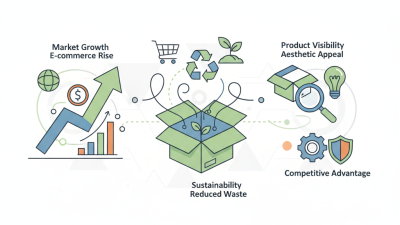
In recent years, carton packaging has emerged as a vital component in the quest for sustainable business growth. According to a report by Smithers Pira, the global carton packaging market is projected to reach $500 billion by 2025, reflecting a growing consumer preference for eco-friendly solutions. This shift is driven by increasing awareness of environmental issues and the demand for recyclable materials. Industry expert Laura Johnson emphasizes, "Carton packaging reduces waste while providing functional and aesthetic benefits."
Businesses are recognizing that adopting carton packaging not only meets consumer expectations but also improves operational efficiency. For instance, carton-packaged goods are lighter, making transportation more sustainable. However, challenges remain. Some companies struggle to fully integrate sustainable practices into their supply chain. This gap creates a need for reflection and innovation.
As brands strive for a greener future, carton packaging stands out as a promising solution. Aligning packaging choices with sustainability goals can enhance brand reputation and customer loyalty. The ongoing evolution of carton packaging offers exciting opportunities for those willing to adapt and rethink their strategies in an increasingly eco-conscious marketplace.
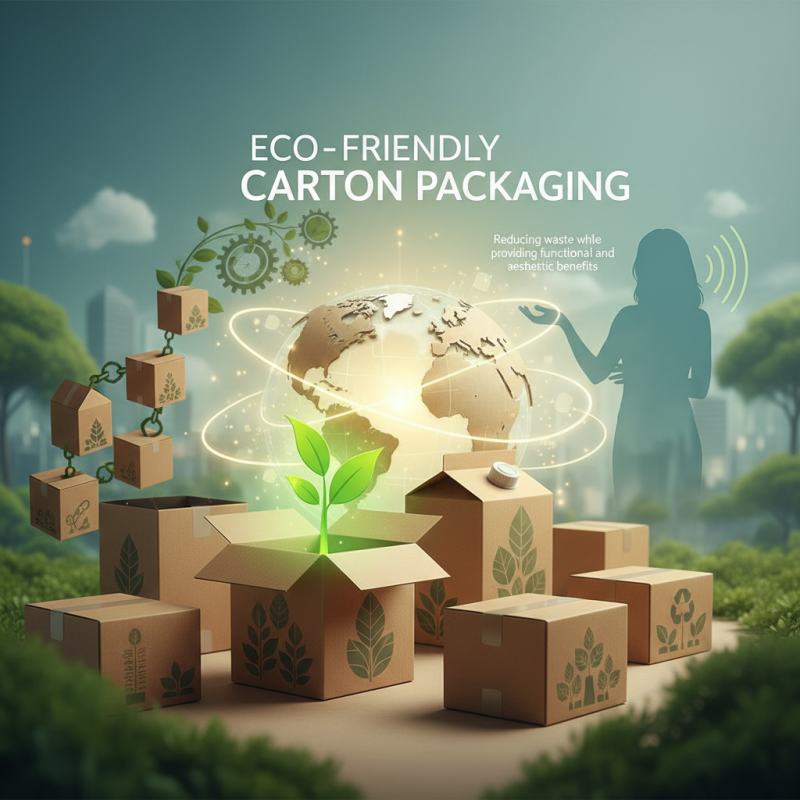
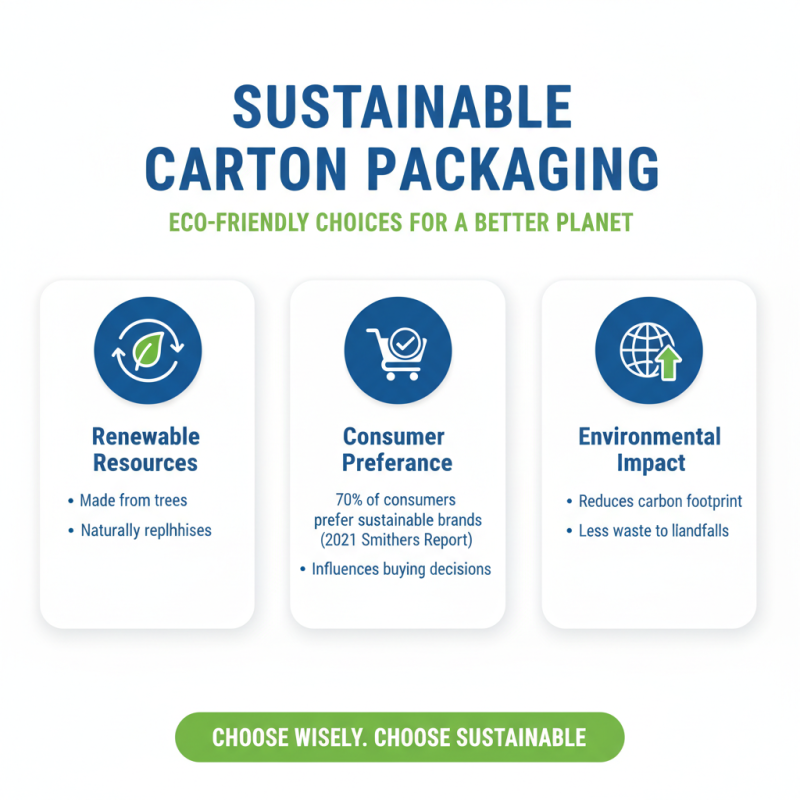
Carton packaging has gained prominence in discussions about sustainability. It is made from renewable resources, which aligns with eco-friendly practices. A 2021 report by Smithers noted that 70% of consumers prefer brands using sustainable packaging. This shift influences purchasing decisions significantly.
Yet, challenges persist. Carton production can consume large amounts of water and energy. In some regions, the sourcing of raw materials may contribute to deforestation. Balancing sustainable goals with these issues is crucial for businesses. Recent data indicates that 40% of companies face difficulties in sourcing sustainable cardboard materials.
Despite these hurdles, carton packaging continues to be favored. It offers excellent recyclability, with an average recycling rate of 85%. This statistic highlights potential benefits for businesses aiming for sustainability. Investing in sustainable design could lead to long-term growth, attracting eco-conscious consumers.
Carton packaging has emerged as a key player in promoting sustainability for businesses. Made from renewable resources, cartons offer considerable environmental benefits. According to the Packaging Association, about 70% of cartons are recyclable. This reduces waste and lessens the load on landfills. Furthermore, the production process of cartons often uses less energy compared to plastic alternatives.
Adopting carton packaging can significantly lower carbon footprints. A report by the Forest Stewardship Council indicates that responsibly sourced paper can store carbon, making it a climate-friendly option. Some businesses have demonstrated a 30% reduction in emissions by switching to carton packaging. This shift not only helps the planet but also appeals to eco-conscious consumers.
Tip: Always choose suppliers that prioritize sustainable sourcing. This not only enhances your brand's reputation but also contributes positively to the environment. Another tip is to educate your employees about the benefits of carton packaging to create a unified approach to sustainability. This can lead to innovative practices that further reduce ecological impact.
Carton packaging is gaining traction as a cost-effective solution for businesses aiming for sustainability. Consider its weight. Lighter than glass or plastic, cartons reduce transportation costs and save fuel. This means lower emissions and a smaller carbon footprint. Also, cartons are often cheaper to produce than many alternatives, making them a smart financial choice.
Despite these benefits, some companies overlook the recycling aspect. Just because the material is recyclable doesn't mean it is always recycled. It's vital to educate consumers about proper disposal methods. Encourage your customers to participate in recycling programs actively.
Another point to ponder: while cartons are eco-friendly, the water and energy used in manufacturing can vary. Have you checked your suppliers? Ensure they follow sustainable practices during production. Choosing local suppliers can minimize transport emissions but requires careful evaluation. Small steps can lead to significant changes, fostering both sustainability and profitability.
The demand for eco-friendly packaging is rising. Consumers are becoming more conscious of their environmental impact. They prefer brands that use sustainable materials. Carton packaging stands out in this respect. It is made from renewable resources and is recyclable, appealing to the eco-minded shopper.
Incorporating carton packaging can boost brand loyalty. Customers appreciate companies that prioritize sustainability. A survey revealed that 75% of consumers are willing to pay more for eco-friendly options. This shift influences purchasing decisions significantly. It offers businesses a chance to differentiate themselves.
Tip: Consider transitioning to carton packaging gradually. Start with a few products and assess customer feedback. This approach allows you to gauge interest without fully committing.
Tip: Share your sustainability journey with consumers. Transparency builds trust and encourages brand loyalty. It connects your products with your values. This relationship can foster long-term growth.
Carton packaging is evolving rapidly. The push for sustainability drives these innovations. According to a recent report by Smithers, the global market for sustainable packaging is expected to reach $500 billion by 2028. Consumers are choosing brands that prioritize eco-friendly practices. This shift impacts how businesses approach packaging.
One innovative trend is the use of biodegradable materials in carton production. These materials break down naturally, reducing landfill waste. Additionally, studies show that nearly 70% of consumers support brands using sustainable packaging. Companies can benefit from this trend by incorporating recycled paperboard. However, sourcing such materials may pose challenges, affecting cost and supply chains.
**Tips:** Consider experimenting with designs that minimize material use. This can lower costs and reduce waste. Engage your customers by highlighting your sustainable practices on packaging. Create awareness around the benefits of choosing eco-friendly options. Continuous improvement is vital; never stop seeking feedback and new ideas to enhance your packaging strategy.
| Benefit | Description | Impact on Sustainability |
|---|---|---|
| Eco-Friendly Materials | Cartons are typically made from renewable resources, which reduces dependency on plastic. | Promotes resource conservation and reduces carbon footprint. |
| Recyclability | Carton packaging can be easily recycled, contributing to a circular economy. | Encourages recycling behavior among consumers and reduces waste. |
| Lightweight Design | Cartons are lightweight, which reduces transportation energy costs. | Lower carbon emissions associated with transportation. |
| Brand Perception | Sustainable packaging enhances brand image and attracts eco-conscious consumers. | Increases customer loyalty and market share among sustainability-focused consumers. |
| Cost-Effectiveness | Carton packaging can be more cost-effective compared to other materials in the long run. | Enables investment in other sustainable initiatives. |