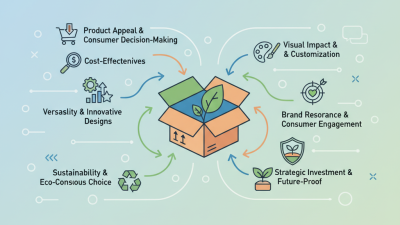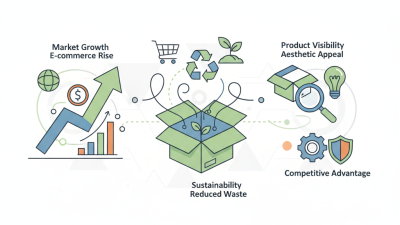
In today's competitive market, businesses are always seeking effective packaging solutions. One such approach is folding carton packaging. This type of packaging offers numerous advantages that can benefit companies of all sizes. It is not only practical but also versatile. Firms can design custom shapes and sizes to suit their unique products.
Folding carton packaging is lightweight yet sturdy. It protects products during transportation and appeals to consumers. The visual aspect of packaging can attract attention and boost sales. Additionally, it’s often more environmentally friendly than alternatives. Using recyclable materials appeals to eco-conscious customers. However, businesses must reflect on their specific needs.
Incorporating folding carton packaging may initially seem costly. Yet, the long-term benefits can outweigh these expenses. Improved brand image and enhanced customer experience are vital. Companies should continually assess their packaging strategies. This reflection helps in utilizing folding carton packaging effectively.
Folding carton packaging offers significant cost efficiency for businesses looking to optimize their operations. These cartons are lightweight and easy to handle, which reduces shipping costs. Furthermore, their customizable nature allows brands to create tailored solutions, avoiding excess material usage. This adaptability can lead to lower production expenses and improved inventory management.
Investing in folding cartons can also minimize waste. Traditional packaging may generate more scrap, increasing disposal costs. In contrast, folding cartons can be crafted to fit product dimensions closely. This efficiency not only conserves materials but also enhances sustainability, a growing consumer priority. However, businesses must be cautious about overdesigning, which can lead to unnecessary expenditures.
Cost-effective manufacturing makes folding cartons accessible for various industries. Their design can be printed on directly, eliminating the need for additional labels, which cuts costs further. Yet, some companies may overlook the importance of branding in their packaging choices. This oversight can hinder their market presence. Balancing cost with design is essential for long-term success in using folding cartons.
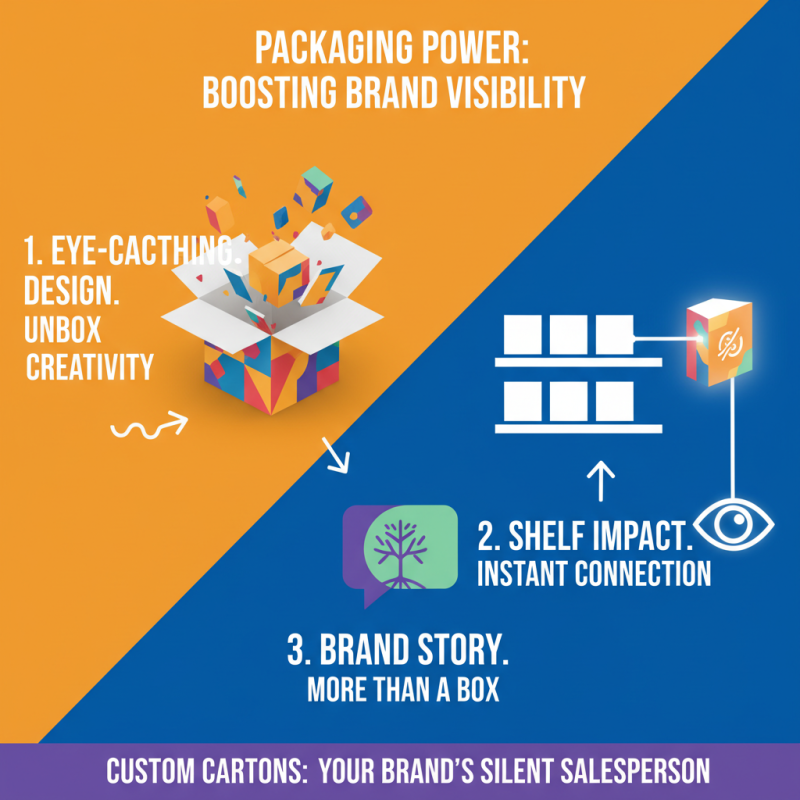
Custom folding carton design significantly enhances brand visibility. Vibrant colors and unique shapes catch customers’ eyes. When a product stands out on the shelf, it creates an instant connection with potential buyers. Thoughtful design can communicate a brand's story effectively. Packaging serves not just as a container but as a canvas for creativity.
However, achieving this perfect design is not always easy. There can be a disconnect between design intentions and production capabilities. Sometimes, businesses focus too much on aesthetics, neglecting functionality. Packaging must protect the product while being visually appealing. Assessing materials and structural integrity is crucial. Balancing these elements is a challenge many brands face.
Moreover, brands should consider sustainability in their packaging choices. Eco-friendly materials can amplify brand message. Consumers increasingly value sustainability. A well-designed folding carton that incorporates green practices can enhance brand loyalty. Reflecting on the evolving market can lead to innovative solutions in packaging design. Ignoring these trends might limit a brand’s growth potential.
Folding carton packaging plays a pivotal role in promoting sustainable practices. It is primarily made from renewable resources, which reduces reliance on fossil fuels. Industry reports indicate that over 70% of folding cartons are recyclable. This not only conserves natural materials but also minimizes waste sent to landfills.
Moreover, folding cartons can significantly lower carbon footprints. According to a 2022 study by the Paper and Packaging Board, using folding cartons can reduce greenhouse gas emissions by up to 30% compared to other packaging types. This shift helps companies enhance their eco-friendly image. However, the reality is that not all consumers recognize these benefits. Many still prefer plastic, which can be problematic for the environment.
Folding cartons are lightweight and efficient. They require less energy to produce and transport, therefore saving resources. Despite these advantages, companies face challenges in educating consumers about sustainability. Many packaging options claim to be eco-friendly, causing confusion. As the market evolves, businesses must clarify the distinct environmental advantages of folding cartons. This effort could lead to improved consumer awareness and greater adoption of sustainable practices in packaging.
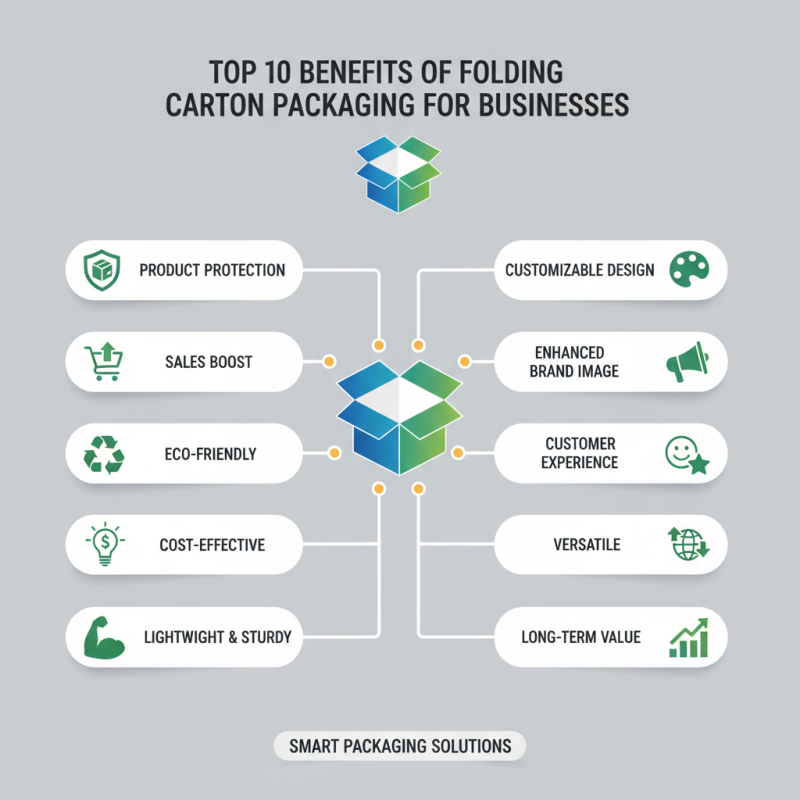
This chart illustrates the various benefits of folding carton packaging, highlighting factors such as cost-effectiveness, sustainability, and consumer preference that can significantly enhance business operations.
Folding carton packaging plays a crucial role in ensuring product safety and protection. It acts as a sturdy shield against external elements. For instance, a well-designed carton resists moisture and dust. This is especially vital for food and cosmetic products. The materials used are often lightweight yet robust, which helps in maintaining the integrity of the product inside.
However, not all folding cartons are created equal. Some may lack durability, leading to potential damage during shipping. A flimsy carton can expose products to contamination. It's important to choose high-quality materials that offer better protection. Additionally, the design should include features like tamper-evidence and secure closures. These details can boost consumer trust and ensure safety.
On the other hand, businesses may overlook the environmental impact. While folding cartons are recyclable, not all customers understand this. Educating consumers on recycling best practices could enhance brand image. It's a balance between attractive packaging and sustainable practices. Keeping safety in mind, businesses must also reflect on how their choices affect the planet.
Folding cartons are increasingly popular among various industries. Their flexibility allows for intricate designs that cater to different products. Businesses can easily customize these cartons for various shapes and sizes. This adaptability not only enhances branding but also ensures product safety during transit.
Research by the Paper and Paperboard Packaging Environmental Council indicates that over 80% of consumer products use folding cartons. This high usage highlights their importance. Many companies appreciate the eco-friendliness of folding cartons, as they are often recyclable and made from renewable resources. However, not all businesses leverage this aspect. Some may overlook the potential for sustainability in their packaging choices.
Tips: When designing folding cartons, consider the ergonomic aspect. Easy-to-open packaging often leads to better customer satisfaction. Also, test different materials for durability. Weak cartons can lead to damaged products.
Another essential detail is using digital printing. This technology allows for shorter runs and faster turnaround times. Businesses should explore this option to stay competitive. Yet, some might hesitate due to perceived costs. It’s crucial to weigh these costs against the benefits of high-quality packaging.