What are the Benefits of Using Brown Paper in Packaging?
In recent years, the packaging industry has embraced sustainable materials, with Brown Paper becoming a popular choice. According to Dr. Emily Carter, a packaging expert at EcoPack Solutions, “Brown paper not only reduces environmental impact but also enhances brand image.” Many companies are now seeking eco-friendly options to appeal to conscious consumers.
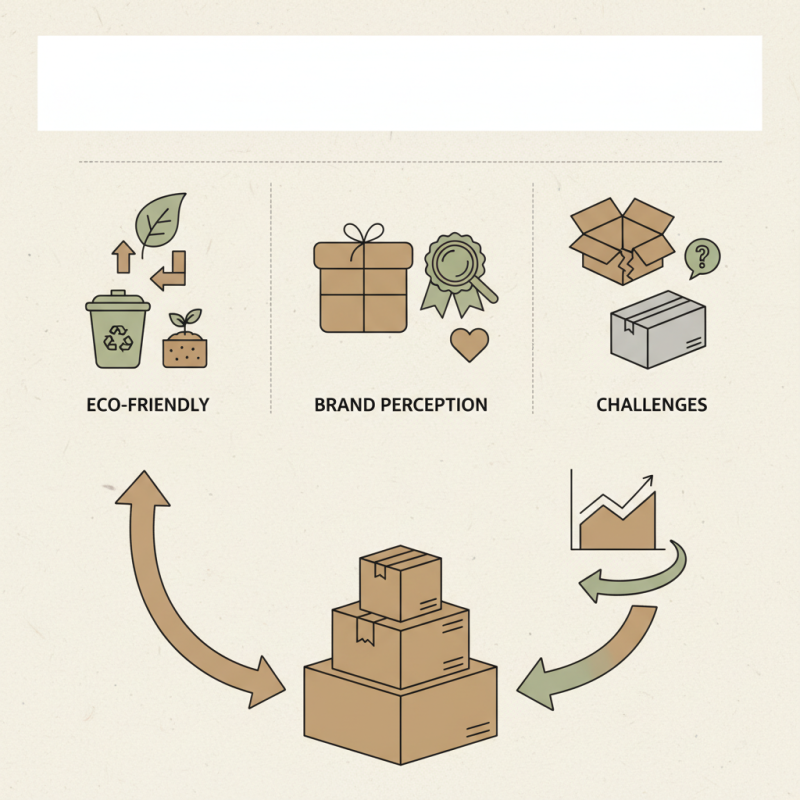
Brown paper offers several benefits. It is biodegradable and recyclable, making it an eco-friendly alternative to plastic. Additionally, its natural appearance enhances product presentation and can resonate with customers' values. Many brands appreciate how brown paper can convey a sense of authenticity and craftsmanship that resonates deeply with consumers.
However, there are challenges. Some businesses worry about the durability of brown paper compared to plastic. Others find it less visually appealing for high-end products. These considerations lead brands to reflect on their packaging choices. Ultimately, the benefits of brown paper often outweigh its limitations for companies committed to sustainability and customer connection.
Benefits of Brown Paper in Sustainable Packaging Solutions
Brown paper is becoming increasingly important in sustainable packaging solutions. It is made from renewable resources and is fully recyclable. This factor alone positions it as an environmentally friendly alternative to plastic. Using brown paper reduces reliance on synthetic materials, contributing to a decrease in waste. Additionally, the production of brown paper typically requires less energy compared to its plastic counterparts.
Moreover, brown paper is biodegradable. When it decomposes, it does not leave harmful residues. This enhances its role in sustainable practices. Companies opting for brown paper demonstrate their commitment to the environment, promoting brand loyalty. However, one must consider sourcing practices. Not all brown paper is created equal; some may come from unsustainable sources. It's essential to research where the material originates.
Using brown paper can also create unique packaging designs. Its natural texture offers a rustic appeal that can attract consumers. However, this can lead to inconsistent quality. Some users may find variations in thickness and durability across different batches. Overall, while brown paper presents numerous benefits, it requires careful consideration in sourcing and application for optimal sustainability.
Cost-Effectiveness of Brown Paper in Commercial Use
Brown paper has gained traction in commercial packaging due to its cost-effectiveness. It is often more affordable than plastic and specialized packaging solutions. Small businesses and startups, in particular, benefit from using brown paper. It reduces expenses without sacrificing quality. By choosing brown paper, companies can remain within budget while meeting their packaging needs.
Additionally, the durability of brown paper contributes to its cost-effectiveness. It holds up well against wear and tear during shipping. This reliability minimizes losses and returns. However, some businesses still hesitate to fully embrace this packaging option. They question whether brown paper will adequately protect their products. This concern often leads to a reliance on more expensive alternatives.
Sustainability also plays a part in the conversation. While brown paper is recyclable and biodegradable, some companies struggle to balance eco-friendliness and cost. It raises an important question about environmental impact versus lower expenses. Those in commercial sectors must reflect on their packaging choices. The interplay of cost, reliability, and sustainability remains complex.
Versatility of Brown Paper for Various Packaging Needs
Brown paper has gained popularity for its versatility in packaging. This material is quite adaptable, serving various purposes in different industries. From shipping products to crafting unique gift wraps, brown paper fits the bill. Its earthy tone adds a rustic charm, appealing to eco-conscious consumers.
In retail, Brown Paper Bags are often preferred for their sturdiness. They hold weight well and prevent tearing during use. For smaller items, brown paper wraps are an excellent choice. They provide ample protection and maintain a professional appearance. Additionally, businesses can easily customize them. This allows companies to express their brand identity without compromising sustainability.
While brown paper is highly functional, it is not without drawbacks. It may not provide the same moisture barrier as plastic. This could be a concern for certain products. Furthermore, some consumers may still associate it with less premium packaging. To address these issues, brands must communicate the benefits clearly. Showing commitment to sustainability can turn potential negatives into positives.
Environmental Impact of Brown Paper Compared to Plastic
The use of brown paper in packaging is gaining traction due to its lower environmental impact compared to plastic. According to a report from the Paper and Paperboard Packaging Environmental Council, producing paper materials emits 50% less greenhouse gases than plastic. This statistic highlights the urgent need for sustainable packaging solutions.
Brown paper is biodegradable and compostable. It breaks down in natural environments, unlike plastic, which can take hundreds of years. The U.S. Environmental Protection Agency estimates that only 9% of plastic waste is recycled. The rest contributes significantly to landfills and oceans. Additionally, paper products have a recycling rate of 66.8%, making them a more reliable choice in waste management.
However, challenges do exist. The production of paper contributes to deforestation, which can harm ecosystems. Balancing the need for materials with environmental protection is crucial. Brown paper, while more sustainable than plastic, must be sourced responsibly. Forests should be managed sustainably to ensure a renewable supply. This ongoing dialogue on sustainable practices is important for future generations.
Environmental Impact of Brown Paper Compared to Plastic
Consumer Preferences for Eco-Friendly Packaging Options
Consumer preferences are shifting significantly towards eco-friendly packaging options. Research indicates that 72% of consumers consider sustainable packaging techniques when making purchases. This trend underscores the growing importance of environmentally responsible practices in the packaging industry. Brown paper, often viewed as a humble material, has emerged as a favored choice for eco-conscious brands aiming to reduce their environmental impact.
One key advantage of brown paper is its biodegradability. Unlike plastic, which can take hundreds of years to decompose, brown paper breaks down naturally in a matter of months. Furthermore, studies show that 68% of consumers are willing to pay more for products packaged in sustainable materials. This willingness reflects a deeper commitment to environmental sustainability. Many consumers actively seek brands that prioritize eco-friendly practices, creating a direct link between packaging choices and purchasing decisions.
Despite these positive trends, challenges remain. Not all brown paper options are created equal. Some may still use harmful dyes or treatments, affecting overall sustainability. The industry must continue to innovate, ensuring that materials not only appear eco-friendly but also deliver genuine environmental benefits. Consumer education plays a critical role here, as misinformation can lead to skepticism regarding sustainable practices. As the industry evolves, ongoing dialogue and transparency will be essential to build trust and drive meaningful change.