Folding cartons have become a staple in the packaging industry due to their versatility and efficiency. According to a 2022 Smithers report, the global folding carton market is projected to grow by 3.3% annually, driven by demand in the food and beverage segments. This growth reflects a consumer preference for eco-friendly and convenient packaging solutions.
Folding cartons offer numerous benefits, including their lightweight nature, which reduces shipping costs. Their ability to be customized provides brands with distinctive aesthetics that attract consumers. However, not all folding cartons are created equal. The quality of materials used can vary significantly, and it is essential for companies to prioritize durability.
Additionally, while folding cartons can be recyclable, many consumers remain unaware of proper disposal methods. This emphasizes the need for brands to educate their customers about sustainability. Overall, folding cartons present a compelling option for businesses, but there are areas for improvement that require careful consideration.

Folding cartons are increasingly popular in the packaging industry. They offer significant benefits in reducing waste. Their design minimizes materials needed for production. This efficiency helps lower the carbon footprint associated with packaging.
One key benefit is the ease of recycling. Most folding cartons are made from paperboard, a highly recyclable material. This characteristic encourages consumers to recycle. However, not all consumers understand the importance of proper recycling practices. Awareness is essential to maximize the recycling potential of folding cartons.
Tips for consumers: Always check local recycling guidelines. Ensure the cartons are clean and free from food residue. Collaborating with brands that prioritize sustainable packaging can also amplify positive impacts. Additionally, consider using folding cartons for storage at home. They’re lightweight and versatile, reducing the need for plastic containers. Reflecting on our purchasing choices can lead to more sustainable habits.
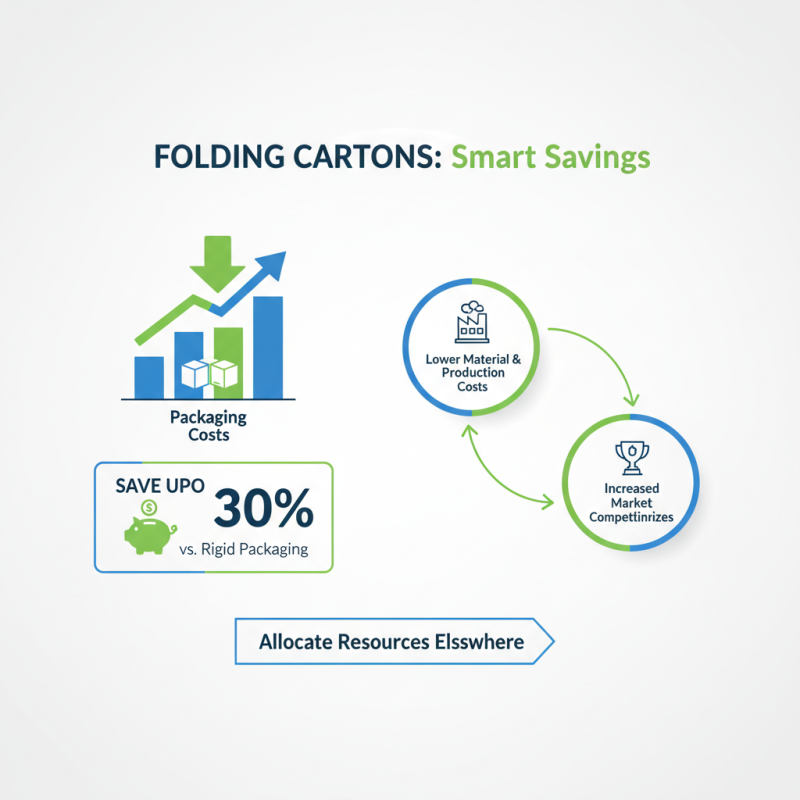
Folding cartons are increasingly recognized for their cost-effectiveness. A recent industry report noted that they can reduce packaging costs by up to 30% compared to rigid packaging solutions. This significant saving allows companies to allocate resources elsewhere. With lower material and production costs, brands can enhance their market competitiveness.
Moreover, folding cartons require less storage space. When flattened, they take up to 90% less space compared to rigid boxes. This feature contributes to reduced shipping costs and more efficient inventory management. As a result, businesses can respond faster to market demands while minimizing overhead.
However, transitioning to folding cartons isn’t without challenges. Some companies may find the initial adjustments tricky. There can be a learning curve in terms of design and production processes. It's crucial to assess if the benefits outweigh the possible disruptions. In some cases, the perfect choice might still feel complicated. But the potential savings in both time and money often prove worthwhile.
Folding cartons have transformed the world of packaging. Their design plays a vital role in attracting consumers. A well-crafted folding carton can captivate attention on crowded shelves. It often features vibrant colors, unique shapes, and clever graphics. These elements make products stand out. But it's crucial to strike the right balance between aesthetics and functionality.
The appeal of folding cartons goes beyond looks. They are lightweight and easy to handle. This convenience enhances the shopping experience. Consumers appreciate packaging that is easier to carry. Sustainable materials can also be used, resonating with eco-conscious shoppers. Yet, some designs may compromise structural integrity. A carton that looks good but fails to protect its contents warrants reflection.
Folding cartons invite engagement. Interactive elements like QR codes can connect consumers to brands. This adds value to their purchase. However, not every design facilitates this interaction effectively. Sometimes, packaging can overwhelm or confuse potential buyers. Finding the sweet spot between complexity and clarity is essential. Ultimately, folding cartons serve not only as a container but as a key part of the brand story.
| Benefit | Description | Impact on Consumers |
|---|---|---|
| Sustainability | Made from recyclable materials and easily recyclable after use. | Appeals to environmentally conscious consumers. |
| Cost-Effectiveness | Lower production and material costs compared to rigid packaging. | Attractive pricing can lead to increased consumer purchases. |
| Customizability | Easily customizable shapes and designs to fit branding needs. | Enhances brand recognition and consumer connection. |
| Lightweight | Lightweight nature reduces shipping costs and carbon footprint. | Saves money and appeals to eco-friendly consumers. |
| Shelf Appeal | Vibrant graphics and unique designs attract consumer attention. | Increases likelihood of purchase in retail environments. |
| Protection | Provides adequate protection for contents during handling and transport. | Boosts consumer confidence in product quality. |
| Easy Storage | Folding design allows for efficient storage and reduced space usage. | Facilitates easier inventory management for retailers. |
| Consumer Engagement | Interactive designs can create a memorable unboxing experience. | Builds a stronger emotional connection with consumers. |
| Versatility | Suitable for a wide range of products across various industries. | Enhances marketability of multiple product lines. |
| Safety | Non-toxic materials ensure safety for food and consumer products. | Increases consumer trust in product safety and quality. |
Folding cartons excel in versatility across various industries. They are suitable for food, cosmetics, and electronics. Their adaptable design allows brands to create unique packaging that stands out. This capability is essential in competitive markets.
Tips for effective folding carton use: Ensure the design aligns with your brand identity. Select materials that protect and appeal to customers. Consider eco-friendly options to enhance sustainability.
The customization of folding cartons can elevate product appeal. Bright colors and intricate designs capture consumer attention. However, choosing the wrong dimensions can lead to waste. It's crucial to balance aesthetics with functionality. Test different prototypes to refine your design before mass production.
Folding cartons' lightweight nature offers shipping advantages. They reduce transportation costs, helping brands save money. On the flip side, fragile designs may compromise product safety. Rigorous testing is essential to ensure durability. Strive for the perfect balance between appearance and protection.
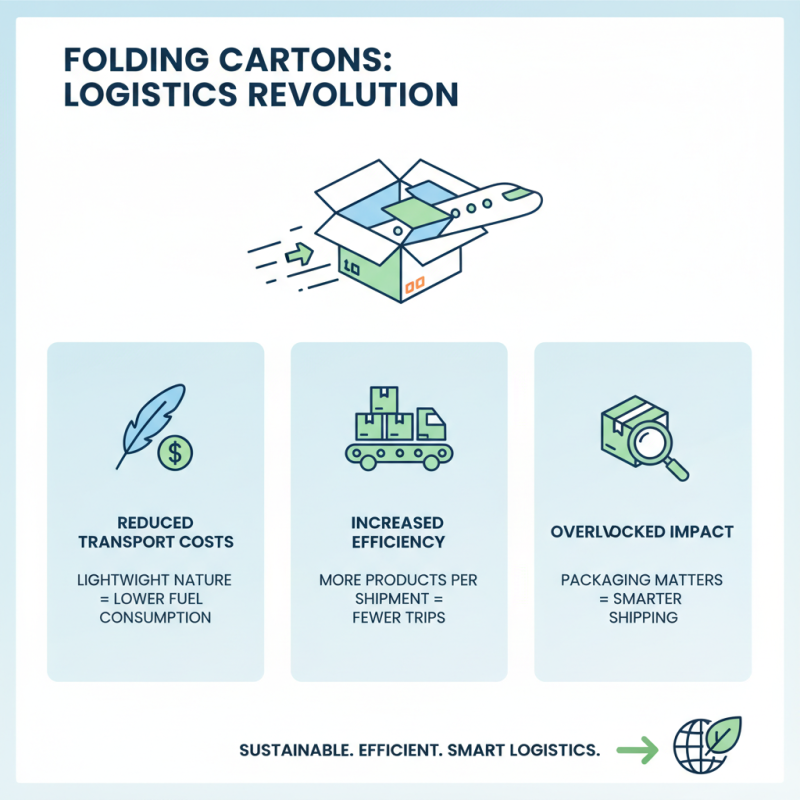
Folding cartons are revolutionizing logistics processes. Their lightweight nature significantly reduces transportation costs. Companies often overlook the impact of packaging on shipping efficiency. A lighter package means more products can fit in each shipment. This translates to fewer trips and lower fuel consumption.
Additionally, folding cartons can be easily stored. They arrive flat, saving valuable warehouse space. Efficient storage leads to better inventory management. However, not all businesses take the time to optimize their packaging strategy. Sometimes, the focus shifts solely to product quality, neglecting how packaging affects logistics.
With efficient handling, folding cartons also enhance the supply chain. Workers find them easier to stack and transport. This can lead to fewer injuries and faster packing times. Yet, many companies might struggle with the switch to more efficient packaging. Transitioning can be complex and may require initial investments. Embracing these changes fully could yield substantial long-term benefits.