In the rapidly evolving landscape of global trade, the importance of effective carton packaging solutions cannot be overstated. According to Dr. Emily Chen, a leading expert in sustainable packaging, “Carton packaging is not just about protection; it’s about delivering an experience.” This highlights the dual role of carton packaging in safeguarding products while enhancing consumer engagement.
Today, buyers are looking for innovative solutions that align with sustainability and cost-effectiveness. The 2026 best carton packaging solutions will not only meet these demands but also adapt to changing consumer preferences and environmental standards. Understanding the nuances of carton packaging can lead to smarter purchasing decisions and better brand value.
Yet, navigating this complex industry can be tricky. Many companies struggle to find the balance between functionality and aesthetics in their carton packaging. With the right insights and industry knowledge, global buyers can transform their packaging strategies for greater impact. This journey is not without its challenges, but the rewards of well-executed carton packaging are undeniable.
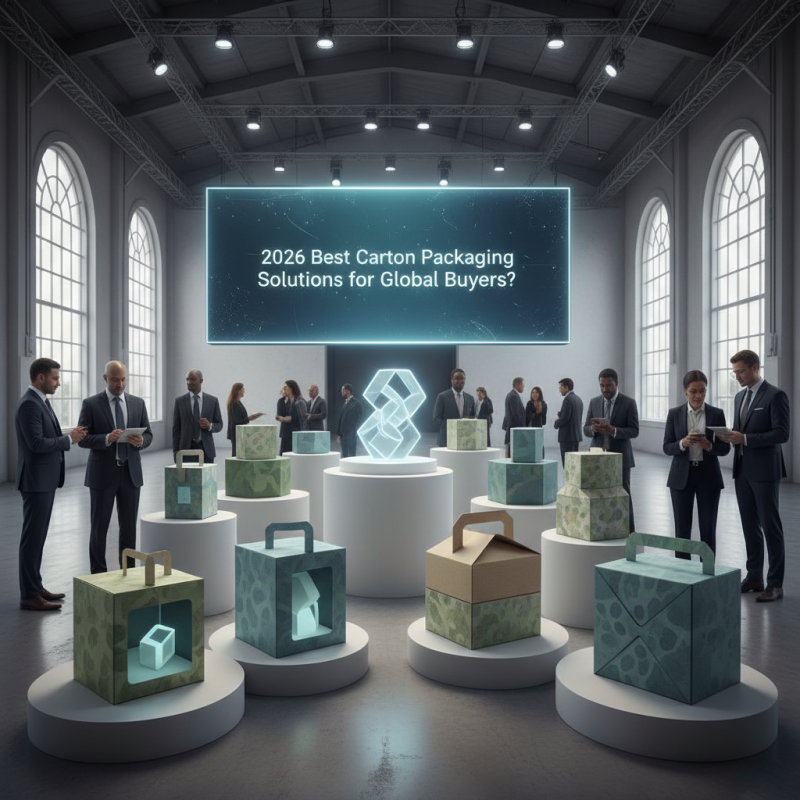
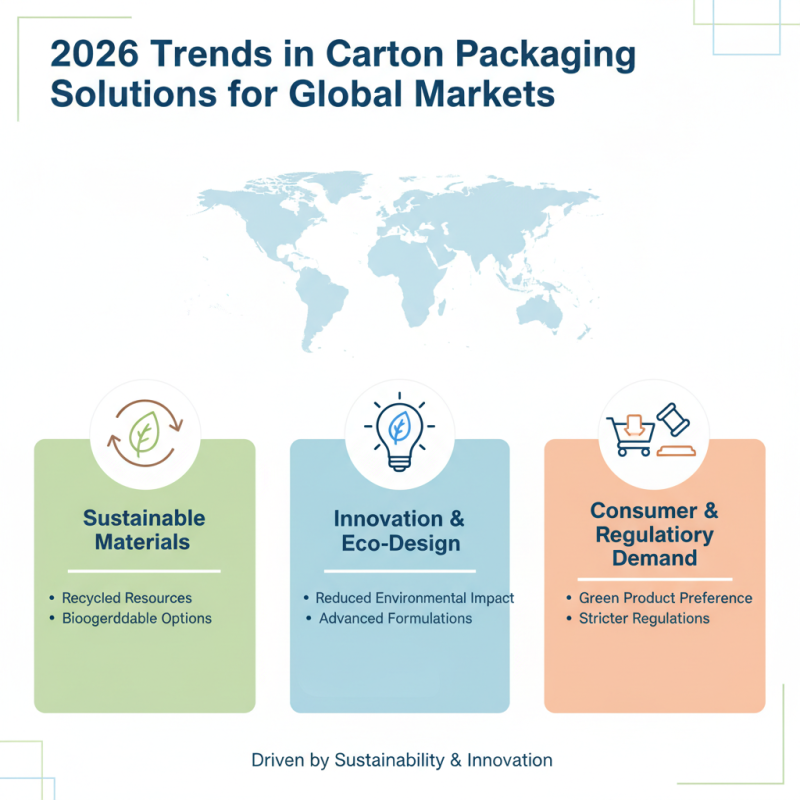
The carton packaging industry is evolving rapidly, driven by sustainability and innovation. In 2026, the focus is on eco-friendly materials that reduce environmental impact. Buyers are increasingly seeking solutions made from recycled or biodegradable resources. This shift not only meets regulatory demands but also caters to consumer preferences for green products.
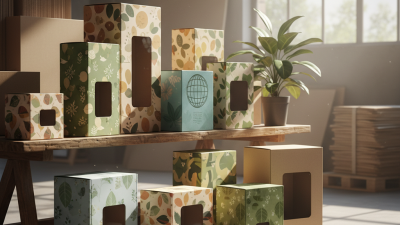
Customization is another significant trend. Businesses now prioritize packaging that reflects their brand's identity. Creative designs can capture consumer attention and enhance market appeal. However, achieving this requires a balance between aesthetics and functionality. Packaging must protect products during transit while also being visually engaging.
Technological advancements are transforming carton packaging. Automation and digital printing techniques streamline production processes, reducing lead times. Companies face challenges in integrating these technologies effectively. They must navigate costs and training needs for staff. Embracing change can be daunting, but it's essential for staying competitive in a global market.
The demand for sustainable carton packaging is rising steadily. Consumers are more conscious about the environment. They prefer brands that prioritize eco-friendly practices. This shift is essential for companies aiming to stay relevant in 2026.
Several key factors drive this trend. First, stricter regulations on plastic use are prompting companies to seek alternatives. Carton packaging presents a renewable option that resonates with eco-conscious shoppers. Also, advancements in recycling technologies enhance the appeal of carton options. Easy-to-recycle materials are now favored more than ever.
However, some challenges linger. Not all carton designs are easy to recycle. Companies must refine their approaches to ensure sustainability. Sustainability requires commitment and innovation. It is a continuous journey rather than a destination. Building consumer trust takes time and effort. Brands must genuinely invest in sustainable practices to meet the growing expectations.
Innovations in carton design are transforming how products are packaged. These advancements blend functionality with aesthetics, creating a better experience for consumers. Modern cartons are now more than mere boxes. They serve as marketing tools that capture attention on store shelves.
One notable trend is the use of eco-friendly materials. These alternatives not only reduce environmental impact but also resonate with consumers. Brands are now prioritizing sustainability. This approach can lead to higher consumer trust and loyalty. However, companies must balance cost and environmental benefits.
Tips for enhancing carton design include integrating unique shapes. Non-traditional forms can make products stand out. Experimenting with textures can also draw interest. Consider offering interactive designs. They can enhance consumer engagement dramatically. Evaluate feedback regularly. This allows for continuous improvements. Embracing innovation is key, yet do not overlook practical functionality. Every design should still protect the product effectively.
| Dimension | Description | Innovation Type | Sustainability | Target Market |
|---|---|---|---|---|
| Durability | Enhanced strength for better protection during shipping | Material Innovation | Recyclable materials used | E-commerce, Retail |
| Design Flexibility | Customizable dimensions and shapes | Design Innovation | Biodegradable options available | Food, Cosmetics |
| User-Friendliness | Easy to open and reseal features | Functional Innovation | Sustainable production practices | Electronics, Household goods |
| Aesthetic Appeal | Visually attractive designs for better shelf impact | Graphic Innovation | Eco-friendly ink and coating | Fashion, Beverage |
| Cost Efficiency | Reduced material usage leads to lower costs | Material Optimization | Sourcing from sustainable suppliers | Wholesale, Distribution |
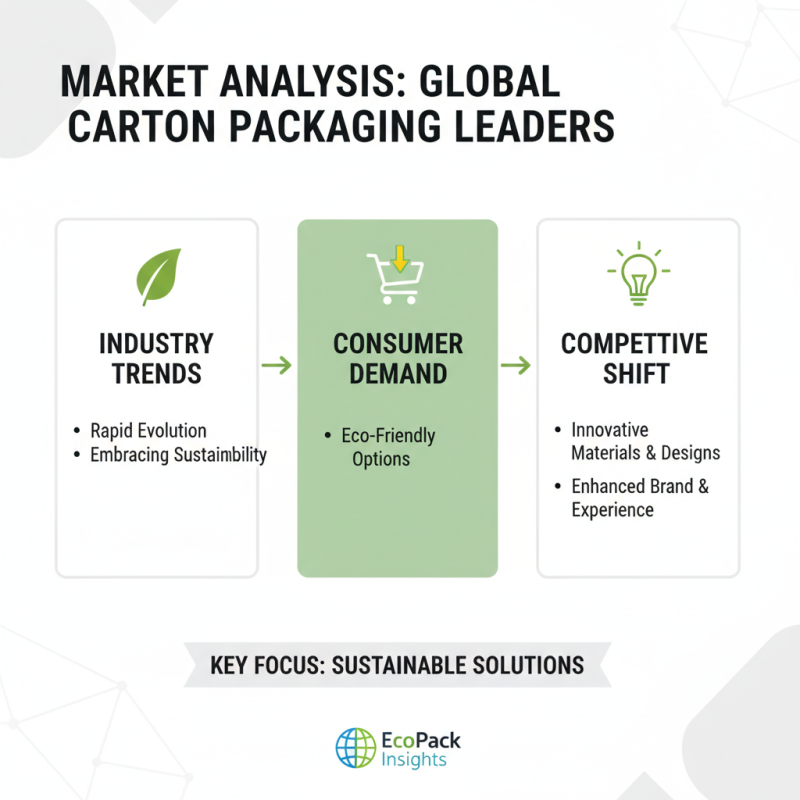
The global carton packaging industry is rapidly evolving. Many companies are embracing sustainability. Consumers demand eco-friendly options. This shift shapes the competitive landscape. Companies focus on innovative materials and designs. Such solutions enhance brand identity and customer experience.
Market leaders understand the significance of quality. They invest in advanced technologies. Automated production lines improve efficiency and accuracy. However, challenges still exist. Some businesses struggle to adopt these technologies fully. Others may not meet rising environmental standards. These factors can hinder progress. Understanding these dynamics is crucial for buyers.
The future of carton packaging is promising. Emerging markets are exploring new solutions. Collaboration between suppliers and manufacturers is essential. Sharing knowledge can drive innovation. However, companies must remain vigilant. Staying ahead means addressing industry trends proactively. Risk management and adaptability are vital. With the right approach, businesses can thrive in this competitive environment.
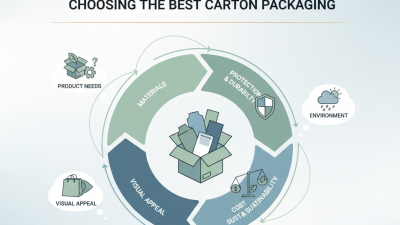
Carton packaging plays a vital role in numerous industries. It not only protects products but also impacts overall costs. Businesses seek cost-effective solutions tailored to their specific needs. The choice of carton material, design, and size can significantly influence pricing. For instance, simple corrugated boxes may reduce shipping costs, while custom designs may add aesthetic appeal. However, this can lead to higher production expenses.
In industries like food and cosmetics, packaging must meet strict safety standards. While premium materials enhance quality, they can strain budgets. Yet, buyers must carefully consider long-term benefits. Robust packaging can prevent product damage and reduce returns. This ultimately saves money and improves customer satisfaction. Some businesses struggle to find the right balance. A focus solely on upfront costs can undermine future savings.
As demand for sustainability rises, eco-friendly packaging is gaining traction. Companies face a dilemma: go green or remain cost-competitive. Sustainable materials might initially seem pricey but can enhance brand image. Consumers increasingly favor environmentally responsible brands. This shift in mindset may redefine cost-effectiveness in the long run. However, navigating these choices requires careful consideration and industry insight.