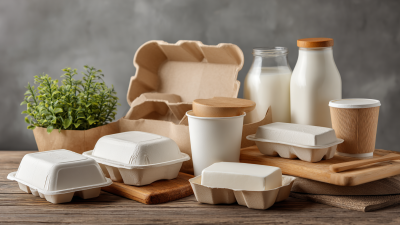
In the world of global trade, carton packaging plays a pivotal role. With the rise of e-commerce, businesses must select the right types of carton packaging to meet diverse buyer needs. This packaging not only safeguards products but also enhances branding and customer trust.
Different materials and designs define effective carton packaging. Buyers must consider durability, sustainability, and aesthetic appeal. The right packaging can significantly reduce shipping costs and protect items during transit. However, not all carton options may align with brand values.
Understanding these nuances is essential. Buyers often grapple with choices that may not function as expected. Reflecting on customer feedback can lead to better decisions. Ultimately, selecting the best carton packaging is a balance of practicality and market demands.

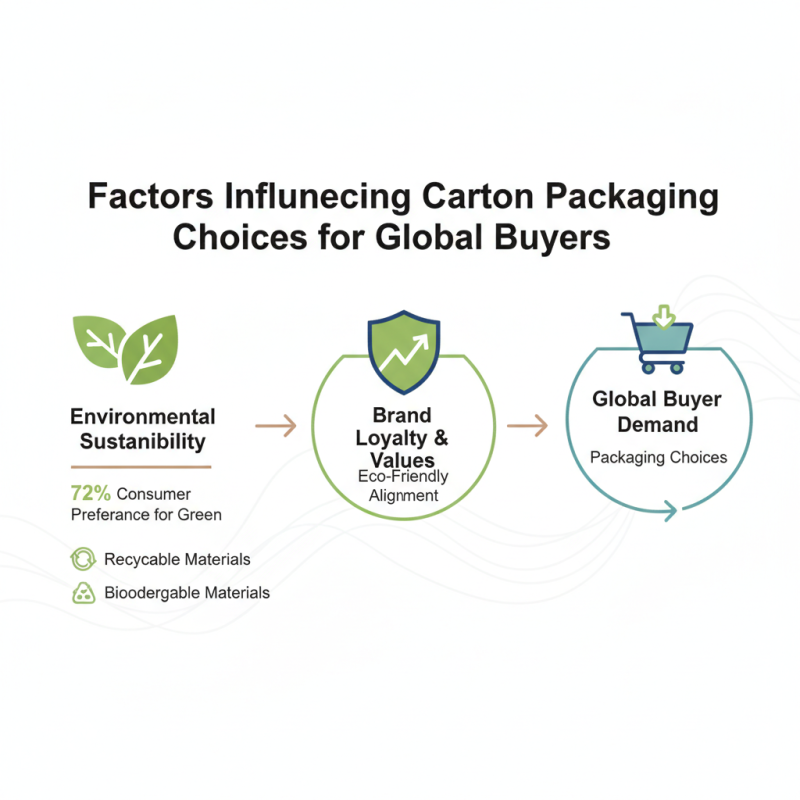
When selecting carton packaging, global buyers face multiple factors that shape their choices. Environmental sustainability is now paramount, as 72% of consumers prefer brands with green practices. This triggers demand for recyclable and biodegradable materials. Packaging that aligns with eco-friendly values can enhance brand loyalty.
Cost-effectiveness is another critical factor. According to the Smithers Pira report, companies can save up to 25% in logistics by optimizing carton sizes. Buyers often seek lightweight packaging solutions, reducing shipping costs and decreasing their carbon footprint. Moreover, the durability of the packaging plays a key role. Packaging that withstands stress during transportation protects products and reduces damage costs.
Lastly, regulatory compliance cannot be overlooked. Different regions impose varying standards for packaging materials. Buyers must ensure that their carton choices meet these regulations to avoid costly penalties. This complexity often leads to a need for expert consultation, as navigating compliance can be challenging. Balancing these factors often requires reflection and adaptation, making it essential for buyers to stay informed and agile.
When choosing carton packaging, material types play a crucial role in global trade. Among the most common materials are corrugated cardboard, paperboard, and chipboard.
Corrugated cardboard is widely recognized for its strength and durability. According to industry reports, this material accounts for over 70% of the carton packaging market. Its ability to withstand pressure makes it ideal for shipping.
Paperboard, though lighter, offers versatility. Often used for retail packaging, it is easy to print on and recycle. Reports highlight that paperboard has surged in popularity due to eco-friendly trends. Meanwhile, chipboard is cost-effective, often used for cereal boxes and other lightweight retail packaging. Despite its lower strength, it meets various packaging needs.
The choice of materials significantly affects supply chain efficiency. Companies need to balance cost, sustainability, and protection. Some buyers may overlook the recycling aspect, leading to waste. Furthermore, sourcing challenges may arise in regions with limited access to raw materials. Evaluating these factors can help businesses improve their packaging strategy and positively impact the environment.
Sustainability is a key factor in carton packaging decisions today. According to recent industry reports, 72% of consumers prefer brands that prioritize eco-friendly packaging options. This trend reflects a growing awareness of environmental issues. Carton materials, such as recycled paperboard, offer an effective solution. This type of packaging reduces waste and conserves resources.
The push for sustainable packaging isn't just consumer-driven. Companies face stricter regulations worldwide. A 2022 study noted that 50% of manufacturers are transitioning to biodegradable options. Challenges arise, though. Some businesses struggle to maintain cost-effectiveness while adopting greener materials. The balance between sustainability and affordability can be complex.
Innovations in carton design enhance sustainability too. For instance, lightweight materials save transportation costs and lower carbon footprints. However, these innovations sometimes compromise durability. The industry must navigate these trade-offs. Continued research and collaboration are essential. Balancing sustainability with performance remains a work in progress for many.
| Type of Carton | Sustainability Aspect | Recyclability | Cost-Effectiveness | Best Use Cases |
|---|---|---|---|---|
| Corrugated Cardboard | Made from recycled materials | Highly recyclable | Cost-effective for shipping | Shipping and storage |
| Folding Cartons | Minimal material usage | Easily recyclable | Affordable for smaller items | Consumer goods packaging |
| Eco-Friendly Cartons | Biodegradable materials | Compostable | Generally higher cost | Organic products |
| Multi-Depth Boxes | Reduced waste | Recyclable | Cost-effective for various sizes | Variable item packaging |
The global carton packaging industry is witnessing remarkable growth. According to recent market studies, the demand for efficient and sustainable packaging solutions is on the rise. This demand stems from various sectors, including food and beverage and electronics. The shift towards eco-friendly materials is reshaping the market landscape. Innovative designs are being embraced to enhance shelf appeal and functionality.
Sustainability plays a crucial role in this expansion. Many companies are adopting recyclable or biodegradable materials. However, this commitment may need further reflection. While sustainability is critical, not all consumers prioritize it. Some still value durability and cost over environmental impact. Balancing these aspects remains a challenge for manufacturers.
Statistics highlight a substantial increase in carton packaging demand. Emerging economies show a noticeable surge, potentially outpacing developed markets. Yet, market fluctuations can pose risks. Changes in consumer preferences and global supply chain disruptions require agile responses. The carton packaging industry must adapt to stay relevant. With these dynamics, further exploration of customer needs and environmental responsibilities is essential.
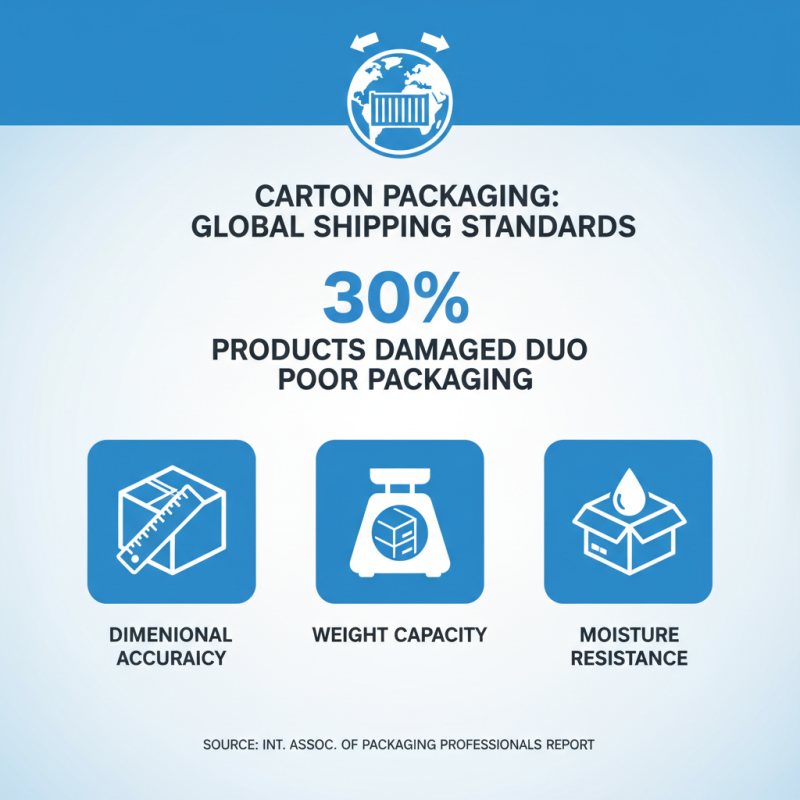
When it comes to carton packaging for international shipping, quality standards play a crucial role. According to a recent report by the International Association of Packaging Professionals, over 30% of products are damaged in transit due to poor packaging. This statistic highlights the importance of adhering to quality requirements. Dimensional accuracy, weight capacity, and moisture resistance are some of the essential characteristics that packaging must possess.
Ensuring that carton packaging meets international standards, such as ISO 9001, can enhance reliability. Studies indicate that businesses utilizing standardized packaging see a 25% reduction in shipping-related damages. However, not all companies fully comply with these regulations. Many may prioritize cost over quality, leading to increased risk during transit.
Sourcing from reputable manufacturers can mitigate some risks. The Global Packaging Alliance reports that approximately 40% of global buyers prioritize sustainability alongside packaging quality. Yet, the complexity of global sourcing can sometimes overlook these critical standards. This inconsistency calls for a more reflective approach in forming partnerships and choosing the right packaging solutions in today's competitive marketplace.