
In the dynamic world of hydration solutions, Custom Bottles have emerged as a popular choice. As sustainability and personalization gain momentum, these unique containers meet a variety of individual needs. Expert Sarah Johnson, a leading figure in the custom bottle industry, emphasizes, "Custom bottles reflect personal style while promoting eco-friendliness."
Choosing the right custom bottle can be daunting. With numerous options available, consumers often feel overwhelmed. Focus on what suits your lifestyle best. Consider factors like material, size, and design. Reflecting on these elements can lead to a more satisfactory choice.
It's crucial to recognize that not all custom bottles are created equal. Some may fall short in functionality or durability. Researching brands and reading user reviews can unveil valuable insights. Don’t rush this decision, as a personalized bottle serves not just a practical purpose but also represents your unique identity.
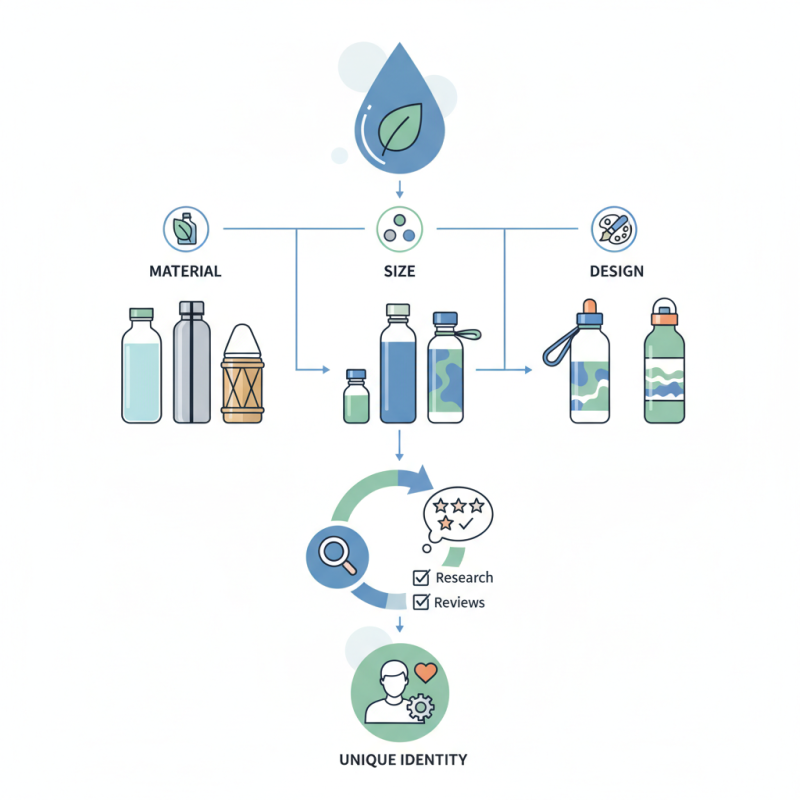
When choosing custom bottles for personal use, several factors are vital to ensure satisfaction. First, consider the material. Options include stainless steel, glass, and BPA-free plastic. Each has benefits. For example, stainless steel offers durability and insulation. Glass is environmentally friendly but can break easily. Reports indicate that 70% of consumers prefer reusable materials for sustainability.
Next, think about size and capacity. Custom bottles come in various sizes, typically ranging from 12 to 40 ounces. Choose one that fits your lifestyle. A study shows that users prefer bottles that can hold at least 24 ounces for daily hydration. However, larger sizes may be cumbersome for travel. Assess your needs carefully.
Customization options also play a crucial role. Consider whether you want a design, logo, or even a color. Customization enhances personal expression. Research indicates that 65% of buyers appreciate unique designs. However, not all customization is equal. Some methods may wear off over time. Reflect on how often you will use the bottle to decide on the level of customization needed.
When selecting custom bottles, the material heavily influences both durability and safety. Common bottle materials include glass, stainless steel, and various plastics. Each option has distinct characteristics. Glass is often favored for its non-reactive nature but can break easily. Stainless steel is durable and resistant to corrosion, making it ideal for long-term use. However, it can be heavier and more expensive.
Plastics, on the other hand, are versatile and lightweight. They come in various grades, affecting their durability and safety. BPA-free plastics are crucial for health, as certain chemicals can leach into beverages. Yet, not all plastics are equal. Some degrade faster, especially when exposed to heat or sunlight. Testing batch quality is vital to ensure consistency and safety.
Many people overlook the impact of materials on the bottle’s function. A stylish bottle may not be practical if it doesn’t withstand daily wear and tear. Users should consider their specific needs, balancing aesthetics and functionality. Reflecting on your choices can lead to better satisfaction in the long run.
| Material Type | Durability Rating | Safety Rating | Best Uses | Weight (g) |
|---|---|---|---|---|
| Glass | High | Non-toxic | Hot beverages, Premium drinks | 250 |
| Stainless Steel | Very High | Non-toxic | Outdoor activities, Sports | 300 |
| BPA-free Plastic | Medium | Non-toxic | Everyday use, Kids | 150 |
| Aluminum | High | Non-toxic with liner | Travel, Lightweight use | 270 |
| Tritan | High | Non-toxic | Recreational, Fight Breakage | 160 |
When selecting custom bottles, consider the available customization options. Printing methods play a crucial role. Digital printing allows for intricate designs. Screen printing, although simpler, offers durability. These methods cater to different branding needs.
Colors significantly impact consumer perception. Bright colors attract attention, while muted tones convey sophistication. A study indicated that 85% of consumers base their purchasing decisions on color. Choose shades that align with your brand identity. Shapes also matter. Unique bottle shapes can enhance shelf presence. Research shows that 70% of purchases are made on impulse. A distinctive bottle design might sway shoppers.
Reflecting on customization can lead to better decisions. Some brands overlook the importance of functionality in the design process. A beautiful bottle might not serve its purpose well. Balancing aesthetics and practicality is key for successful branding. Investing in high-quality materials ensures longevity and customer satisfaction.
Choosing eco-friendly bottles means considering materials and their impact. Many available options include stainless steel, glass, and recycled plastics. Each type has its pros and cons. For example, glass bottles are recyclable and do not leach harmful chemicals. However, they can be fragile and heavier to carry.
Stainless steel is durable and resistant to corrosion. It keeps beverages hot or cold for longer periods. On the downside, they can be more expensive. Recycled plastic bottles are lightweight and available in various designs. Yet, they often have a shorter lifespan and may still contribute to environmental waste.
Reflecting on your choices is essential. You may be tempted by fashionable designs or low prices, but the environmental cost matters. Consider the whole life cycle of the bottle. Will it be recycled after use? How does its production affect the planet? These questions are vital for sustainable decision-making.
When considering custom bottles, budget plays a crucial role. Analyze your needs and quantity required. The more bottles you order, the lower the cost per unit. Of course, customization can add to this cost. Special features like unique shapes or textures often mean a higher price. It's essential to balance your desires with your financial plan.
Think about the materials too. Different materials, like glass or stainless steel, have varying prices. Glass can look elegant, but it is often more expensive. Stainless steel is durable and can be cost-effective. Don't forget to factor in shipping fees, as they can affect your total budget significantly. Every detail counts.
Sometimes, the cheapest option isn't the best. You might save money upfront but lose quality. This could disappoint your recipients or customers. So, be prepared to reflect on your choices. Consider not only the price but also the value each bottle brings to your brand. A well-made bottle can enhance your image and support sustainability.
This chart illustrates the cost per bottle based on different quantities ordered. As the quantity increases, the cost per bottle decreases, showcasing the cost-effectiveness of bulk ordering for custom bottles.