2026 Best Folding Carton Packaging Solutions for Global Buyers?
In the ever-evolving world of packaging, folding carton packaging stands out as a versatile solution for many industries. These cartons offer a blend of functionality and aesthetic appeal. As businesses strive for sustainability, folding cartons provide an eco-friendly alternative to plastic. They can be customized to reflect brand identity while meeting practical needs.
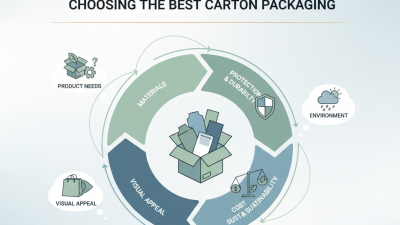
However, selecting the best folding carton packaging can be challenging. Global buyers face an array of options, each with unique features. Factors such as material quality, design complexity, and cost efficiency play a crucial role. It's vital to balance these elements to ensure effective supply chain management.
While many solutions exist, it’s essential to reflect on potential challenges. Not all suppliers can guarantee consistent quality or timely delivery. Buyers must vet their sources to avoid pitfalls in their packaging choices. Through careful consideration, companies can navigate the nuances of folding carton packaging, finding solutions that meet their needs effectively.

Overview of Folding Carton Packaging Industry Trends for 2026
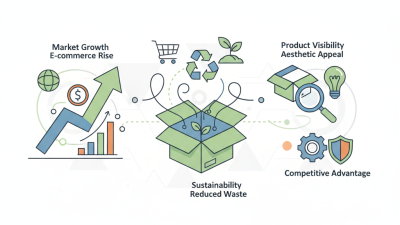
In 2026, the folding carton packaging industry is poised for significant growth. A report by Smithers projects a compound annual growth rate (CAGR) of 3.8% in the global folding carton market from 2021 to 2026. This growth is driven by rising demand in various sectors, including food and beverage, cosmetics, and pharmaceuticals. Sustainable practices are becoming increasingly crucial. Consumers and companies both favor materials that minimize environmental impact. Innovative designs are now a focus area, as brands seek to enhance product visibility.
Market trends show a shift towards digital printing technology. This change allows for more customization and shorter production runs. According to ResearchAndMarkets, digital printing in packaging is expected to grow by 20% annually until 2026. However, the transition poses challenges. Many converters remain hesitant due to high initial costs and technical complexities. There’s a need for ongoing education within the industry to address these issues and facilitate smoother transitions.
Sustainability remains a double-edged sword. While many manufacturers are investing heavily in eco-friendly materials, questions about the actual recycling processes linger. Industry standards vary significantly across regions, leading to inconsistent practices. Improving transparency and sharing best practices can help mitigate these challenges in an evolving market landscape. Companies that can adapt quickly to these trends may outpace competitors, positioning themselves as leaders in this dynamic environment.
Key Features and Innovations in Folding Carton Designs
The market for folding carton packaging is evolving. As companies adapt to consumer preferences, they seek innovative designs. Key features are reshaping the industry. For instance, sustainable materials are in demand. Reports suggest that 70% of consumers prefer eco-friendly packaging. This preference drives manufacturers to adopt recyclable and biodegradable options.
Recent trends highlight the use of digital printing. It allows for high-quality graphics and customization. More brands want to enhance shelf appeal. This approach can lead to a 30% increase in sales. However, integration costs can be a barrier. Companies must weigh the benefits against initial investments.
Minimalistic designs are also emerging. They focus on functionality while maintaining aesthetics. Simple, elegant packaging can improve user experience. Data shows that brands using minimal designs see 25% higher engagement. Yet, this trend can sometimes overlook cultural nuances in design. Considerations for diverse markets are crucial for success.
Sustainability Practices in Folding Carton Manufacturing
Sustainability in folding carton manufacturing has gained significant attention. The industry is increasingly adopting eco-friendly practices. According to a recent report by Smithers Pira, the global market for sustainable packaging is expected to reach $500 billion by 2026. This rise is driven by consumer demand and regulatory pressures.
Many manufacturers are exploring alternatives to traditional materials. Recycled paperboard is a popular choice. It reduces waste and conserves resources. The Recycling Partnership states that only about 65% of paper products in the U.S. are recycled. This statistic highlights the need for better systems. While progress exists, challenges remain. Not all regions have easy access to recycling facilities, impacting sustainability efforts.
Companies are also focusing on energy-efficient production processes. Using renewable energy sources is becoming more common. A study by the Environmental Protection Agency (EPA) reported that manufacturers using renewable energy reduced their carbon footprints by up to 30%. These initiatives showcase commitment but reveal gaps in energy transition practices. The market is moving towards sustainability, but consistency is necessary for long-term impact. The journey is complex and requires ongoing reflection and improvement.
Major Global Suppliers of Folding Carton Packaging Solutions
Folding carton packaging has become a critical component for many industries, providing an effective way to protect and display products. Major global suppliers focus on innovative materials, sustainability, and design flexibility. These factors play a significant role in selecting packaging solutions that meet various product needs.
When considering suppliers, assess their experience in the industry. Look for companies with a proven track record. Their expertise can indicate reliability and quality in their offerings, helping you avoid potential pitfalls. Additionally, prioritize suppliers who emphasize eco-friendly practices. The demand for sustainable packaging continues to grow, and aligning with environmentally conscious providers can enhance your brand's reputation.
Evaluating a supplier's design capabilities is crucial. They should offer customization options to match your brand's identity. A one-size-fits-all approach may not serve your business well. Investigate their portfolio and request samples before making a decision. This can help you gauge their ability to meet your needs effectively. Remember, effective communication with your supplier can lead to a more satisfying partnership. Reach out with questions and consider their responsiveness during your initial interactions.
2026 Best Folding Carton Packaging Solutions for Global Buyers
| Supplier Location |
Packaging Type |
Material Used |
Production Capacity (Units/Month) |
Certifications |
| North America |
Eco-friendly Cartons |
Recycled Paperboard |
500,000 |
FSC, ISO 9001 |
| Europe |
Luxury Packaging |
Kraft Paper |
300,000 |
Sustainable Forest Initiative |
| Asia |
Retail Packaging |
Cardboard |
1,000,000 |
ISO 14001 |
| Oceania |
Custom Designed Boxes |
Bamboo Fiber |
200,000 |
ISO 9001, SMETA |
| South America |
Food Safe Packaging |
Coated Paper |
350,000 |
BRC, ISO 22000 |
Consumer Preferences and Market Demand for Folding Carton Packaging
The demand for folding carton packaging has been rising steadily among consumers. This trend reflects a growing awareness of sustainability and eco-friendliness. Many buyers prefer packaging that is recyclable and reduces waste. Brands are responding by exploring innovative materials and designs that align with these consumer values. Customization is also becoming essential; unique shapes and sizes attract more attention on retail shelves.
Market research shows diverse preferences. Some consumers favor minimalistic designs, while others are drawn to vibrant colors and intricate patterns. The choice often depends on the product type. For example, food packaging may require a clean, simple look, whereas cosmetic products might benefit from artistic designs. It's important to understand these nuances.
Despite the clear preferences, challenges exist. Not all folding carton solutions meet sustainability standards, leading to confusion. Additionally, balancing cost and quality can be tough for manufacturers. The market demands affordability without sacrificing durability. Continuous improvement and feedback from buyers could guide better options in the future. Manufacturers must invest in research to create solutions that resonate with consumers while addressing environmental concerns.