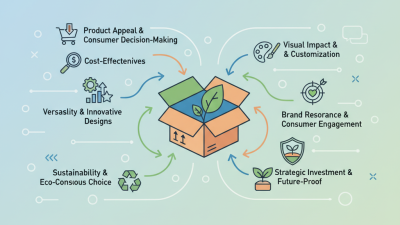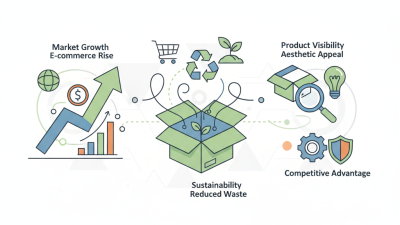
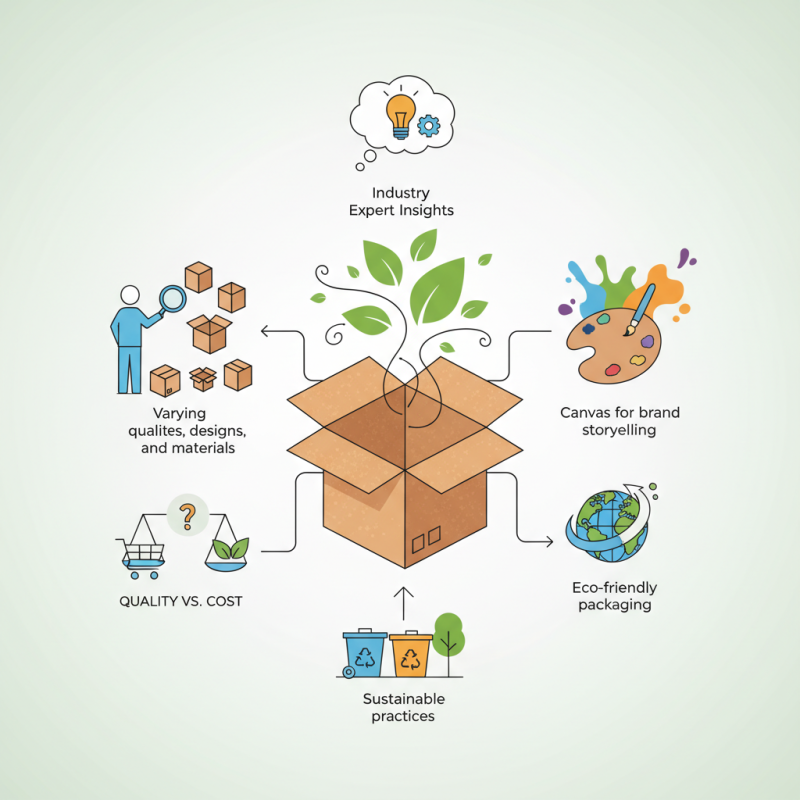
In the evolving landscape of packaging, folding cartons stand out for their versatility and environmental benefits. Industry expert John Smith, a leader in sustainable packaging solutions, emphasized, “Folding cartons are not just functional; they are a canvas for brand storytelling.” This sentiment captures the dual role of folding cartons as functional components and marketing tools.
As global demand for eco-friendly packaging grows, folding cartons continue to gain traction. Their ability to reduce waste and be produced from renewable materials places them at the forefront of sustainable practices. However, not all folding cartons are created equal. Buyers must navigate a marketplace filled with varying qualities, designs, and materials.
It's essential to reflect on the challenges within the folding cartons industry. Many brands might overlook the importance of quality while focusing solely on cost. This approach can lead to issues down the line. A balanced perspective is crucial to making informed choices. The right folding carton can enhance product appeal while aligning with sustainability goals.
Folding cartons play a vital role in the packaging industry. They serve multiple purposes, including protection, convenience, and branding. These cartons are designed to be lightweight yet sturdy. This balance ensures products remain safe during transit. Additionally, their foldable nature allows for efficient storage and transport, saving space and reducing costs.
The environmental impact of folding cartons is noteworthy. Made from recyclable materials, they contribute to sustainability efforts. As consumers become more eco-conscious, choosing folding cartons can enhance a brand’s image. However, the effectiveness of a packaging solution often hinges on design and usability. Poorly designed cartons may lead to product damage, affecting customer satisfaction.
Designers should prioritize functionality alongside aesthetics. Successful packages must be easy to open and reseal. Addressing these aspects can enhance user experience. Yet, there is always room for improvement in current designs. While many options exist, not all meet the expectations of modern consumers. This highlights the need for ongoing innovation in folding carton design.
| Material Type | Durability | Recyclability | Weight Capacity (lbs) | Cost per 1000 Units (USD) |
|---|---|---|---|---|
| Paperboard | High | Yes | 25 | $120 |
| Kraft | Medium | Yes | 30 | $100 |
| Corrugated | Very High | Yes | 50 | $150 |
| Foam | Medium | No | 20 | $200 |
| Recycled Materials | High | Yes | 35 | $130 |
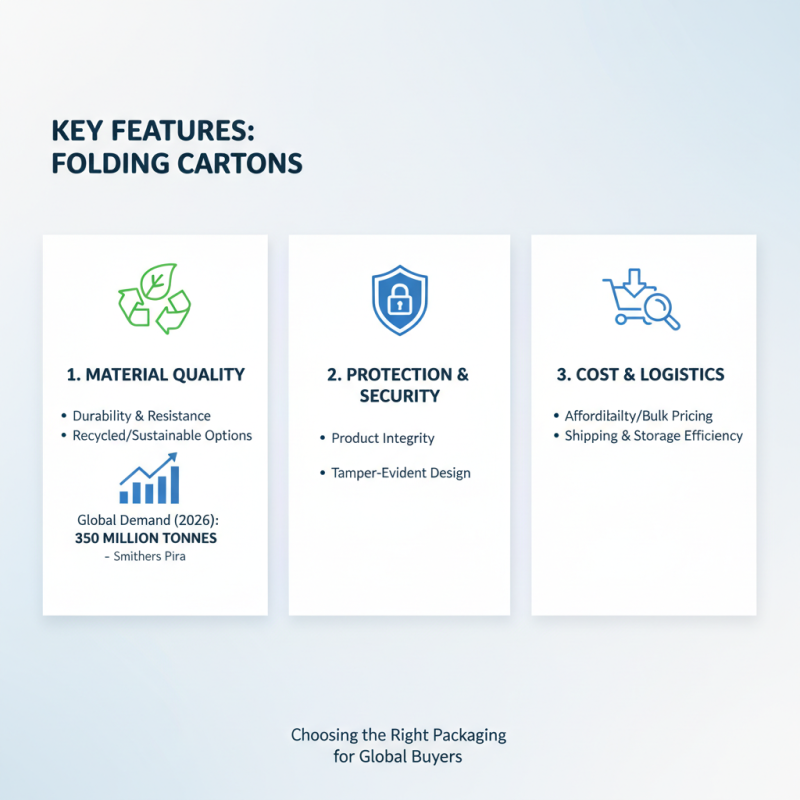
Choosing the right folding cartons can be challenging for global buyers. Key features play a critical role in this decision. Material quality is essential. According to a recent report by Smithers Pira, the global demand for cardboard packaging is expected to reach 350 million tonnes by 2026. This highlights the importance of selecting materials that offer durability and resistance. Opting for recycled materials can also enhance sustainability.
Size and design are equally important. Customization options affect both functionality and visual appeal. Think about the dimensions that best fit your products. The right design helps your brand stand out. A survey by MarketsandMarkets shows that 30% of consumers base their purchasing decisions on packaging aesthetics.
Tip: Always request samples before ordering in bulk. This allows you to assess the quality firsthand. Also, consider the printing options available. Some finishes can protect your product while enhancing its appearance. Reflect on what packaging flaws could affect your brand’s reputation. Addressing these concerns early can lead to better customer satisfaction and loyalty.
In the ever-evolving packaging industry, folding cartons play a significant role. These cartons are not only versatile but also eco-friendly. According to a 2023 report by Smithers Pira, the global folding carton market will exceed $200 billion by 2026. Factors driving this growth include increased demand for sustainable packaging solutions and advancements in printing technologies.
Leading manufacturers will dominate this market. Many emphasize innovation and sustainability. Some manufacturers are adopting recyclable materials, aligning with global sustainability goals. For instance, studies show that nearly 70% of consumers prefer eco-friendly packaging. However, challenges remain. Ensuring cost-effectiveness while maintaining quality is a recurring issue. This paradox often leads to trade-offs that can compromise product integrity.
Competitive analysis highlights a few key players who excel in this field. They focus on precision engineering and efficient production techniques. Yet, even industry leaders can falter. Failing to adapt to changing consumer preferences may hinder growth. Companies must remain vigilant and responsive. The future hinges on the balance between innovation and practicality.
The world of folding cartons is evolving. Innovative designs are revolutionizing packaging solutions. These advancements focus on sustainability and functionality. Designers are using environmentally friendly materials like recycled paper and biodegradable films. Such choices decrease environmental impact and appeal to eco-conscious consumers.
Creative structures enhance usability. Many cartons now incorporate easy-to-open features and secure closures. This improves the unboxing experience and keeps products safe. Some designs even allow for multi-functionality. They can be repurposed or reused, adding value for consumers. However, balancing aesthetics and practicality can be challenging.
Market demand often influences design trends. Many companies face pressure to differentiate their products. This can lead to over-complicated designs that hinder the user experience. The focus should remain on simplicity and effectiveness. Continuous feedback from users can guide future innovations, ensuring that folding cartons meet both aesthetic and functional needs.
Folding cartons are increasingly popular across global markets. Their versatility makes them ideal for various products. In the food and beverage sector, sustainability drives demand. Many buyers prefer eco-friendly materials. This trend is reshaping packaging decisions worldwide.
Emerging markets embrace folding cartons for their efficient design. They offer optimal protection while minimizing waste. Small businesses often opt for these cartons due to lower costs. However, some producers struggle with production efficiency. Quality assurance in manufacturing remains a challenge.
Innovation is crucial in this field. Smart designs can enhance user experience and brand recognition. Yet, companies must think carefully about design sustainability. The balance between aesthetics and practicality is crucial. As trends evolve, remaining adaptable is essential for success.