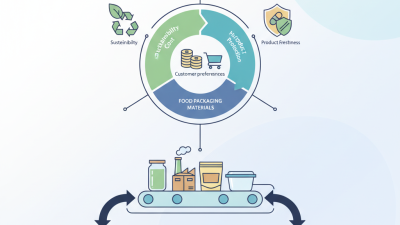
Food packaging plays a crucial role in maintaining freshness and promoting sustainability. The way food is packaged directly impacts its quality and safety. It influences consumer choices and overall satisfaction. However, the industry faces challenges. Traditional packaging often leads to waste and environmental concerns.
Innovative solutions are needed to address these issues. Sustainable materials and designs can enhance food preservation. Biodegradable, compostable, and reusable options are becoming popular. They minimize the carbon footprint associated with food packaging. Yet, the transition to these solutions is not without obstacles. Cost and availability remain significant barriers for many brands.
The quest for optimal food packaging requires constant reflection and adaptation. Consumers are increasingly aware of their choices. They seek out brands that align with their values. As the industry evolves, manufacturers must balance effectiveness with sustainability. The journey toward better food packaging is ongoing and complex.
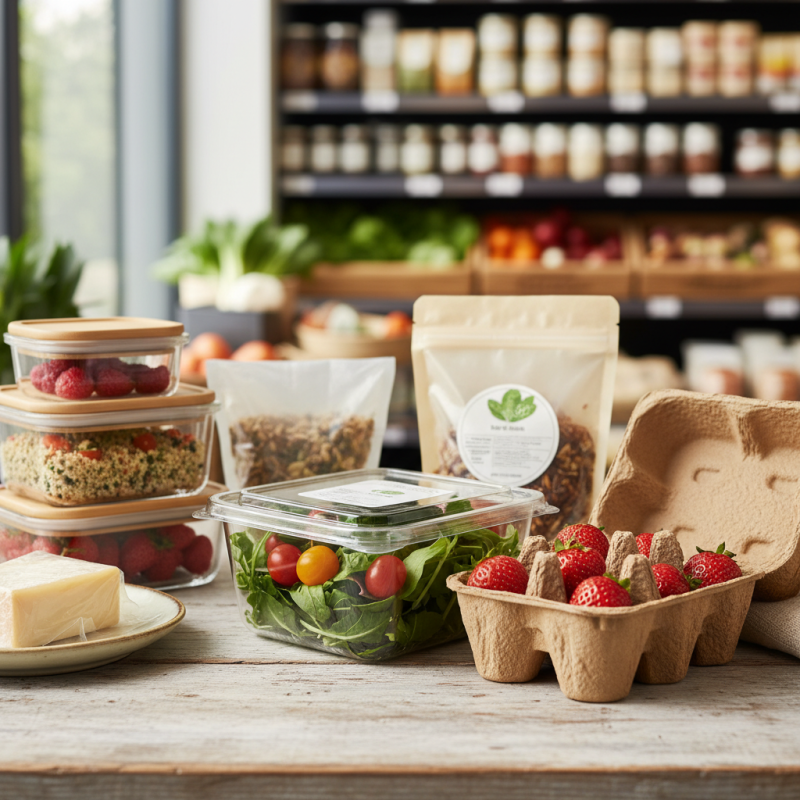
The shift to eco-friendly food packaging materials has become essential in today's market. Studies indicate that approximately 74% of consumers prefer packaging that is sustainable. This preference drives companies to rethink their packaging strategies. Using biodegradable materials can reduce plastic waste significantly. For instance, a report by the Biodegradable Products Institute revealed that biodegradable plastics could divert over 30 million tons of waste from landfills each year.
One major advantage of eco-friendly packaging is its contribution to food freshness. Research shows that packaging made from natural fibers can extend the shelf life of produce. This is crucial for reducing food spoilage. For example, mushrooms packed in compostable materials lasted 10% longer compared to those in traditional plastic. However, challenges remain in maintaining quality during transportation. Some biodegradable options still lag in performance under varying temperatures.
Implementing sustainable practices does pose some hurdles. Many businesses struggle with the cost of switching materials. The initial investment can be daunting. Additionally, there may be a learning curve in adapting production processes. Not every eco-friendly material performs equally well in all situations. This inconsistency can lead to skepticism among consumers about the efficacy of sustainable packaging. Further research and innovation are necessary to overcome these obstacles.
Innovative technologies are transforming food packaging. These advancements focus on maintaining freshness while prioritizing sustainability. One popular method is vacuum packaging. This technique removes air, preventing spoilage and extending shelf life. Many businesses are exploring biodegradable materials. These options break down naturally, reducing landfill waste.
Tips for choosing the right packaging: Check for airtight seals. Poor seals can lead to quicker spoilage. Consider materials that are certified compostable. They offer environmental benefits while keeping food fresh.
Another exciting development is smart packaging. This technology monitors freshness in real-time. Sensors can detect temperature changes or spoilage signs, alerting consumers. It's a game-changer for reducing food waste. However, these systems can sometimes be complex and costly.
Tips for sustainable packaging: Look for local suppliers. This reduces carbon footprints significantly. Embrace reusable containers. They minimize single-use plastics and encourage a circular economy.
| Packaging Type | Material | Freshness Retention | Sustainability Rating | Innovation Technology |
|---|---|---|---|---|
| Modified Atmosphere Packaging (MAP) | Plastic/Paper | High | Medium | Gas flushing technology |
| Vacuum Packaging | Plastic film | Very High | Low | |
| Active Packaging | Biodegradable materials | Medium | High | Moisture control films |
| Edible Packaging | Natural substances | Medium | Very High | Biofilm technology |
| Smart Packaging | Plastic/Smart labels | High | Medium | Sensors and indicators |
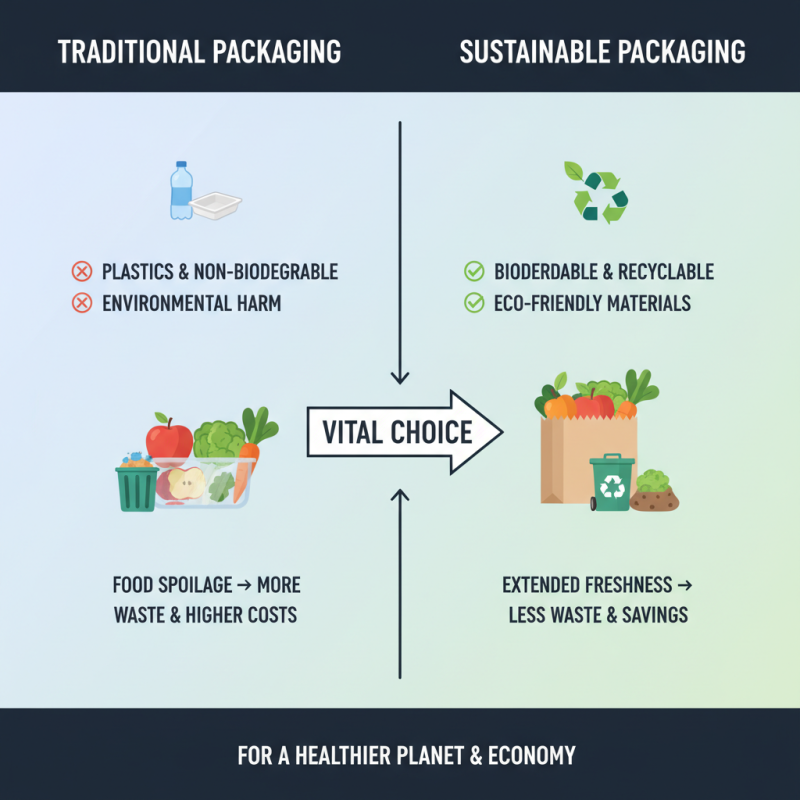
The choice between traditional and sustainable packaging solutions is vital. Traditional packaging often employs plastics and non-biodegradable materials. These options, while effective for freshness, can harm the environment. The reality is that many foods spoil in traditional packaging. This can lead to increased waste and higher costs.
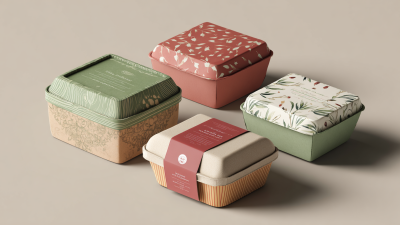
Sustainable packaging focuses on environmentally friendly materials. Options include compostable bioplastics and recycled papers. These solutions enhance freshness while reducing ecological impact. They are often designed to be reused or easily recycled. However, they sometimes lack the same barrier qualities as traditional materials. This can lead to a shorter shelf life for some products.
Tips: Consider switching to biodegradable bags for your fruits and vegetables. They protect your produce and are kinder to the planet. Ensure to check for certifications indicating true sustainability. Innovation is key in this area, but not all solutions are perfect. Embrace the learning curve and adapt your methods.
The food industry faces significant challenges in sustainability. Many companies are still using traditional plastic packaging. This not only harms the environment but also affects food freshness. Shift towards biodegradable materials is essential. Options like plant-based plastics are gaining popularity. However, some of these materials may not perform well in preserving food quality.
Implementing sustainable packaging requires careful planning. Brands should assess their supply chain and find eco-friendly alternatives. Training staff on responsible packaging practices is crucial. Some companies struggle with costs when switching materials. It's important to balance sustainability and economic viability. Performance testing of new packaging solutions is necessary. Sometimes, the results might disappoint. This feedback can drive innovation and improvement.
Consumer education is equally vital. Shoppers need to understand the value of sustainable packaging. Transparency about packaging sources builds trust. Yet, many still prefer convenience over sustainability. This creates a dilemma for the food sector. Adapting to consumer preferences while promoting eco-friendly practices is challenging. A clear commitment to sustainability, even with setbacks, can foster long-term success.
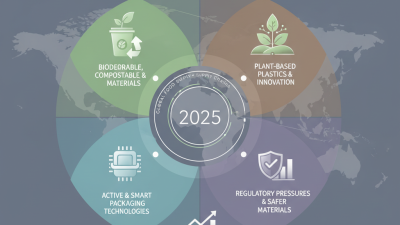
The food packaging industry is rapidly evolving. Companies are focused on balancing freshness and sustainability. Consumers demand products that keep food fresh while being eco-friendly. This has led to innovative approaches in packaging design.
New materials are emerging in the market. Biodegradable options are gaining traction. These materials break down naturally, reducing landfill waste. However, they sometimes lack the durability of traditional plastics. Finding a middle ground is crucial. The challenge lies in choosing materials that are both sustainable and effective.
Tips: When selecting food packaging, consider the product's needs. Some items require airtight seals, while others benefit from breathable materials. Think about what works best for your food. Also, keep sustainability in mind. Look for suppliers who prioritize eco-friendly practices.
Interestingly, the rise of plant-based inks and compostable films marks a positive trend. They show promise but often come with higher costs. This can deter smaller businesses. These choices require reflection on how to balance budget and eco-responsibility. Creating a sustainable future in food packaging demands both creativity and strategic planning.