The packaging industry has undergone significant transformations in recent years. Innovations have reshaped how products are presented and preserved. According to a report from Smithers Pira, the global packaging market is projected to reach $1.05 trillion by 2024. This remarkable growth underlines the importance of effective design and sustainability in packaging solutions.
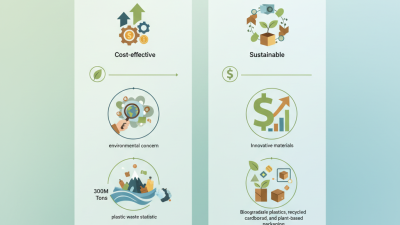
Carlos Gonzalez, an expert in the packaging industry, emphasizes, "Innovation in packaging is vital for meeting modern consumer demands." Innovations such as biodegradable materials, smart packaging, and enhanced convenience are at the forefront. However, while these advancements offer many benefits, they also present challenges. For instance, balancing sustainability with cost-effectiveness remains a pivotal issue.
Companies face scrutiny over their environmental impact. As new technologies emerge, some may not fully consider long-term effects. Eco-friendly options can sometimes lead to higher production costs. The quest for the best innovations in the packaging industry is ongoing, with companies striving to improve efficiency and reduce waste. Understanding these complexities is key to truly advancing in the packaging field.
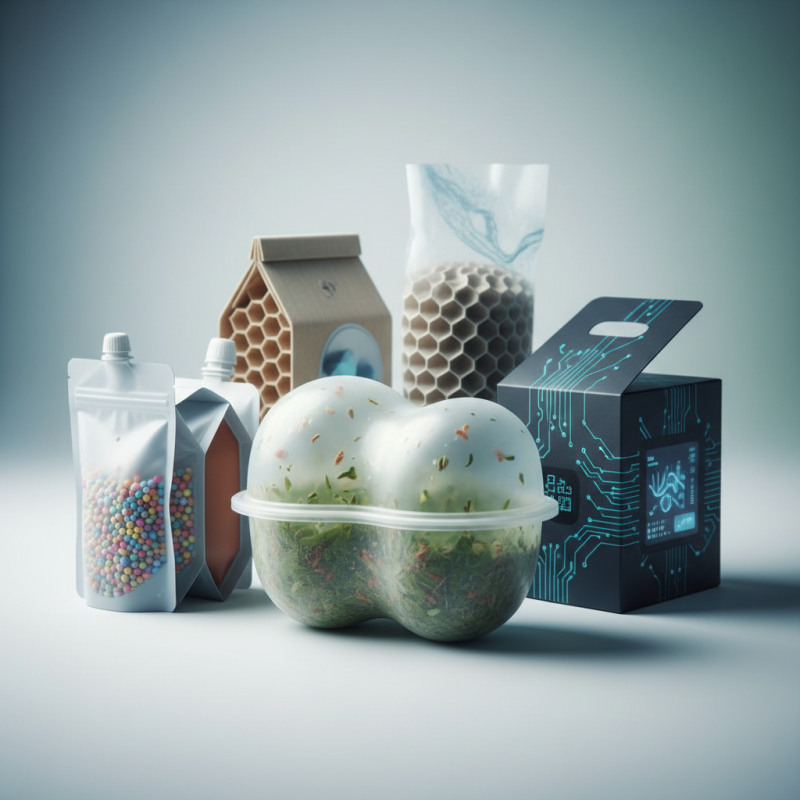
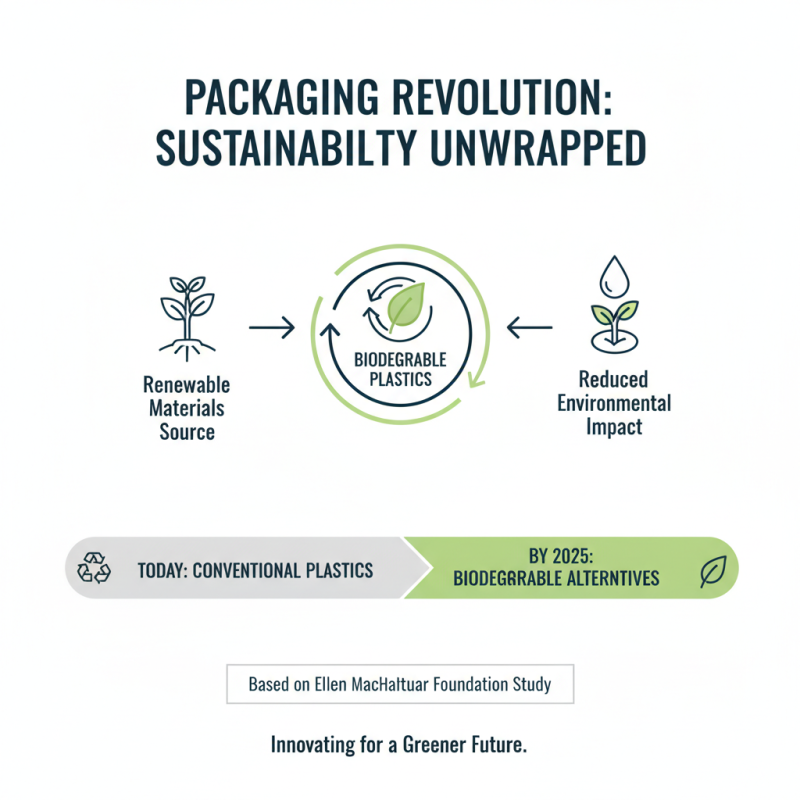
The packaging industry is undergoing a significant transformation. Innovative materials are setting new standards for sustainability. Biodegradable plastics, sourced from renewable materials, are emerging as viable alternatives. According to a recent study by the Ellen MacArthur Foundation, nearly 30% of plastic packaging could be replaced with biodegradable options by 2025. This shift highlights potential advantages in reducing environmental impact.
Another exciting development is the use of mushroom-based materials. This organic alternative degrades efficiently and can be produced with minimal resources. Researchers estimate that using mycelium as packaging could cut production costs by up to 40%. However, challenges remain. The scalability of such innovations is still a concern, and further research is needed to ensure commercial viability.
Recycling processes are also evolving. Advanced sorting technologies can increase the efficiency of recycling lines. A report from McKinsey states that improving recycling accuracy by just 20% could divert millions of tons of waste from landfills. Yet, public awareness and participation in recycling programs still lag behind. More education is needed to foster a culture of sustainability.
Smart packaging technologies are transforming the way consumers interact with products. Imagine a food package that changes color to indicate freshness. This innovation helps prevent food waste. It's a simple yet effective change that enhances user experience significantly. Consumers can now trust that they are getting the highest quality.
Another fascinating development is the use of QR codes on packaging. They enable brands to offer extended information about the product. A user can scan the code for recipes, origins, or even sustainability practices. However, not all consumers know how to access this information. This gap poses a challenge for brands aiming to educate their audience.
Interactive elements also add excitement to packaging. Some products feature augmented reality experiences. Users can see animations or additional content by scanning their packages. Yet, not every consumer has the devices needed to engage with this technology. Packaging must balance innovation with accessibility for all customers.
This chart displays the top 5 innovations in the packaging industry based on their contribution to enhancing user experience. Sustainable materials lead the way, indicating a significant shift towards eco-friendly practices.
The packaging industry is undergoing a significant transformation. One of the most notable changes is the rise of biodegradable solutions. These innovative materials aim to reduce environmental impact. They break down naturally, leaving behind no harmful residues. This is crucial for our planet's health.
Many companies are exploring bio-based plastics made from natural sources. These materials provide an alternative to traditional plastics. The results are promising, but challenges remain. Not all biodegradable solutions decompose effectively in every environment. Some require specific conditions to break down. This raises questions about their practicality in real-world applications.
There is still much to learn. Consumers may find it confusing to choose between biodegradable and compostable products. Education is essential to clear misconceptions. Packaging that claims to be eco-friendly might not always live up to expectations. Continual improvement and innovation are needed. The journey toward sustainable packaging solutions is ongoing. Each step forward can create a greener future.
| Innovation | Material Type | Biodegradability | Environmental Impact Reduction (%) | Market Availability |
|---|---|---|---|---|
| Plant-Based Plastics | PLA (Polylactic Acid) | Yes | 60% | Available |
| Mushroom Packaging | Mycelium | Yes | 80% | Available |
| Compostable Films | PBAT (Polybutylene Adipate Terephthalate) | Yes | 70% | Limited |
| Recycled Paperboard | Recycled Paper | Yes | 50% | Widely Available |
| Edible Packaging | Seaweed and Milk Proteins | Yes | 90% | Experimental |
In recent years, minimalist packaging designs have gained traction in the packaging industry. These designs focus on simplicity, aiming to reduce material usage while maintaining functionality. This approach not only cuts costs but also lessens environmental impact. By minimizing excess packaging, companies reduce waste generated in production and logistics.
Efficient packaging incorporates clear labeling and easy-to-assemble structures. This shift simplifies the consumer experience. However, achieving this balance can be challenging. Some designs may sacrifice aesthetics or practicality. Brands often struggle to find the sweet spot between a sleek look and sufficient protection for the product.
Moreover, consumer preferences can be unpredictable. What appears minimalist to one might feel bland to another. It raises questions about how to connect with customers through packaging. Striving for efficiency should not compromise the emotional response that appealing designs evoke. Re-evaluating these principles is essential for long-term success in an evolving market.
In recent years, augmented reality (AR) has transformed packaging. This technology enhances consumer engagement in fascinating ways. When consumers scan packaging with their devices, AR brings products to life. A simple box can become an interactive experience. Shoppers can view videos, tutorials, or even enjoy games related to the product.
Imagine picking up a snack and discovering a fun AR animation. It could show the sourcing process or suggest recipes. This adds a new layer to the shopping experience. However, not all AR applications are successful. Some fail to capture attention or feel clunky. It is essential for brands to evaluate user interactions with AR.
The integration of AR in packaging can also offer challenges. Technical issues may arise, leading to frustration. Additionally, excessive use of AR may overwhelm some consumers. Balancing creativity with usability is crucial. Brands must strive for a seamless experience that invites exploration, not confusion. Engaging consumers is key, but the method must feel natural.