Top 10 Best Packaging Design Examples to Inspire Your Brand?

In today’s competitive market, effective packaging design plays a crucial role in brand success. According to a 2023 report by the Packaging Association, over 70% of consumers make purchase decisions based on packaging alone. This statistic highlights the significance of visual appeal and functionality in attracting customers.

Experts in the field, like Dr. Alex Morgan, a renowned packaging consultant, state, “Packaging design is the first interaction consumers have with a product.” This emphasizes the need for brands to invest in innovative designs that capture attention. However, many companies overlook the importance of sustainability. The same report reveals that brands utilizing eco-friendly packaging see a 30% increase in customer loyalty.

Still, not all packaging designs are effective. When aesthetics overshadow functionality, brands risk alienating potential buyers. Flaws in design can diminish the user experience, leading to negative perceptions. Ultimately, understanding the balance between creative visuals and practical use is vital for brands aiming to leave a lasting impression.
Top 10 Best Packaging Design Examples to Inspire Your Brand?

Top Trends in Packaging Design: Insights from Recent Market Studies

Consumers are increasingly drawn to packaging that speaks to sustainability. Recent studies show that 72% of consumers prefer eco-friendly packaging. Brands that prioritize this can enhance their appeal. This trend indicates a shift towards more responsible consumer choices. Attention to material sourcing and production processes is crucial.

Visual aesthetics remain vital in packaging design. Bold colors, unique shapes, and eye-catching graphics often influence buying decisions. Research indicates that well-designed packaging can increase sales by up to 30%. However, walking the fine line between creativity and functionality is essential. An overly complicated design may confuse customers or compromise product integrity.

Tips: Keep packaging simple yet striking. Test different designs before finalizing. Gather feedback from focus groups to assess what resonates. Reflect on the balance between innovation and practicality. Aim for designs that enhance the user experience while still standing out on the shelves.
Top 10 Best Packaging Design Trends

The Role of Color Psychology in Effective Packaging Design Strategies

Color psychology plays a significant role in packaging design. It shapes consumer perceptions and influences buying decisions. For instance, blue often evokes trust, while red can incite urgency. Choosing the right colors is crucial. Brands must consider their target audience's emotional responses. This requires research and testing. A mismatch can lead to confusion.

Consider the visual impact of colors on shelves. Bright colors grab attention, while muted ones may blend in. Effective packaging stands out. However, not all colors resonate universally. Cultural differences impact interpretations. What works in one region might fail in another. It's important to tread carefully here.

Designers need to be aware of color symbolism. Misunderstandings can arise. For example, green signifies health but could also invoke jealousy. This complexity adds a layer of challenge. Reflecting on color choices is vital for successful packaging. It ensures alignment with brand identity and consumer expectations. Mistakes can be learning moments, guiding future decisions.

Sustainable Packaging: Impact on Brand Perception and Consumer Choices

Top 10 Best Packaging Design Examples to Inspire Your Brand?

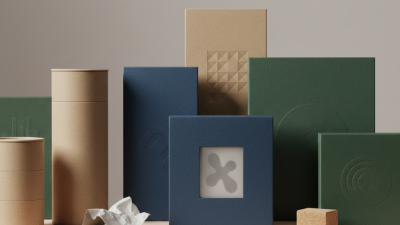
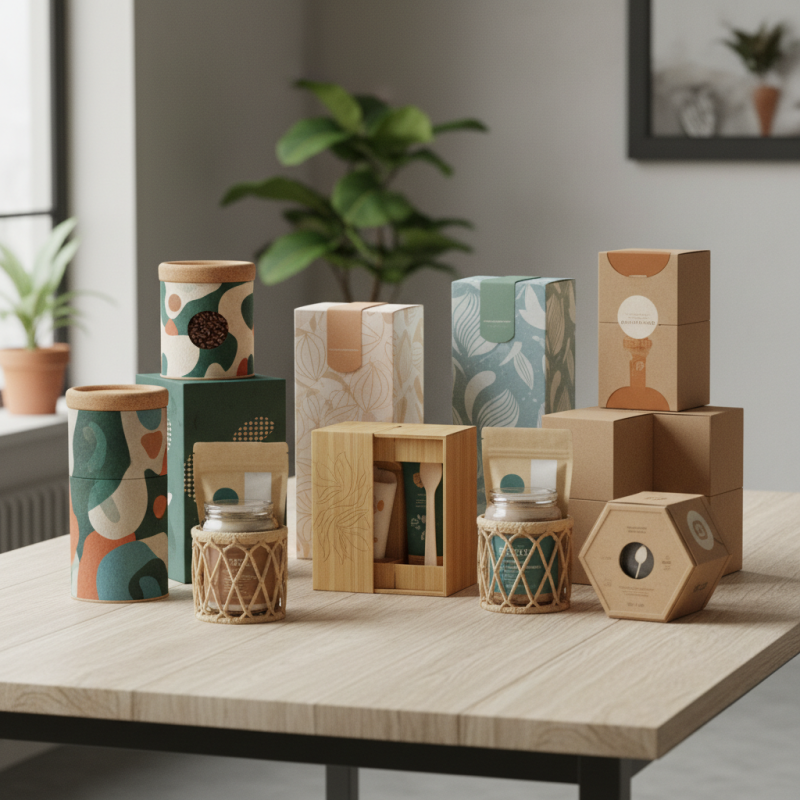
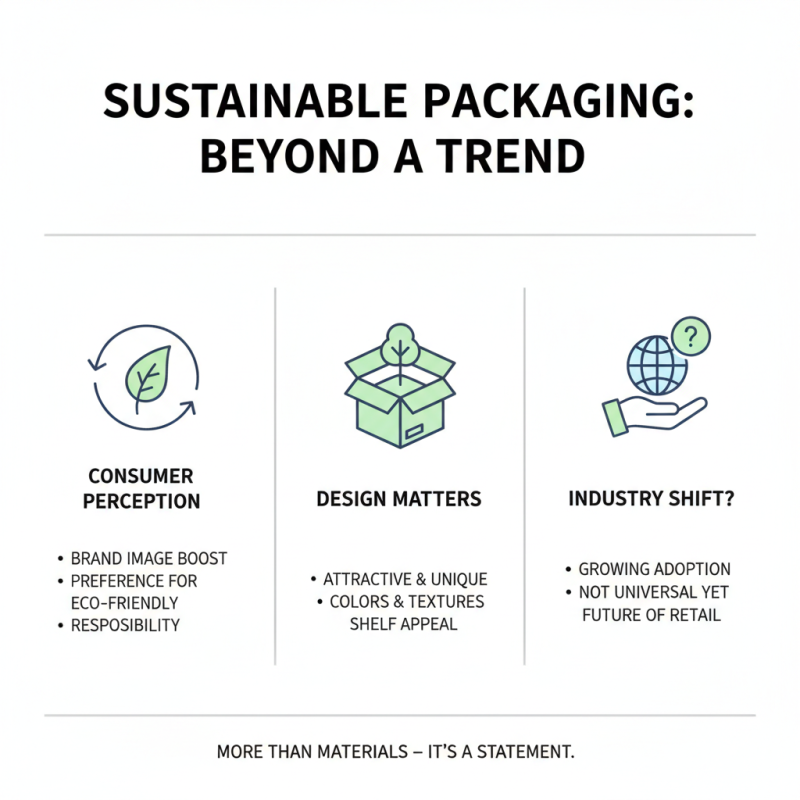
Sustainable packaging is more than a trend; it shapes how consumers view brands. Many people prefer eco-friendly materials. A simple cardboard box can evoke a sense of responsibility. Attractive designs make these boxes stand out on shelves. Colors and textures play a role too. Yet, not every brand embraces this shift.

Some companies still rely on plastic. They may face backlash. Sustainable options might seem costly, but consumers notice. Wasteful designs harm brand image. On the contrary, clear labeling about eco-friendliness can attract attention. Brands should aim for transparency. This builds trust.

Engagement with sustainability should reflect genuine commitment. Some brands falter here, offering minor improvements but lacking depth. It’s crucial to innovate while being mindful of true sustainability. Designers need to balance aesthetics and environmental impact. This journey requires reflection and continuous improvement.

Case Studies: Brands That Successfully Transformed Through Packaging Design

Packaging design is crucial for brand identity. According to research, 70% of consumers judge a product by its packaging. Brands that innovate in this area often see significant market growth. A striking package can elevate a product’s visibility. It tells a story and can evoke emotions. Yet, not all designs succeed. Some fail to resonate, leaving consumers confused. A clear message is key.

Case studies show that brands that embrace sustainable packaging often see increased customer loyalty. A report indicates that 54% of consumers consider sustainability in their purchasing decisions. However, while many brands strive for eco-friendly designs, they sometimes overlook functionality. A beautiful box that is difficult to open can frustrate customers. Brands must balance aesthetics and usability.

Choosing the right materials is essential. Some brands experiment with unique textures, shapes, and colors. However, too much innovation can lead to overwhelming designs. Simplicity can often be more effective. A design should enhance, not detract. Brands can learn from successful examples, but they must also evaluate their own approaches. Striking the right balance is always a challenge.

Innovative Materials in Packaging: Boosting Brand Visibility and Appeal

Top 10 Best Packaging Design Examples to Inspire Your Brand?

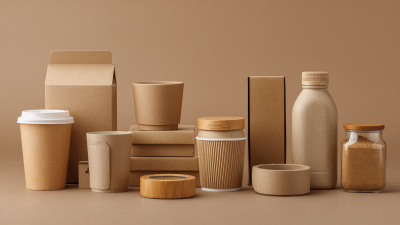
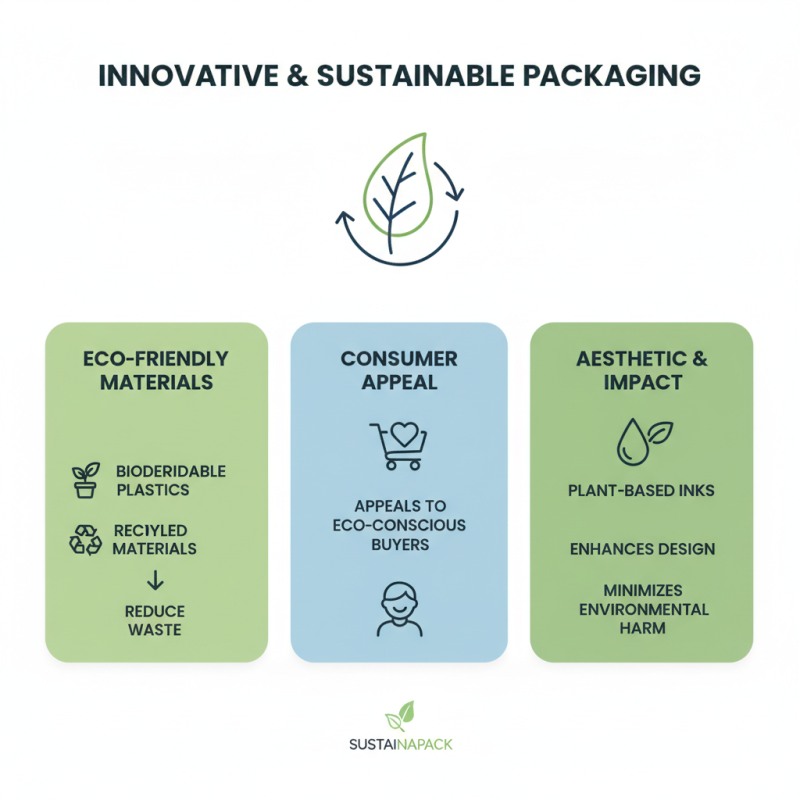
In the world of packaging, innovative materials can make a significant difference. Companies are exploring sustainable options, like biodegradable plastics and recycled materials. These choices not only reduce waste but also appeal to environmentally conscious consumers. For example, using plant-based inks enhances aesthetic appeal while minimizing environmental impact.

Textures also play a role in attraction. Soft-touch finishes can create a tactile experience. They invite consumers to engage and explore the product further. However, not every material suits every product. Brands should test for durability and functionality. A beautiful package that isn't practical can lead to disappointment. An enticing design may even use unconventional materials, sparking curiosity. While grabbing attention is essential, longevity is crucial.

Color and shape further influence brand visibility. Unexpected color combinations can attract the eye. Likewise, unique shapes can stand out on crowded shelves. Yet, too much complexity can confuse consumers. Finding the right balance is key. It's a constant learning process. Brands must evaluate their packaging choices regularly to ensure they resonate with their target audience. Embracing innovation requires reflection and a willingness to adapt.