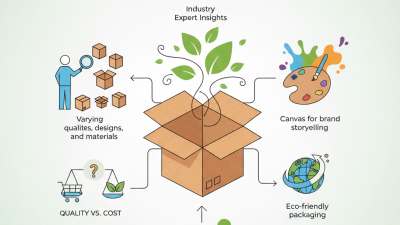
In 2026, the global sourcing landscape for packaging materials is evolving rapidly. According to a report by Smithers Pira, the global packaging market is projected to reach $1 trillion by 2025. This growth underscores the increasing demand for innovative and sustainable packaging solutions. Industry expert Dr. Emily Chen highlights this trend, stating, “The choice of packaging materials directly impacts product appeal and sustainability.”
As businesses expand their global footprint, they face challenges in selecting appropriate packaging materials. The need for lightweight, durable, and eco-friendly options is paramount. For instance, biodegradable plastics have gained traction, appealing to environmentally-conscious consumers. However, some companies struggle to balance cost with sustainability.
While advancements in technology bring new opportunities, they also raise questions. Are the new materials truly sustainable? How do they compare in performance to traditional options? It’s important to critically assess these developments. The choices companies make today will shape the future of packaging and its environmental impact. Crafting a thoughtful strategy for packaging materials is essential for long-term success.

As the global market evolves, packaging materials are experiencing significant changes. Sustainability remains a primary trend. Biodegradable and recyclable materials are gaining traction. Brands are seeking eco-friendly options that reduce environmental impact. Consumers prefer products with sustainable packaging. This shift is not just a trend but a necessity for businesses.
Innovation is key in 2026. Smart packaging is on the rise. This technology enhances shelf life and informs consumers about product quality. However, the cost of these materials can be high. Companies must balance innovation with their budget constraints.
Local sourcing is becoming important too. Sourcing materials locally reduces carbon footprints. It also supports local economies. Yet, businesses must ensure quality and reliability in these materials. Finding the right balance remains a challenge. Understanding these trends can lead to more effective sourcing strategies.
As global sourcing evolves, sustainable packaging materials are becoming essential. An industry report from Smithers indicates that the biodegradable packaging market is projected to reach $20 billion by 2026. This growth reflects a heightened awareness of environmental impact among both consumers and companies. Companies increasingly prioritize materials that reduce carbon footprints and utilize renewable resources.
Innovations in packaging, such as compostable films and plant-based plastics, illustrate this trend. However, challenges remain. Sourcing sustainable materials can be costlier than traditional options. Industry leaders report that only 15% of companies have adopted fully sustainable packaging. This indicates a gap between market demand and supply capabilities. The complexity of obtaining sustainable materials raises critical questions about scalability and accessibility.
The shift toward sustainable packaging is not just a trend; it is a necessity. For instance, the Ellen MacArthur Foundation's studies show that proper waste management could reduce global packaging waste by 30%. However, many brands have yet to incorporate sustainable practices effectively. This situation highlights the need for ongoing innovation and collaboration in the global sourcing landscape. As businesses strive for more sustainable solutions, the journey will require both time and commitment.
The evolution of packaging materials reflects a shift towards sustainability and efficiency. Traditional packaging often includes materials like cardboard and plastic. These options have been widely used for decades. However, they can contribute heavily to waste. Many companies are now faced with the challenge of balancing functionality with environmental concerns.
Modern packaging solutions embrace innovative materials. Biodegradable options, like plant-based plastics, aim to reduce landfill impact. These materials are gaining traction for their eco-friendly properties. Lightweight packaging also aims to lower transportation costs. This is critical for global sourcing needs, but it can increase the fragility of packages. Companies must weigh these factors carefully.
Adopting modern materials is not without challenges. Supply chains must adapt to new sourcing methods. Some alternative materials can be more costly initially. Businesses may hesitate to shift from traditional methods due to these concerns. The decision to transition requires thorough analysis and a willingness to embrace change. Companies should continually assess how modern materials impact their brand image and operational efficiency.
When sourcing packaging materials for international trade, regulatory considerations play a crucial role. Countries have different laws regarding materials, labeling, and safety. Compliance with these regulations is essential to avoid delays and additional costs. For instance, specific materials may be restricted due to health or environmental concerns. Sourcing teams must stay informed about these rules to ensure their packaging complies with the destination country’s requirements.
Furthermore, documentation is a critical element of compliance. Accurate records help demonstrate adherence to regulations. Import and export documentation must include material safety data sheets and declarations. Many businesses overlook this, leading to potential penalties. It’s vital to have established protocols for documentation to facilitate smooth trade.
Sustainability is another growing regulatory concern. Many regions now mandate eco-friendly packaging options. Companies may struggle to balance compliance with cost-effectiveness. Exploring biodegradable and recyclable materials may help meet these regulations. Careful planning and research are needed to navigate this complex landscape effectively.
Emerging markets are reshaping the demand for packaging materials worldwide. As economies grow, the need for sustainable and innovative packaging solutions rises. These markets, often characterized by rapid urbanization and increasing consumerism, influence global sourcing trends significantly.
In countries like India and Brazil, there's a shift towards eco-friendly materials. Consumers are becoming more conscious of environmental issues. This cultural change demands that companies adapt their packaging strategies. However, not all businesses can pivot quickly. Some are stuck in outdated packaging practices. This highlights the need for a fresh outlook in the industry.
Quality control remains a challenge. Many emerging markets struggle with regulatory standards. Inconsistencies in materials can lead to inferior products reaching customers. This situation necessitates careful sourcing and quality assurance practices. Companies must balance cost-effectiveness with reliability. As demographics and purchasing power evolve, the packaging landscape will continue to change. Adapting to these shifts is crucial for long-term success in global markets.