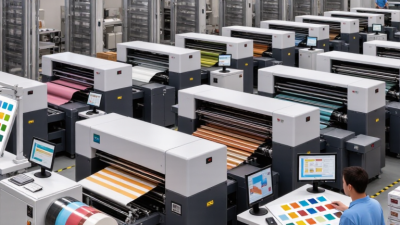
Choosing the best packaging printing company in China requires more than comparing prices or browsing attractive product photos. Buyers must examine print quality, material control, color consistency, delivery reliability, and compliance documentation. A carton may look impressive on a screen, yet fail during folding, shipping, or shelf display.
Industry data shows why this decision matters. Smithers’ The Future of Packaging to 2028 reports continued growth in global packaging demand, driven by e-commerce, food safety, and brand differentiation. Its research also highlights digital printing, automation, and sustainable substrates as important development areas. The Association for Packaging and Processing Technologies (PMMI) similarly identifies shorter production runs and faster product changes as major packaging trends. These pressures make technical flexibility essential.
Sean Smyth, a packaging-printing analyst at Smithers, has stated that digital printing should be viewed as “a complement to conventional printing, not a replacement.” That practical distinction matters. A strong supplier should recommend offset, flexographic, or digital methods according to order volume, artwork complexity, substrate, and turnaround time. Not every factory can do this honestly.
Experience still matters.
The best packaging printing partner in China is not necessarily the largest manufacturer. It is the company that can show controlled color samples, traceable inspections, clear material specifications, and realistic production timelines. ISO certificates help, but they do not replace factory audits or independent sample testing. This article compares the capabilities that genuinely separate reliable suppliers from impressive-looking vendors. Some conclusions may remain imperfect, because performance can vary between facilities, seasons, and individual projects.
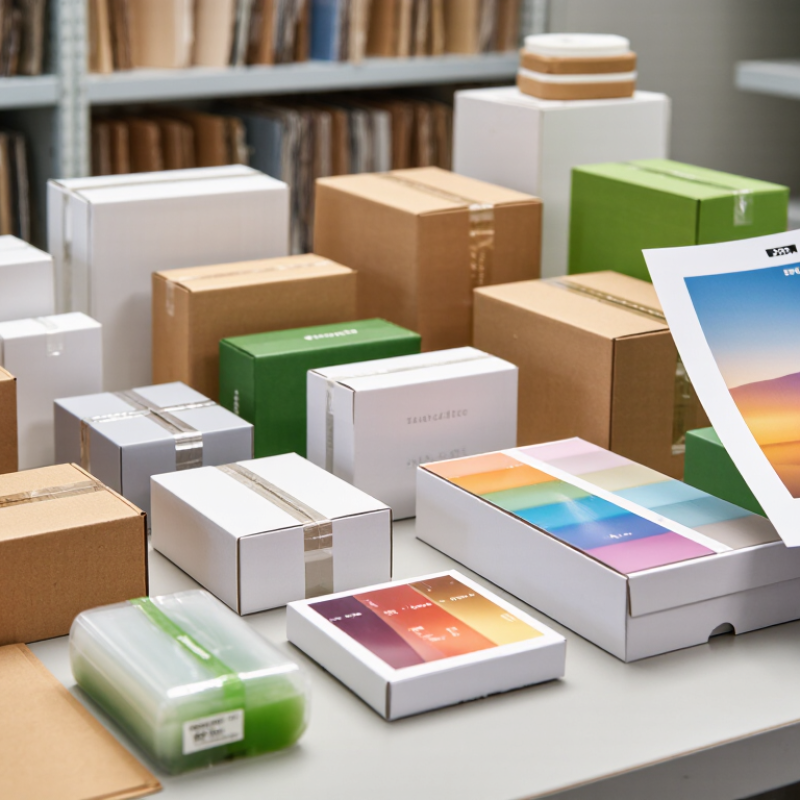
What Is the Best Packaging Printing Company in China?
The best packaging printing company should fit your product, market, and quality expectations. Do not judge suppliers by price alone. Review their printing experience with your packaging material, such as kraft paper, coated board, or flexible film. Ask for recent samples. Check color accuracy, folding lines, glue strength, and surface finishing under normal light. A reliable supplier should explain its production process clearly and provide measurable quality standards.
Tips: Request a physical sample before placing a large order. Confirm the paper thickness, ink type, dimensions, packaging method, and delivery schedule in writing. Ask whether the factory performs color checks, adhesion tests, and carton inspections. A factory audit or live video tour can reveal storage conditions and production capacity. It also helps to review export experience, safety documentation, and response time. Slow communication is a warning sign.
Transparent pricing matters. The quotation should separate materials, printing, finishing, tooling, packing, and shipping. Check the minimum order quantity and replacement policy for defective goods. In my experience, the cheapest offer often creates hidden costs through color variation or delayed delivery. Still, even experienced buyers can overlook small details, especially during urgent launches. Recheck the artwork, barcode, text, and final dimensions before approval. A dependable partner welcomes questions and records each revision. That builds trust.
The best packaging printing company in China is not defined by size alone. It should show practical experience with cartons, flexible pouches, labels, and shipping boxes. A reliable supplier explains each production decision clearly. It should also provide samples before large-scale production. Small details matter.
Modern packaging projects may use gravure, flexographic, offset, or digital printing. Gravure supports consistent color across high-volume orders. Flexographic printing works efficiently on films, paper, and many roll-based materials. Offset printing creates sharp images for folding cartons. Digital printing suits short runs, variable designs, and quick market testing. The right technology depends on quantity, artwork, substrate, and delivery schedule.
Material knowledge is equally important. Common choices include kraft paper, coated paper, paperboard, PET, PE, BOPP film, and aluminum foil structures. Each material affects strength, barrier performance, sealing, and recycling options. A professional printer should check ink adhesion, color accuracy, seal strength, and surface defects. Food or pharmaceutical packaging requires suitable materials and documented compliance testing. Claims about sustainability need evidence, not attractive wording. I would also question a supplier that promises perfect results without discussing limitations. Printing can shift slightly between batches. Good communication reduces that risk. Proofing, inspection records, and controlled color standards make production more dependable.
A strong packaging printing company in China should prove quality through repeatable controls, not attractive samples alone.
Incoming paperboard checks should record basis weight, moisture, thickness, and surface strength.
During printing, operators should monitor colour density, registration, drying, and barcode readability.
Finished cartons need documented inspections for dimensions, glue strength, scuffing, and drop resistance.
Ask for evidence.
ISO’s 2023 Survey reported 1,265,216 ISO 9001 certificates across 189 countries and economies.
Certification does not guarantee perfect production, but it shows that controlled procedures and audits exist.
A reliable supplier should also provide batch records, corrective-action reports, calibration logs, and retained samples.
Numbers matter. I would still inspect the factory floor.
Environmental credentials require equal scrutiny.
FSC Facts & Figures 2023 reported more than 160 million hectares under FSC forest certification worldwide.
For printed packaging, buyers should verify certificate scope, chain-of-custody documents, and approved material claims.
ISO 14001 certification can support environmental management, but it cannot replace measurable waste and energy data.
Production capability matters too: confirm press formats, colour capacity, finishing equipment, sampling speed, and realistic monthly output.
A supplier may claim high capacity while relying heavily on subcontractors.
That risk deserves direct questioning.
Proof is better than promises.
The best packaging printing company in China is rarely the cheapest one. It is the supplier that explains customization, pricing, and minimum order requirements clearly. An experienced printer should discuss box structure, board thickness, coating, color standards, and finishing options before quoting. Request a physical sample or digital proof. A screen cannot fully show texture, folding strength, or color under warehouse lighting.
Pricing usually depends on material, dimensions, print coverage, finishing, tooling, packaging, and shipping terms. Ask for an itemized quotation. Clarify whether plates, molds, sampling, artwork adjustments, taxes, and freight are included. A low unit price may hide expensive setup fees. I once overlooked revision charges on a small project. That mistake made the final cost higher than expected. It still happens when buyers move too quickly.
Minimum order quantities vary with the production method and material. Digital printing may support a few hundred units, while offset printing often requires a larger run for better efficiency. Ask whether a trial order has the same specifications as mass production. Confirm lead times for samples and bulk manufacturing in writing. A reliable supplier should also provide relevant quality records, material information, and compliance documents for your destination market. Do not accept vague promises. Check print consistency across several cartons, not only one approved sample.
Selecting the right Chinese packaging printing partner requires more than comparing unit prices. The global packaging market is projected to exceed US$1.2 trillion by 2028, according to Smithers’ 2024 industry outlook. This scale creates many choices, but quality differences remain visible on shelves. Request factory photos, production samples, material specifications, and recent inspection records. A reliable supplier should explain paper grade, ink type, color tolerance, drying time, and finishing limits clearly.
Ask how the factory controls each batch. Check whether it records GSM, burst strength, rub resistance, and color deviation. For premium cartons, insist on approved proofs and measurable Delta E targets. For food-related packaging, verify suitable material declarations and traceability documents. Independent audits can confirm equipment, worker practices, and process discipline. Do not rely on polished showroom samples alone.
A practical test order is useful. Print one carton size, then inspect folding accuracy, corner alignment, odor, scuffing, and delivery protection. Compare the approved sample with cartons from the middle of production, not only the first pieces. Some buyers focus too heavily on price. That can be a mistake. My own selection process would also review response speed, corrective-action records, and backup capacity. Even experienced teams miss something. Clear purchase specifications and written acceptance standards reduce that risk.