The evolving landscape of packaging printing in China presents exciting opportunities for businesses. According to Smithers Pira's report, the global packaging printing market is expected to reach $500 billion by 2026. This growth indicates a rising demand for innovative solutions tailored to various industries. As companies seek to enhance their branding, effective packaging printing becomes crucial.
Michael Liu, a packaging printing expert, states, "The right packaging can elevate a brand’s presence in a crowded market." This emphasizes the importance of quality in packaging solutions. Businesses must carefully evaluate their needs and the latest trends in packaging printing to stay competitive.
However, challenges exist. Many companies overlook the importance of sustainable practices in packaging printing. With consumers increasingly prioritizing eco-friendly products, businesses should reflect on their choices. Striking a balance between efficiency and sustainability will define success in the packaging printing industry moving forward.

When choosing packaging printing solutions in China, several key factors demand attention. A 2022 report from Smithers reveals that the global packaging market is projected to reach $1 trillion by 2026, indicating increasing competition. Businesses must consider quality, cost, and turnaround time. Quality ensures brand integrity. Cost affects overall profit margins. Quick turnaround times are essential for staying agile in the market.
Sustainability is another crucial aspect. Recent data shows that 84% of consumers prefer sustainable packaging. Failing to adapt could alienate environmentally conscious customers. Evaluate suppliers on their eco-friendly practices, materials, and certifications. Also, remain aware of regional regulations, as they vary widely across China. Some manufacturers may not comply with local standards.
Finally, cultivate strong communication channels with your chosen partners. Misunderstandings can lead to costly errors. Regular updates and clear expectations can mitigate these risks. Despite advancements, challenges remain. Adaptability in selecting the right partner aligns with ever-evolving market demands.
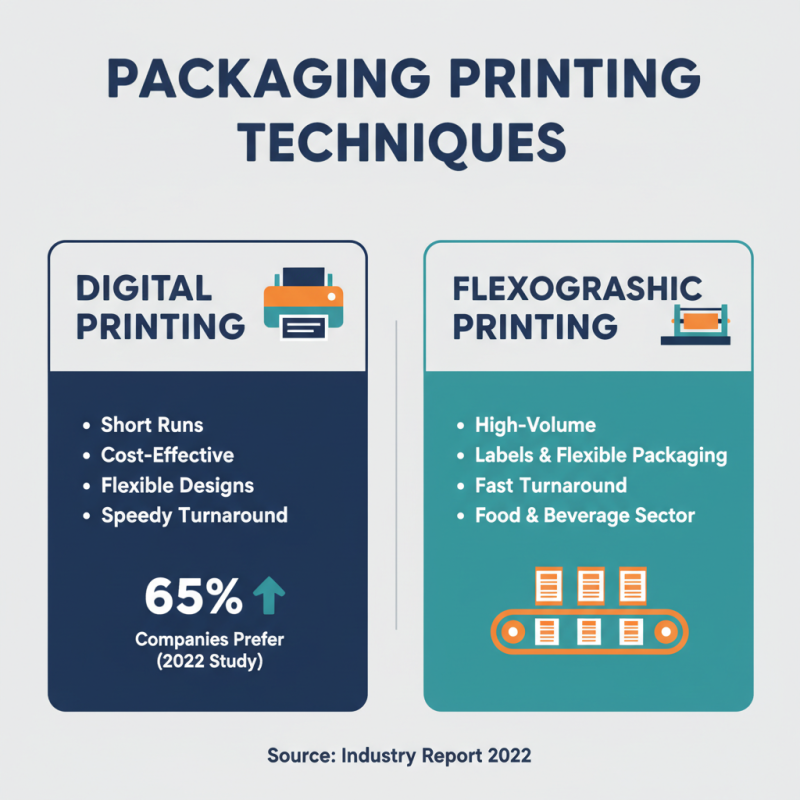
When selecting packaging printing techniques, businesses face several choices. Each method has unique advantages tailored to different applications. Digital printing is gaining traction, offering cost-effectiveness for short runs. A 2022 study revealed that 65% of companies prefer digital options for flexibility and speed. Conversely, flexographic printing excels in high-volume production, particularly for labels and flexible packaging. It boasts a fast turnaround time, making it ideal for the food and beverage sectors.
Offset printing remains a reliable choice for high-quality graphics, commonly used in consumer goods packaging. While it involves higher initial costs, it offers superior color accuracy. According to industry reports, offset printing constitutes about 30% of the global packaging market.
Tips: Always consider production volume. If your needs fluctuate, digital printing can adapt seamlessly. Evaluate your budget as well; low-volume projects may benefit more from digital methods. Reflect on sustainability too. Eco-friendly inks and materials are becoming the norm. Embracing these can enhance brand image and resonate with environmentally conscious consumers.
When evaluating quality standards in China's packaging printing industry, it's essential to consider various factors. The industry offers a range of materials and techniques. However, not all companies adhere to the same quality benchmarks. Some printers may cut corners to reduce costs, which can compromise the final product.
Understanding these nuances can help businesses choose the right partner. Look for companies that emphasize quality control measures. Ask about their printing technology and materials. Evaluate any certifications they possess, as these often reflect adherence to international standards.
Tips:
Always request samples before making a decision. Review color accuracy and material quality closely. Don't overlook customer reviews; they often highlight reliability issues.
In today's competitive market, businesses must find the right balance between cost and quality in packaging solutions. According to a recent industry report, packaging costs can account for up to 10% of overall product expenses. Companies are increasingly looking for ways to optimize these costs while maintaining quality to meet customer expectations. This balance is crucial for driving profitability and sustainability.
When evaluating packaging options, consider materials that are both eco-friendly and cost-effective. The packaging industry is projected to grow by 3.7% annually, driven by demand for recyclable materials. However, it’s essential to avoid choosing the cheapest materials, as this can lead to quality issues. Remember, consumers often associate packaging quality with product quality.
Tip: Test different materials on a small scale to gauge their performance and customer feedback before committing to a larger order. This approach minimizes risks and helps you refine your packaging strategy based on actual data.
Additionally, streamline your packaging design. Simplified designs can reduce material usage and cutting costs. A study found that optimizing packaging design can save businesses about 20% on materials. Good design also enhances user experience, which can ultimately improve sales.
Tip: Use digital printing technology, which can lower costs for smaller runs and reduce waste. Embracing innovative solutions will position your business favorably in a challenging market.
The packaging printing industry in China is undergoing significant transformations. Innovations such as digital printing, sustainable materials, and smart packaging are at the forefront of these trends. According to a report by Smithers Pira, the global market for digital printing in packaging is expected to reach $23 billion by 2024, highlighting the rapid adoption of digital technologies.
Digital printing allows for customized packaging solutions, enhancing brand engagement. With the rise of e-commerce, the demand for unique and eye-catching packages has surged. Yet, challenges persist. Many businesses still rely on traditional printing methods, which may limit their flexibility. Data from the China National Bureau of Statistics indicates that approximately 40% of packaging companies have yet to invest in digital technologies.
Sustainability in packaging is another critical trend. The China Packaging Federation noted that around 60% of consumers prefer eco-friendly packaging. This presents an opportunity for brands to invest in sustainable practices. Despite growing consumer interest, some companies struggle to balance cost and sustainability in their packaging strategies. This gap reveals the need for brands to rethink their approach to meet modern expectations while maintaining profitability.