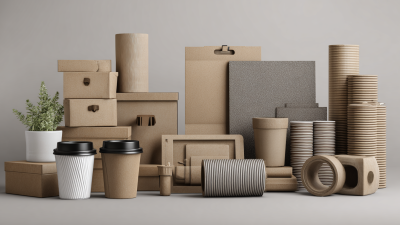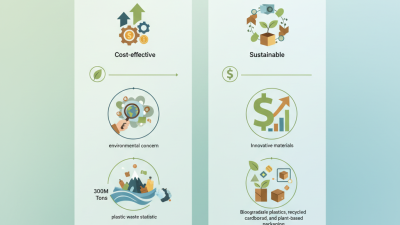
What makes the best packaging supplies from China? The answer is rarely the lowest quotation. It depends on material performance, factory control, product safety, customization, and delivery reliability. Smithers’ The Future of Global Packaging to 2028 forecasts that the worldwide packaging market will exceed $1.2 trillion by 2028. This growth reflects rising demand for e-commerce mailers, rigid boxes, flexible films, protective foam, labels, and sustainable alternatives.
China remains a major sourcing hub because its manufacturing clusters connect paper mills, converters, printers, molders, and logistics providers. A well-selected supplier can produce a retail box with sharp color registration, clean creases, and consistent dimensions across thousands of units. However, impressive samples can hide weak batch control. That is where experience matters. Buyers should review material specifications, production tolerances, test reports, and independent inspection records before placing large orders.
Quality needs evidence.
The best packaging supplies should match the product, shipping route, and destination requirements. FSC-certified paper may support responsible forestry claims, while recycled content needs clear documentation. For food or cosmetic packaging, buyers should request applicable migration testing and compliance documents. ISO 9001 certification can indicate a structured quality system, but it does not guarantee flawless production. That limitation deserves attention. Reports from the International Organization for Standardization and the Sustainable Packaging Coalition also emphasize traceability, material efficiency, and lifecycle thinking. This guide will compare common Chinese packaging options through those practical measures, not marketing language alone.
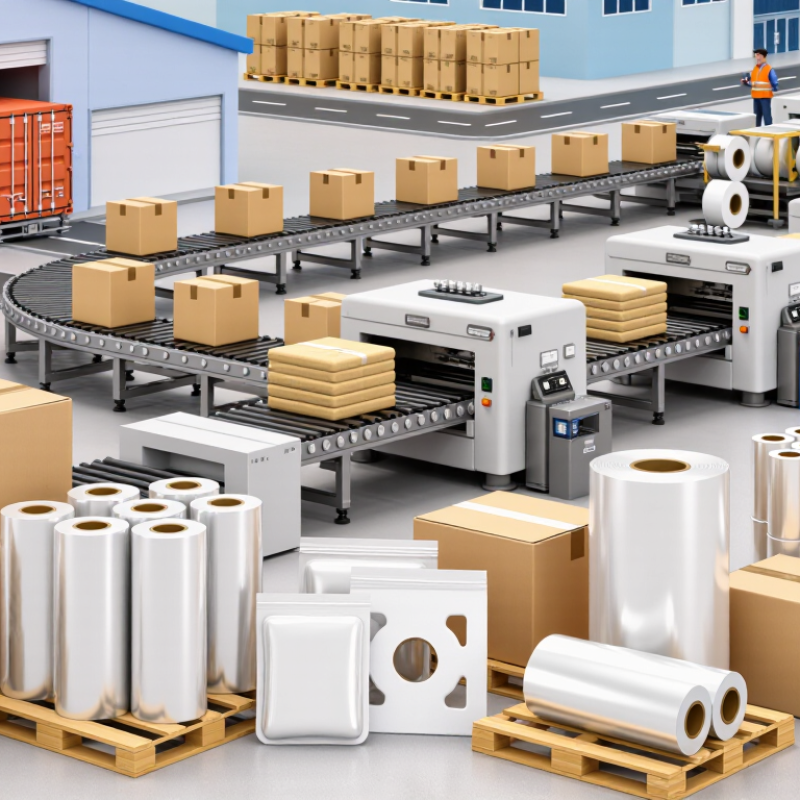
China offers a wide range of packaging supplies for retail, shipping, food, and industrial use. Corrugated cartons remain popular because they are lightweight, stackable, and easy to print. Suppliers also produce rigid gift boxes, folding cartons, kraft paper bags, padded mailers, and reusable fabric pouches. For fragile products, buyers can request molded pulp trays, foam inserts, honeycomb paper, or air-cushion protection.
Small details matter. A packaging supplier can adjust board thickness, flute type, moisture resistance, and closure style. Custom labels, paper tape, tamper-evident seals, and barcode stickers are also widely available.
In my sourcing experience, a sample box may look excellent but collapse after repeated stacking. Testing compression, drop resistance, odor, and print durability is essential. Do not trust appearance alone.
Flexible packaging includes stand-up pouches, roll film, shrink film, stretch wrap, and zippered bags. These options can reduce shipping space, but material selection needs careful review.
Food-contact packaging should have suitable documentation and comply with the destination market’s requirements. Recycled or compostable materials sound attractive, yet their real performance can vary. I once underestimated humidity during storage, and the paper cartons softened faster than expected. That mistake reinforced the value of climate testing, clear specifications, and inspection before shipment. Suppliers should also provide accurate dimensions, material details, production samples, and export documents. Practical verification is often less impressive than polished product photos.
Chinese packaging suppliers commonly work with corrugated cardboard, kraft paper, molded pulp, plastic films, aluminum foil, glass, and tinplate. Each material suits a different product and shipping condition. Corrugated cardboard protects cartons during stacking and long-distance transport. Its flute type affects strength, cushioning, and storage efficiency. Kraft paper provides a natural appearance, while coated paper supports sharper printing and smoother finishes.
Molded pulp is useful for trays, inserts, and protective corners. It can replace some foam applications, although its moisture resistance is limited. PET and PP films are lightweight and flexible. They often appear in pouches, wraps, and inner liners. PET offers good clarity and dimensional stability. PP tolerates heat better in some applications.
Aluminum foil provides an effective barrier against light, oxygen, and moisture. Glass gives products a premium feel, but its weight increases freight costs.
In practical sourcing work, I would request material specifications before comparing prices. Ask for paper weight, film thickness, seal strength, and recycled content. Samples should face drop, compression, moisture, and temperature checks. Laboratory reports also need verification, not blind trust. A package may look excellent but fail at the sealing edge. That happened during one sample review. The printed surface survived, yet the inner pouch leaked after repeated handling. Material selection needs product testing, not attractive photographs. Suppliers should also explain tolerances and production changes clearly. Some specifications remain imperfect, and buyers must question them.
What Are the Best Packaging Supplies from China?
How to Choose the Right Chinese Packaging Supplier
Chinese suppliers offer many practical packaging options, including corrugated cartons, paper mailers, tissue paper, labels, and molded pulp inserts. The best choice depends on product weight, shipping distance, storage conditions, and customer expectations. A low unit price means little if boxes arrive crushed or printing colors vary between batches.
Request physical samples before discussing large orders. Check board thickness, glue strength, folding accuracy, odor, and surface finish. Place a sample inside your actual product, then test it with stacking and short-distance drops. Ask whether the supplier controls printing, cutting, and assembly in-house. Production photos help, but a live video inspection is more convincing. Samples can mislead.
A reliable supplier should provide clear material specifications, test reports, production capacity, minimum order quantities, and realistic lead times. Confirm whether recycled content claims can be documented. Review factory certifications carefully, and verify that packaging meets the destination market’s safety and labeling requirements. Agree on approved color references and defect tolerances in writing. Keep communication records. Small details matter.
Do not choose only through a trading intermediary without understanding its role. An intermediary may be useful, but factory access and quality responsibility must remain clear. Compare several quotations using the same specifications, shipping terms, and inspection standards. No checklist catches everything. I would also keep a small trial order, because production problems often appear after approval, not before.
| Packaging Supply | Common Materials | Best Applications | Main Advantages | Important Limitations | Supplier Checks | Indicative Procurement Profile |
|---|---|---|---|---|---|---|
| Corrugated Boxes | Kraft linerboard, test liner, and fluted paperboard | E-commerce shipments, retail cartons, electronics, household goods, and food packaging | Lightweight, printable, stackable, widely recyclable, and available in several board grades | Performance decreases when exposed to prolonged moisture; oversized boxes can increase shipping costs | Confirm edge-crush strength, burst strength, flute type, board thickness, print quality, and compression-test results | Usually suitable for repeat production; custom printing and die-cutting may require minimum order quantities |
| Folding Cartons | Folding boxboard, solid bleached board, coated paperboard, and recycled paperboard | Cosmetics, pharmaceuticals, personal care products, small consumer goods, and retail shelves | Good surface quality, efficient flat-pack shipping, precise die-cutting, and strong branding space | Lower protection than corrugated boxes; coatings, foil, and mixed materials can complicate recycling | Check paperboard grammage, color consistency, folding accuracy, glue performance, and migration compliance where relevant | Best for medium or high-volume orders with approved artwork and a confirmed dieline |
| Stand-Up and Flat Pouches | PE, PP, PET, nylon, aluminum foil, paper, and multilayer laminates | Snacks, coffee, pet food, powders, liquid refills, and personal care products | Low material usage, compact storage, strong graphics, and options for high barrier protection | Multilayer structures are often difficult to recycle; seal defects can cause leakage or loss of barrier performance | Request seal-strength tests, oxygen and moisture transmission data, layer structure, leak testing, and food-contact documentation | Custom structures normally require testing and production trials before mass manufacture |
| Poly Mailers | LDPE, recycled polyethylene, or co-extruded polyethylene films | Apparel, soft goods, documents, and non-fragile e-commerce orders | Water-resistant, lightweight, space-saving, and generally less expensive to ship than rigid cartons | Provides limited puncture and impact protection; recycling availability depends on local collection systems | Verify film thickness, tear resistance, adhesive strength, recycled content, and packaging-law requirements in the destination market | Suitable for standardized sizes and recurring orders; custom printing may increase setup requirements |
| Rigid Plastic Containers | PET, HDPE, PP, or other application-specific plastics | Beverages, cosmetics, detergents, supplements, and food products | Good durability, moisture resistance, product visibility, and compatibility with closures and dispensing systems | Higher tooling cost for custom shapes; material selection must match the product and filling process | Confirm resin type, wall thickness, dimensional tolerance, drop-test results, closure fit, and chemical compatibility | Custom molds require tooling approval and can extend development time; standard shapes usually reduce risk |
| Glass Bottles and Jars | Soda-lime glass with metal, plastic, or compatible closure systems | Food, beverages, fragrances, cosmetics, and premium household products | Excellent product barrier, reusable or recyclable in suitable systems, and resistant to many chemicals | Heavy, breakable, and more expensive to transport; thermal shock and impact must be controlled | Inspect for cracks, bubbles, dimensional variation, closure compatibility, wall thickness, and pallet protection | Standard molds can simplify sourcing; custom molds require approved drawings, samples, and tooling terms |
| Protective Foam and Inserts | EPE, EVA, EPS, polyethylene foam, molded pulp, or paper honeycomb | Electronics, glassware, machinery parts, instruments, and fragile products | Reduces vibration, abrasion, and impact damage; can be designed around the product geometry | Some foams have limited recycling routes; incorrect density or fit can reduce protection | Request compression, rebound, drop-test, density, odor, and dimensional-accuracy data | Prototype testing is essential; tooling may be needed for molded inserts and custom protective structures |
| Paper Bags and Tissue Packaging | Kraft paper, recycled paper, tissue paper, cotton or paper handles, and water-based inks | Retail shopping, apparel, gifts, bakery products, and secondary packaging | Renewable fiber option, attractive print surface, flat storage, and suitable for many retail applications | Sensitive to moisture and excessive loads; laminated or heavily coated versions may reduce recyclability | Check paper grammage, handle attachment, bottom construction, load testing, ink type, and moisture resistance | Generally efficient for repeat production; size, handle style, and printing method affect order economics |
Quality should be measured before customization begins. Reliable suppliers should provide material specifications, production samples, and recent inspection records. Ask about paper thickness, board strength, ink safety, adhesive performance, and moisture resistance. For shipping cartons, request drop tests and compression tests using your actual product weight. A beautiful box can still fail during a humid sea journey.
Customization can include dimensions, folding structures, closures, window cutouts, inserts, coatings, and printed artwork. Share accurate product measurements and packing requirements early. A supplier can then recommend suitable board grades and protective structures. Request a prototype before mass production. Check color, edges, printing alignment, odor, and assembly speed. Standards vary by destination, so confirm applicable packaging and product-contact requirements with a qualified compliance specialist.
Tips: Keep one approved sample for comparison. Define acceptable color and size tolerances in writing. Confirm the minimum order quantity, mold charges, sampling time, and inspection process. Independent pre-shipment checks may reduce costly surprises. Small color shifts can happen, even with approved artwork. That deserves attention. In my experience, many problems begin with unclear files or rushed approvals, not poor production alone. I still find that “perfect” customization is unrealistic; practical packaging balances appearance, protection, cost, and repeatability.
China offers a wide range of packaging supplies, including corrugated cartons, molded-pulp inserts, paper mailers, and stretch film. In procurement practice, the cheapest unit price rarely delivers the lowest landed cost. A first-pass cost model often looks too clean. It should include tooling, samples, inland transport, export documentation, ocean freight, insurance, duties, taxes, and destination handling fees.
UNCTAD’s Review of Maritime Transport 2024 states that ships carry over 80% of global merchandise trade by volume. However, rerouting, port congestion, and fuel changes can quickly affect delivery schedules.
For small orders, consolidated sea freight may reduce cost but adds handling and delay risks. Full-container shipping offers better control when carton dimensions and order volume are stable. Air freight suits urgent samples, not routine replenishment.
Importers should confirm the correct HS classification before ordering. Duties depend on the product, material, and destination market. Ask the supplier for a commercial invoice, packing list, bill of lading, and accurate material descriptions.
Wooden pallets may require ISPM 15 treatment. Packaging that touches food, cosmetics, or children’s products can require additional compliance evidence.
Smithers’ The Future of Global Packaging to 2028 places the global packaging market above one trillion dollars, but market size does not remove buyer responsibility. Request pre-shipment samples, measure compression strength, and test moisture resistance.
Small errors become expensive at the port.