
Why is Book Printing Inspection Essential for Quality Control?

Book Printing Inspection plays a critical role in ensuring the quality of printed materials. According to industry expert John Smith, "Effective inspection can make or break a print job." This highlights the importance of meticulous checks during the printing process.

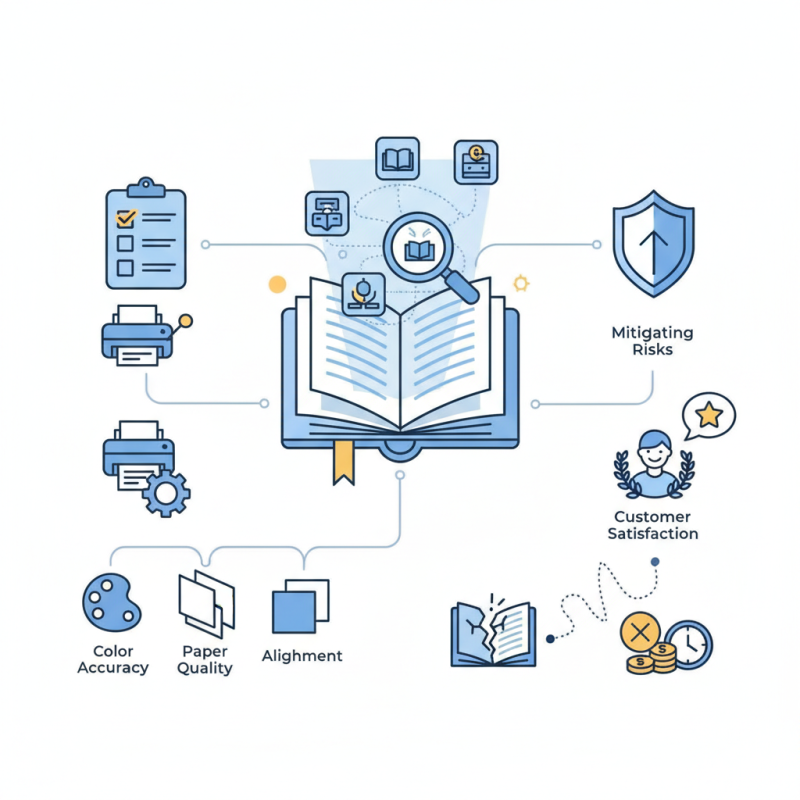
Books are more than just printed pages; they represent ideas, stories, and knowledge. Any flaws in quality can harm the reader's experience. Therefore, Book Printing Inspection must focus on elements like color accuracy, alignment, and paper quality. Attention to detail is vital.

However, challenges persist. Not all printing companies prioritize quality checks. Some might cut corners, thinking they can save time or reduce costs. This approach can lead to subpar products. Establishing a robust inspection process helps mitigate these risks. Adopting a comprehensive inspection regimen ensures that every book meets industry standards, ultimately enhancing customer satisfaction.
Why is Book Printing Inspection Essential for Quality Control?

Importance of Book Printing Inspection in the Publishing Process

In the publishing process, book printing inspection plays a vital role in ensuring quality. A report from the Book Industry Study Group found that 70% of readers prioritize quality over price. Poorly printed books can lead to negative reviews and lower sales. This highlights the need for comprehensive inspection practices in printing.

Implementing a solid inspection process helps catch issues early. Color misalignment, paper quality, and binding flaws often go unnoticed. These problems can lead to costly reprints. Professionals suggest routine quality checks at various stages of printing to maintain standards.

Tips: Use a checklist during inspections. Verify colors against samples. Regularly train staff on spotting defects. Remember, even small errors can impact reader satisfaction. Quality control should never be overlooked. It’s essential for lasting success in the competitive publishing landscape.

Key Factors Affecting Quality Control in Book Printing

In book printing, quality control is paramount. Various factors influence this process. For instance, the paper type impacts print quality significantly. According to industry studies, using high-quality paper can enhance ink absorption and color accuracy by up to 30%. This leads to better finished products that meet reader expectations.

Another critical factor is the inspection of color consistency. Color variances can occur during printing. A report from the Printing Industries of America indicates that nearly 20% of print jobs have issues related to color mismatch. Implementing regular checks ensures that books maintain the intended color palette.

Tips: Regularly calibrate your printing equipment. This can prevent common issues related to alignment and color. Always keep samples from each print run for comparison. Inconsistencies should be addressed immediately to avoid larger problems later. Emphasizing these elements can prevent costly reprints and unsatisfied customers. Frequent communication among the production team can also enhance overall quality assurance.

Common Issues Detected During Book Printing Inspections

Book printing inspections play a crucial role in ensuring quality. During this process, various common issues can arise, impacting the final product. One of the most notable problems is ink smudging. It often occurs when the printed pages do not dry properly. This can lead to unreadable text or blurred images. Another issue is misalignment. Pages may not line up as intended, causing a disjointed look that distracts from the content. Additionally, paper quality can be inconsistent, leading to variations in texture and color.

Tips: Always monitor the printing environment. Humidity and temperature can affect ink drying and paper quality. Regular equipment maintenance is essential to prevent these issues.

Binding flaws are another area of concern. A book might have loose pages or misaligned covers, which detracts from its professional appearance. In some cases, the margins may be incorrectly sized, leading to cut-off text. These minor details can significantly affect the reader's experience.

Tips: Regularly check sample prints before mass production. This can help catch errors early in the process. Maintaining clear communication with the printing team can also reduce misunderstandings related to design specifications.

Techniques and Technologies Used in Book Printing Inspection

Book printing inspection plays a crucial role in ensuring quality control. Various techniques and technologies are employed in this process. One essential method involves the use of color management systems. These systems help maintain consistent color quality throughout the printing run. According to recent industry reports, 30% of printing errors stem from color misalignment. This statistic emphasizes the need for precise calibration and inspection.


Another important technology is automated inspection systems. These systems utilize cameras and sensors to detect defects in real-time. They can identify issues such as misprints, ink smudges, and alignment errors. A report from the Printing Industries of America indicates that automated inspection can reduce defect rates by up to 50%. It allows publishers to catch mistakes early, minimizing waste and reprints.


Despite advancements, human oversight remains crucial. Automated systems may miss subtle quality issues that an experienced inspector would catch. For example, variations in paper texture or finish may not be detected by a machine. Balancing technology with human expertise can lead to higher quality outcomes. The book printing industry still requires ongoing reflection on improving inspection processes.

Impact of Quality Control on Reader Experience and Publisher Reputation

Quality control in book printing significantly influences both reader experience and publisher reputation. When readers open a book, they expect a seamless journey. They notice errors, misprints, or inconsistencies. Such mistakes can detract from their enjoyment. An imperfect book can lead to disappointment. This, in turn, may discourage readers from exploring more titles from the same publisher.

A publisher's reputation hinges on the quality of their products. A single poorly printed book can tarnish a brand's image. Readers share their experiences online. Negative reviews can spread quickly. A publisher must consider not just the print quality, but also the entire presentation. Every detail matters, from the cover to the binding.

Tip: Always conduct a final review before printing. Look out for alignment issues or color mismatches.

Quality issues can reflect poorly on the entire publishing process. If readers consistently encounter problems, they may seek alternatives. Small errors accumulate and can lead to a loss of trust. Publishers should prioritize thorough inspections to uphold standards.

Tip: Engage a second pair of eyes during the inspection phase. Fresh perspectives can help identify overlooked flaws.

Impact of Quality Control in Book Printing