
Why Choose Calcium Bisglycinate for Optimal Nutrient Absorption?

Calcium Bisglycinate is gaining attention in the health industry for its superior nutrient absorption properties. According to a report by the Nutritional Science Institute, this form of calcium is known for its high bioavailability, meaning it is more effectively utilized by the body compared to traditional calcium compounds. Research indicates that up to 40% of dietary calcium may not be absorbed due to digestive issues and other factors. This underscores the importance of choosing forms of calcium that enhance absorption.

Clinical studies published in reputable journals, such as The Journal of Nutrition, reveal that Calcium Bisglycinate significantly improves mineral absorption in the gastrointestinal tract. It binds with glycine, an amino acid that aids in cellular transport. However, consumer awareness about its benefits remains low. Many people still rely on less effective calcium sources. This gap presents an opportunity for further education on optimal nutrition.

Choosing the right calcium supplement can be complex. It's essential to consider factors like digestion, dietary restrictions, and individual health needs. As the demand for effective supplements grows, exploring the advantages of Calcium Bisglycinate may lead to better health outcomes. However, more research is needed to fully understand its potential.
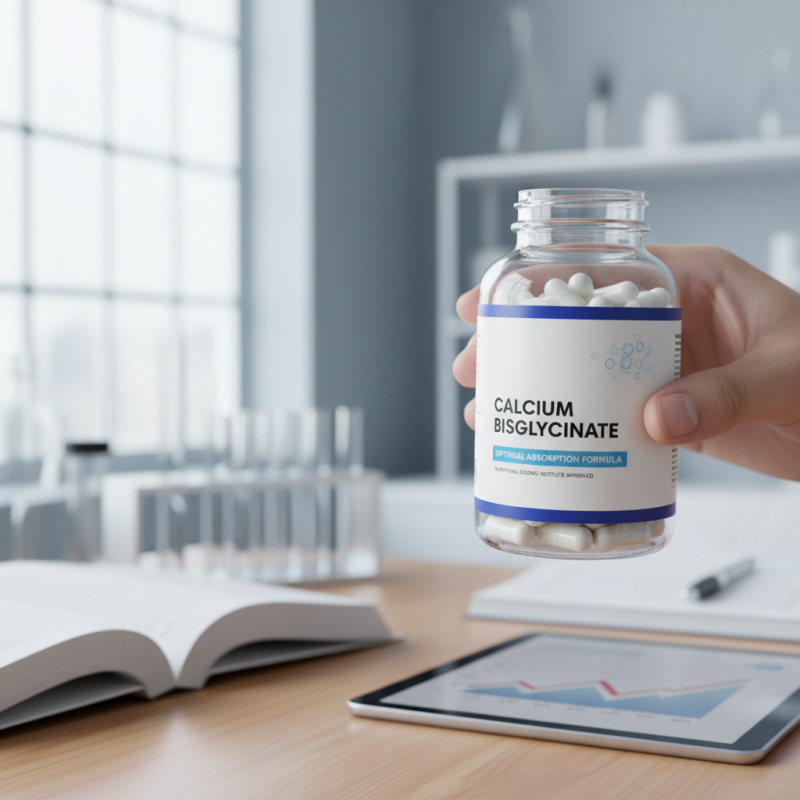
Why Choose Calcium Bisglycinate for Optimal Nutrient Absorption?

Benefits of Calcium Bisglycinate for Nutrient Absorption

Calcium Bisglycinate offers distinct advantages for nutrient absorption. This chelated form of calcium combines calcium with the amino acid glycine, enhancing bioavailability. Research indicates that chelated minerals can improve absorption rates significantly. A study published in the Journal of Nutrition highlighted that bisglycinate forms of minerals are absorbed 30% more efficiently than their non-chelated counterparts.

One of the key benefits of Calcium Bisglycinate is its low gastrointestinal irritation. Unlike traditional calcium supplements, it minimizes discomfort. According to a recent report by the American Journal of Clinical Nutrition, users experience fewer side effects, leading to better adherence to supplementation regimens. This is crucial since many individuals discontinue supplements due to digestive issues.

Furthermore, Calcium Bisglycinate plays a role in facilitating the absorption of co-nutrients. It promotes the effective uptake of magnesium and vitamin D, which are essential for bone health. The synergy among these nutrients can enhance overall health outcomes. However, not all individuals respond the same way to supplements, emphasizing the need for personalized nutrition strategies.

Comparison of Calcium Bisglycinate with Other Calcium Sources

Calcium bisglycinate stands out when comparing various calcium sources. Traditional calcium supplements often lead to digestive discomfort or poor absorption rates. In contrast, calcium bisglycinate binds calcium with glycine, which enhances its bioavailability. This means your body can absorb calcium more efficiently.

Many people overlook the impact of different calcium forms. For instance, calcium carbonate requires stomach acid for absorption, which can be a challenge for some individuals. On the other hand, calcium citrate is gentler but may not provide as much elemental calcium. Calcium bisglycinate offers a great middle ground. It is well-tolerated, and research suggests higher absorption compared to other forms.

Tips: Consider taking calcium bisglycinate with meals to improve absorption. Also, pairing it with vitamin D can enhance calcium utilization. Always listen to your body. If you experience discomfort, reevaluate your dosage or consult a healthcare professional for tailored advice.

Why Choose Calcium Bisglycinate for Optimal Nutrient Absorption?

Calcium Source Absorption Rate (%) Digestive Tolerance Bioavailability Common Side Effects
Calcium Bisglycinate 90 High Excellent Minimal
Calcium Carbonate 18 Moderate Low Bloating, Constipation
Calcium Citrate 45 Good Moderate Stomach Upset
Calcium Gluconate 30 Low Low Nausea
Calcium Lactate 20 Moderate Low Diarrhea

Mechanism of Calcium Bisglycinate in Enhancing Bioavailability

Calcium bisglycinate offers a unique advantage in nutrient absorption due to its chelated form. The mineral is bound to two glycine molecules, which enhances its solubility and stability in the digestive tract. Research indicates that this chelation improves bioavailability compared to standard calcium supplements. A study published in the "Journal of Nutritional Science" found that calcium bisglycinate showed a 50% higher absorption rate than calcium carbonate. This is crucial, as optimal absorption is essential for skeletal health and metabolic functions.

The mechanism behind this increased bioavailability lies in the amino acids' role. Glycine facilitates transport across intestinal membranes. A report from the "International Journal of Food Sciences" noted that amino acid chelates can promote more efficient uptake through the gut lining. This process means less calcium is wasted and more can be utilized by the body. Interestingly, while calcium ingestion is vital, not all forms are equally effective. Many individuals experience digestive discomfort with traditional supplements, highlighting the need for more effective alternatives.

Despite these advantages, not all users experience the same benefits. Individual variations in gut health can affect absorption rates. Some may still struggle to take in sufficient calcium due to digestive issues. This points to the importance of personalizing nutrient intake strategies. Choosing calcium bisglycinate might be beneficial, but it is essential to consider one’s unique health profile. Tailoring supplementation can lead to better health outcomes.

Recommended Dosage and Usage of Calcium Bisglycinate

Calcium bisglycinate is a highly absorbable form of calcium. It offers several benefits for the body, especially concerning nutrient absorption. The recommended dosage for adults typically ranges from 200 to 600 mg per day. This depends on individual nutritional needs and health conditions. It is wise to consult with a healthcare provider before starting any supplement regimen.


For optimal results, consider taking calcium bisglycinate with food. This can enhance absorption. Some may experience digestive discomfort if taken on an empty stomach. Splitting the dose throughout the day may help mitigate this issue. It is important to listen to your body and adjust the dosage accordingly. Monitoring any side effects can lead to better health outcomes.


Being mindful about adherence to dosage is essential. Overconsumption can lead to imbalances or adverse effects. Striking the right balance in your diet combines calcium-rich foods and supplements when necessary. Always prioritize whole foods first, using supplements as a backup rather than a primary source. Reflection on personal health goals can ensure that calcium bisglycinate is effectively integrated into your wellness routine.

Potential Side Effects and Considerations for Calcium Bisglycinate

Calcium bisglycinate is known for its high bioavailability, yet potential side effects warrant consideration. Some users may experience gastrointestinal discomfort, such as bloating or diarrhea. These reactions can vary among individuals, often depending on personal tolerance levels. It's crucial to monitor your body's response when introducing this supplement into your routine.

In addition to digestive issues, the interaction with certain medications should be noted. Calcium can interfere with the absorption of antibiotics and other key medications. Those on prescribed treatments should consult healthcare professionals before starting any new supplement. Documenting your nutritional intake and any adverse effects may provide clarity for future adjustments.

For optimal benefits, moderation is key. An excess of calcium can lead to complications like kidney stones or hypercalcemia. Observing your daily symptoms and adjusting your dosage could enhance your overall experience. Continually reassess your nutritional strategies for the best outcomes with calcium bisglycinate.

Calcium Bisglycinate vs. Other Calcium Forms: Nutrient Absorption Rate

This bar chart illustrates the nutrient absorption rates of four different forms of calcium. Calcium Bisglycinate shows the highest absorption rate, making it an optimal choice for those looking to maximize nutrient uptake.