Carton packaging plays a crucial role in various industries. It offers a practical and eco-friendly solution for product protection. This type of packaging is lightweight yet durable, making it a popular choice among manufacturers.
The significance of carton packaging extends beyond mere protection. It acts as a marketing tool, enhancing brand visibility on store shelves. The printed designs on cartons can attract consumers and tell a compelling story about the product inside. However, not all carton designs succeed in this aspect. Some fail to communicate the brand message effectively, leading to missed opportunities.
Moreover, while carton packaging is generally more sustainable compared to plastic, the production process can still raise concerns. Questions about the sourcing of materials and the carbon footprint remain. It's important for companies to continuously evaluate their practices. This ensures they contribute positively to both the environment and their brand image.
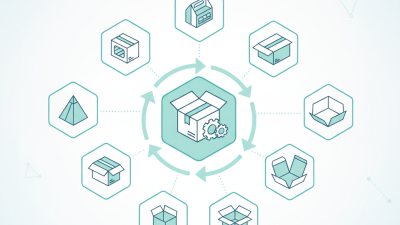
Carton packaging is a versatile solution used across various industries. It comes in different forms, such as folding cartons, rigid cartons, and corrugated boxes. Each type serves unique purposes. Folding cartons are often used for retail products like cereal and cosmetics. Rigid cartons, which are sturdier, are typical for luxury items. Corrugated boxes, made of multiple layers, are ideal for shipping.
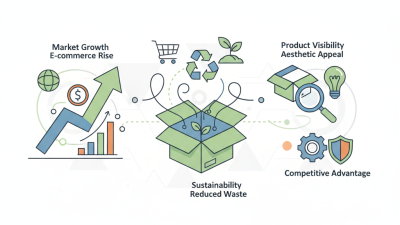
According to a recent market report, the global carton packaging market is projected to grow at a CAGR of 4.7% from 2023 to 2030. This growth highlights the increasing demand for sustainable packaging solutions. Consumers prefer eco-friendly options, which carton packaging often provides. It uses recyclable materials, aligning with the global sustainability trends.
Despite its benefits, not all carton packaging is created equal. Some designs may lead to wasted space during shipping. Inadequate structural integrity can result in product damage. The challenge lies in optimizing designs for functionality and environmental impact. As the industry evolves, companies need to rethink their approaches to carton packaging. Balancing cost-effectiveness and sustainability is an ongoing debate.
| Type of Carton Packaging | Description | Advantages | Common Uses |
|---|---|---|---|
| Folding Cartons | Made from paperboard, these cartons are flat and can be folded into shape. | Cost-effective, customizable, and lightweight. | Food products, cosmetics, and pharmaceuticals. |
| Rigid Boxes | Sturdy cartons made from thick paperboard, providing a premium appearance. | Durable and ideal for high-value products. | Luxury goods, electronics, and specialty items. |
| Corrugated Boxes | Consist of three layers: an outer liner, a fluted layer, and an inner liner. | Strong, lightweight, and great for shipping. | Shipping and storage of various goods. |
| Paperboard Boxes | Made from a thicker paper product often used for containerizing. | Eco-friendly and recyclable, suitable for lightweight items. | Consumer goods, retail products, and crafts. |
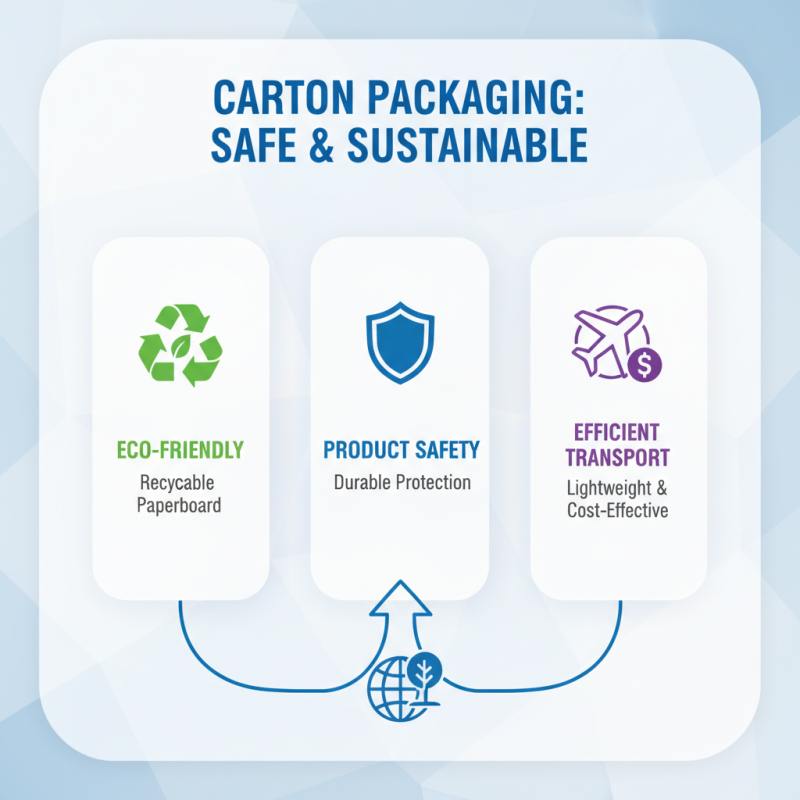
Carton packaging plays a vital role in product safety and transport. The choice of materials is crucial. Typically, paperboard is the primary material. It is lightweight yet durable. This helps reduce shipping costs. Moreover, paperboard is recyclable, contributing to sustainability.
Another common material is corrugated fiberboard. It consists of a fluted inner layer sandwiched between two flat liners. This design offers superior protection against impacts and compression. It's often used for heavier items. Unfortunately, not all corrugated packaging is made equal. Some may fail under stress, compromising the product inside.
Additionally, inks and adhesives are important. They enhance the carton’s appearance and functionality. Eco-friendly inks are gaining traction as people prioritize environmental health. However, finding the right balance between effectiveness and sustainability remains a challenge. Packaging must look good but also meet practical requirements. Each choice shapes the end product's success.
Carton packaging plays a vital role in the modern supply chain. It serves as a protective layer, ensuring products reach consumers in good condition. This packaging is lightweight and cost-effective, reducing shipping expenses for businesses. Companies can also customize designs, enhancing brand visibility on store shelves.
For consumers, carton packaging offers convenience. Many cartons are easy to open and store, making them user-friendly. They often come with clear labeling, which helps consumers make informed choices. However, not all carton designs are eco-friendly, raising concerns about sustainability. Manufacturers need to reflect on their materials and processes to ensure minimal environmental impact.
In addition to functionality, carton packaging can influence buying decisions. Attractive designs can draw customers in. Yet, overly complex packaging can lead to confusion or waste. Balancing aesthetics with practicality is crucial. Business owners must consider these factors to enhance both consumer satisfaction and brand loyalty.
Carton packaging plays a crucial role in sustainability efforts across various industries.
It often consists of recycled materials, making it an eco-friendly alternative to plastic.
According to a report by Smithers Pira, over 80% of the raw materials used for carton packaging come from recycled sources.
This statistic emphasizes the lower impact carton packaging has on natural resources.
However, the production process isn’t entirely green. Some carton manufacturing processes can be energy-intensive.
The carbon footprint associated with the transportation of these materials must also be considered.
A recent study found that transportation contributes significantly to the overall environmental impact of packaging.
Moreover, the end-of-life stage of carton packaging presents challenges.
Although many cartons are recyclable, contamination with food waste often hinders this process.
According to the Association of Plastic Recyclers, nearly 40% of recyclable material fails to get recycled due to contamination.
This highlights a need for improved waste management practices.
Ultimately, while carton packaging is a step in the right direction, continuous reflection on its environmental impact is essential for achieving true sustainability.
The carton packaging industry is constantly evolving. New designs are emerging, driven by consumer demand for sustainability. Lightweight materials are on the rise. They minimize waste and reduce shipping costs. Many cartons now feature innovative closures that enhance usability. These changes show a shift towards user-friendly packaging.
Sustainable practices are a major trend. Biodegradable inks and recycled materials are gaining popularity. This shift reflects a growing awareness of environmental issues. However, some producers still struggle with implementing these methods. Ensuring durability while staying eco-friendly is no easy task. Many companies face resistance from traditional methods.
Technology is another key player in carton packaging. Digital printing allows for personalized designs. This is especially attractive for marketing special editions. Yet, the transition to digital can be a challenge for smaller businesses. They may lack the resources for such advancements. Balancing quality and cost remains a significant concern. The future looks promising, but reflection on these challenges is necessary.
This chart demonstrates the distribution of market share in the carton packaging industry across various sectors in 2023. The food and beverage sector dominates the market, highlighting the importance of innovative carton solutions to meet consumer and regulatory demands.