
The global market for Tube Square Steel is expanding rapidly. Industry reports indicate that the demand for these products is expected to grow by 5.8% annually over the next five years. This growth highlights the significance of quality options available in China. As a leading producer, China offers diverse solutions tailored to international buyers.
Expert Jin Wei, a recognized authority in the steel industry, stated, "Quality tube square steel is the backbone of modern construction." His insights underscore the essential role of this material in various applications. Industries ranging from architecture to infrastructure rely heavily on it.
However, challenges persist in ensuring consistent quality standards. Some suppliers struggle to meet the rigorous demands of global buyers. Continuous quality improvement and compliance with international regulations remain critical. The commitment to producing high-quality Tube Square Steel is what sets successful manufacturers apart from the rest. Engaging with these reputable providers can make a significant difference in project outcomes.
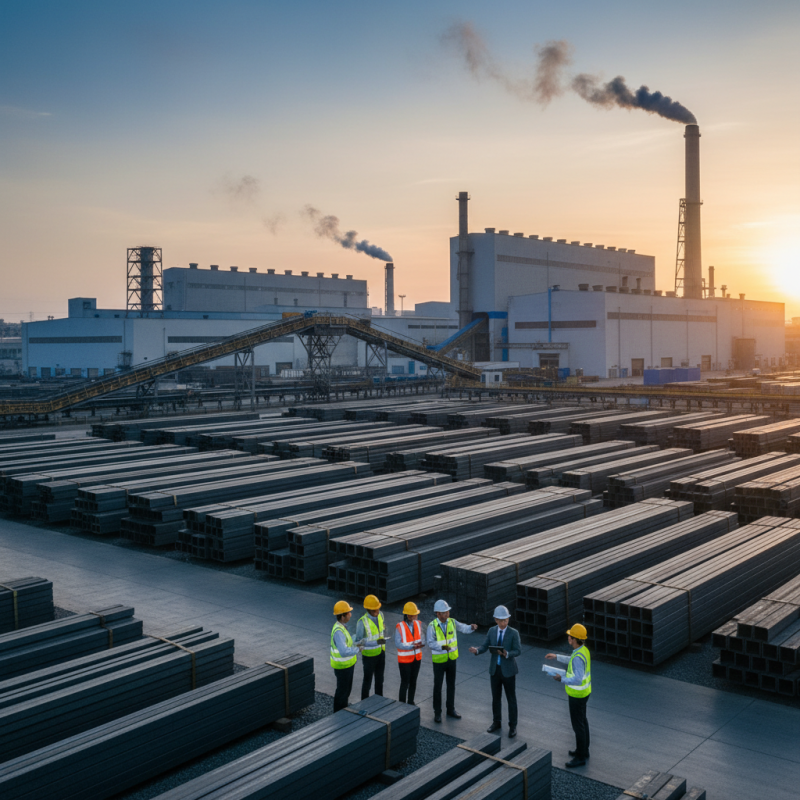
China has carved a significant niche in the global square steel tube market. The country boasts a mix of advanced manufacturing capabilities and a vast supply chain. This combination allows Chinese manufacturers to produce quality products efficiently. Companies in China are using cutting-edge technology to enhance production processes. They maintain strict quality control measures, ensuring the end product meets worldwide standards.
Despite these strengths, challenges remain. Some manufacturers struggle with inconsistency in quality across batches. This can lead to buyer concerns when sourcing large quantities. Moreover, fluctuating costs of raw materials can impact pricing stability.
Buyers looking for long-term partnerships must remain vigilant. They should assess the reliability of suppliers thoroughly. It's important to investigate production practices and read reviews before making decisions. Ensuring the best quality remains a priority for global buyers in this competitive landscape.
When considering square steel tubes from China, quality standards stand at the forefront. These standards are crucial for global buyers. According to a report by the Global Steel Institute, Chinese manufacturers produced about 830 million metric tons of steel in 2022. A significant portion of this consists of square steel tubes, which are vital in construction, automotive, and manufacturing sectors.
Quality assurance in the production of square steel tubes includes rigorous testing. The industry uses various standards, including GB/T 6728-2002 and GB/T 3091-2001. These standards govern dimensions, tolerances, and mechanical properties. They ensure that tubes can withstand varying loads and stresses. However, inconsistencies can arise. Some manufacturers might cut corners to reduce costs, leading to inferior products entering the market.
Moreover, certification from recognized bodies plays a key role. According to the Bureau Veritas report, only 48% of Chinese manufacturers meet international quality certifications like ISO 9001. This statistic raises concerns for buyers seeking reliable suppliers. Ultimately, assessing quality involves more than just certifications; it necessitates a deeper understanding of the manufacturing processes and supply chain reliability. Quality standards are a foundation, but the pursuit of excellence must continue.
| Dimension (mm) | Wall Thickness (mm) | Material Grade | Yield Strength (MPa) | Tensile Strength (MPa) | Standard Compliance |
|---|---|---|---|---|---|
| 50 x 50 | 3 | Q235 | 235 | 400-520 | GB/T 6728-2002 |
| 40 x 40 | 2.5 | Q195 | 195 | 325-450 | GB/T 6728-2002 |
| 60 x 60 | 4 | S235JR | 235 | 410-550 | EN 10025-2 |
| 80 x 80 | 5 | ST37-2 | 370 | 540-720 | DIN 2395 |
China has emerged as a key player in the global steel market, particularly in the square steel tube sector. According to a report by the World Steel Association, China produced over 1 billion metric tons of steel in 2022, which accounts for more than half of the world's total production. This scale provides Chinese manufacturers with the ability to offer competitive pricing, but it raises questions regarding quality standards and sustainability.
When comparing China's square steel tubes to alternatives from Europe and North America, there are notable differences. A report by the American Iron and Steel Institute indicated that American-made steel often meets stricter environmental compliance standards. However, the cost of production tends to be higher. In contrast, while Chinese square steel tubes may be more affordable, concerns about quality consistency and material integrity have surfaced. Some suppliers may prioritize volume over quality, leading to potential issues with durability.
Buyers seeking options must carefully weigh cost against quality. China's market offers a vast selection, but understanding the specifications and sourcing requirements is crucial. An investment in trusted suppliers and rigorous quality checks can mitigate risks associated with low-cost alternatives. The challenge lies in finding reliable options that meet both budgetary constraints and quality expectations.
The demand for square steel tubes is rapidly increasing in construction and manufacturing sectors. According to a market research report by Grand View Research, the global square steel tube market is projected to reach $80 billion by 2025. This growth aligns with ongoing urbanization trends and infrastructural developments globally.
Square steel tubes are favored for their strength and versatility. They provide structural integrity in building frameworks and industrial applications. The construction industry, in particular, has seen a shift towards using square tubes in scaffolding and support systems due to their ability to withstand heavy loads. However, the sourcing of high-quality materials remains a challenge for many buyers. Reports indicate that subpar products can lead to safety risks and increased project costs.
It’s critical for buyers to prioritize quality over cost. Research highlights discrepancies in production standards across regions. Poor-quality square steel tubes can corrode quickly, leading to project failures. Collaborating with reputable suppliers is essential to ensure reliable products.
Rigorous testing and certification should be standard practices in procurement. The responsibility lies with buyers to assess not just pricing but also quality assurances to meet their construction needs effectively.
Sourcing square steel tubes from China has become a strategic choice for global buyers. China leads in production, accounting for over 50% of the world’s steel output. This dominance offers competitive pricing and diverse options. However, quality varies widely among manufacturers, making careful sourcing essential.
Tips for sourcing: Always request certifications. Look for ISO standards or quality assurance from suppliers. Verifying the manufacturing process can prevent costly mistakes. Additionally, consider conducting factory audits to assess production capabilities.
Trade reports show that square steel tubes are used widely in construction, automotive, and machinery sectors. The market expects a steady growth rate of around 3.5% annually. However, fluctuating raw material prices can impact manufacturing costs. Suppliers may face challenges in maintaining consistent quality during these fluctuations.
Another tip: Establish clear communication with suppliers. Ensure specifications are understood and agreed upon. Misunderstandings can lead to delays or defects in the final products. Building strong relationships in the supply chain can enhance reliability.