
China Best Eco Friendly Pharmaceutical Packaging at Canton Fair?

The demand for Eco Friendly Pharmaceutical Packaging is growing rapidly. Recent studies show that sustainable packaging solutions can reduce environmental impact significantly. As highlighted by Dr. Emily Chen, a leading expert in green packaging technologies, "Adopting eco-friendly materials is not just a trend; it’s essential for the future of the pharmaceutical industry."

The upcoming Canton Fair will showcase innovations in this area. From April 15 to 19, 2026, manufacturers will present advanced eco-friendly options. The AI-driven features at the fair will streamline the search for qualified suppliers. This efficiency could ignite a shift toward greener practices in pharmaceutical packaging.

Nevertheless, challenges remain. Many pharmaceutical companies still rely on traditional packaging materials. Awareness of sustainable alternatives needs to increase. The market must push for more affordable eco-friendly options to encourage widespread adoption. The path forward requires collaboration and commitment from all stakeholders involved.
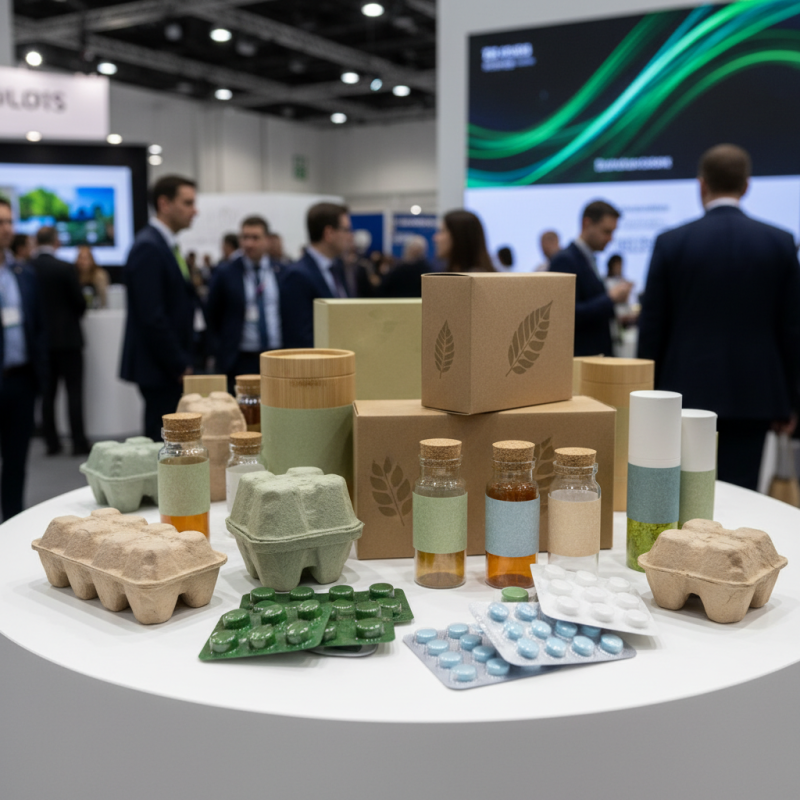
China Best Eco Friendly Pharmaceutical Packaging at Canton Fair?

China's Pharmaceutical Packaging Market Overview: Trends and Innovations

The pharmaceutical packaging market in China is evolving rapidly. According to a recent report, the market size is projected to reach $35 billion by 2025. Sustainability is driving innovation. Eco-friendly materials are now a focus for many manufacturers. Recent studies indicate that 55% of pharmaceutical makers are prioritizing green packaging solutions.

Innovations are visible everywhere. Biodegradable materials like cornstarch and recycled paper are gaining traction. These options reduce environmental impact significantly. However, challenges remain. The durability and safety of these materials can be a concern. Adopting these new technologies requires careful consideration. The industry must balance sustainability with functionality.

Consumer awareness is rising. People care about eco-friendly options now more than ever. The market reflects this shift. In surveys, 70% of consumers prefer products with sustainable packaging. They believe it reflects a company's commitment to the environment. Despite this trend, not all companies are making the leap. Awareness and action need alignment for real progress. The evolution of this market continues to be a work in progress, with room for improvement.

The Role of Eco-Friendly Materials in Pharmaceutical Packaging Development

As the demand for sustainable practices grows, eco-friendly materials are becoming crucial in pharmaceutical packaging development. Traditional materials often contribute to environmental harm. In contrast, bioplastics and recycled materials offer a promising alternative. They help reduce landfill waste and energy consumption. However, integrating these materials requires careful consideration of their functionality and safety.

The transition to eco-friendly packaging is not without its challenges. Some biodegradable materials might not protect products as well as conventional options. This raises questions about shelf life and product safety. Companies must balance sustainability with the need for effective protection. Consumer education plays a vital role here. Many people still associate packaging with safety and quality, creating a hurdle for eco-friendly options.

Venture into eco-friendly solutions might seem daunting. Yet, the innovation in this field is palpable. Many developers experiment with new materials, striving for a balance between environmental responsibility and product efficacy. Collaboration among industry players can expedite advancements. The road ahead is complex, but the potential for meaningful impact remains strong.

Trends in Eco-Friendly Pharmaceutical Packaging Materials

Sustainability Metrics: Assessing the Impact of Eco-Friendly Packaging

As sustainability becomes more essential, eco-friendly pharmaceutical packaging gains attention. It plays a significant role in reducing environmental impact. Not only does it address pollution, but it also conserves resources. This packaging often uses biodegradable materials, which decompose naturally. It is exciting to see how these innovations evolve.

To measure the effectiveness of eco-friendly packaging, several metrics come into play. A life cycle assessment evaluates every stage of the packaging process. This includes raw material extraction, production, usage, and disposal. Consumers value transparency in these metrics. They want to know the environmental footprint of their medications.

Tips for choosing the right packaging are crucial. Look for certifications that indicate sustainability. Consider the durability of materials; fragile options might not be suitable for all products. Also, think about supply chain practices. Ensure that the production methods align with eco-friendly goals. These decisions can create a positive impact. Small changes lead to significant results over time.

Key Manufacturers Showcasing Eco-Friendly Solutions at the Canton Fair

The Canton Fair is a major platform for showcasing innovative solutions. This year, the focus is on eco-friendly pharmaceutical packaging. Many manufacturers are presenting new designs that prioritize sustainability. These solutions aim to reduce plastic waste while ensuring product safety.


Visitors can see a variety of materials used in these eco-friendly packages. Biodegradable films and recycled materials are common themes. Some booths highlight how these materials can maintain drug efficacy without harming the environment. However, there is still room for improvement. Not all materials are fully biodegradable, and some options may have limited availability.


Many companies are experimenting with different concepts. Changes in design can enhance user experience and provide better protection for pharmaceuticals. Yet, some struggles remain, such as balancing cost and sustainability. It’s clear more research and development is needed in this area. Overall, the shift to eco-friendly solutions is promising, but challenges persist.

Future Outlook: Increasing Demand for Sustainable Pharmaceutical Packaging

The pharmaceutical industry faces growing pressure to adopt eco-friendly packaging. Recent data from the World Health Organization indicates that sustainable packaging can significantly reduce plastic waste. By 2025, the market for sustainable pharmaceutical packaging is projected to reach $17.9 billion. This shift is essential as the adverse environmental impacts of traditional packaging continue to raise concerns.

The demand for eco-friendly solutions is evident. A report from Smithers states that 61% of consumers prefer brands that prioritize sustainability. This preference creates opportunities for companies willing to innovate. Yet, many are unsure how to transition effectively. The packaging landscape is constantly evolving, and not every solution is ideal for every product.

Tips: When considering sustainable options, look for materials that are biodegradable. Research local recycling capabilities. Conduct life cycle assessments to ensure the best choices are made. Small changes today can lead to significant improvements tomorrow. Packaging should protect products while being kind to the planet. However, the challenge remains—balancing cost and sustainability is not simple, and there is much to learn as we move forward.

China Best Eco Friendly Pharmaceutical Packaging at Canton Fair? - Future Outlook: Increasing Demand for Sustainable Pharmaceutical Packaging

Packaging Type Material Used Biodegradable Recyclable Market Demand (%) Future Growth (2025 Proj.)
Pharmaceutical Blister Packs PLA (Polylactic Acid) Yes Yes 40% 20% CAGR
Glass Vials Recycled Glass No Yes 30% 15% CAGR
Biodegradable Containers Cardboard Yes Yes 35% 25% CAGR
Eco-friendly Cartons Recycled Paper Yes Yes 50% 30% CAGR