The packaging industry in China is undergoing a remarkable transformation. Recent reports indicate that the market is expected to reach approximately USD 600 billion by 2025. This growth is driven by increasing consumer demands and advancements in technology. Sustainable packaging solutions have emerged as a key focus area for manufacturers, with a 30% rise in eco-friendly materials usage reported.
Global buyers should pay attention to the shift towards intelligent packaging. Smart features, such as QR codes and sensors, are being integrated into packaging designs. These innovations enhance user engagement and provide valuable supply chain data. However, challenges remain. Not all manufacturers are equipped to implement these advanced solutions.
Furthermore, the demand for customized packaging continues to rise. Brands seek unique and appealing designs to stand out. While this approach can boost brand identity, it may also lead to increased production costs. Companies must balance creativity with efficiency. Understanding these trends is crucial for anyone involved in the packaging industry. They highlight both opportunities and potential pitfalls in a rapidly evolving market.
The packaging industry in China is rapidly evolving. An increasing number of companies are embracing sustainable practices. These practices not only benefit the environment but also meet the growing demands of global buyers seeking eco-friendly solutions.
One notable trend is the use of biodegradable materials. These alternatives reduce plastic waste and encourage a circular economy. Many manufacturers are experimenting with innovative designs that minimize material use while maintaining product integrity. It’s commendable, but some companies still find it challenging to balance cost and sustainability.
Tips: When sourcing packaging, consider certifications that ensure materials are genuinely sustainable. Engage suppliers to understand their practices and innovations.
Recycling initiatives are gaining traction as well. Businesses are collaborating to create closed-loop systems. However, the implementation of such systems can be complex. Poor education about recycling practices can lead to contamination and inefficiency.
Tips: Educate your team about proper recycling methods. This simple step can significantly enhance the effectiveness of your sustainability efforts.
Ultimately, China’s packaging industry is on a promising path. With continued commitment to sustainability, it can set a precedent for others globally. Adopting these practices not only helps the planet but can also enhance brand reputation and consumer trust.
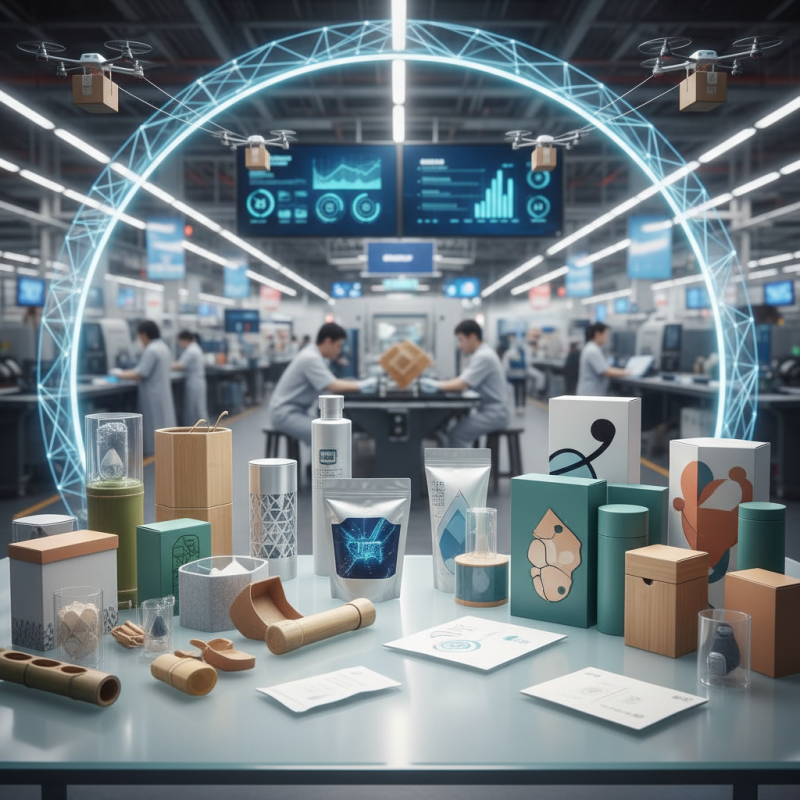
Innovation drives change in China’s packaging industry. New technologies are emerging at a swift pace. These innovations cater to both market demands and sustainability goals. Many companies are adopting biodegradable materials. This reduces plastic waste significantly. Smart packaging technology is also on the rise, integrating sensors and QR codes. These features improve consumer engagement and product tracking.
Digital printing technology is revolutionizing packaging design. It allows for customization and shorter runs of products. Businesses can now produce unique designs for various markets. On-demand printing minimizes waste and cuts costs. However, challenges still exist. The need for consistent quality control is critical. Companies must invest in training and machinery upgrades.
Recycling and circular economy concepts are becoming mainstream. Many manufacturers are exploring how to reuse materials effectively. This shift presents both opportunities and difficulties. Some firms struggle to adopt new practices fully. Financial constraints can hinder innovation. Overall, the evolution in packaging technology is reshaping global markets faster than many anticipated.
| Trend | Description | Impact on Global Markets |
|---|---|---|
| Sustainable Packaging | Increased demand for eco-friendly materials and design. | Global shift towards sustainability, influencing procurement decisions. |
| Smart Packaging | Integration of IoT for tracking and monitoring. | Enhanced supply chain efficiency and product safety. |
| Minimalist Design | Focus on simplicity and clarity in packaging. | Appeals to modern consumer preferences, increasing market appeal. |
| E-commerce Packaging Solutions | Development of packaging that withstands shipping processes. | Supports the growing online shopping market, improving customer satisfaction. |
| Personalized Packaging | Customization for brands to enhance consumer engagement. | Differentiates products in a crowded marketplace. |
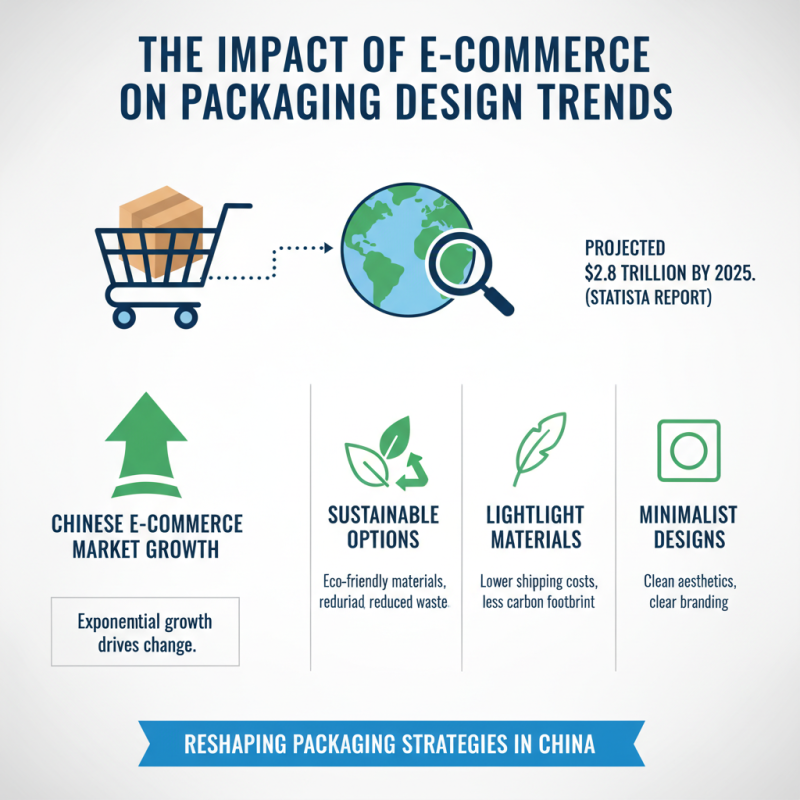
E-commerce is reshaping packaging design in China. According to a recent report by Statista, the Chinese e-commerce market is projected to reach $2.8 trillion by 2025. This exponential growth is pushing brands to rethink their packaging strategies. Lightweight materials, more minimalist designs, and sustainable options are becoming paramount.
Online shopping leads to a closer inspection of packaging. Customers disdain excessive materials. In response, many companies are adopting biodegradable and recyclable options. A 2022 survey indicated that 72% of consumers prefer eco-friendly packaging. This trend emphasizes a need for brands to align with environmental expectations.
**Tip:** Brands should focus on the unboxing experience. Unique, thoughtful designs can enhance customer satisfaction. Premium finishes and interactive elements can create memorable moments. It’s essential to balance aesthetics with practicality. Remember, packaging should protect the product and resonate with consumers.
China's packaging industry is navigating through significant regulatory changes. New standards emphasize sustainability and safety. These regulations demand stricter control over materials and production processes. For global buyers, understanding these shifts is essential. Compliance could directly impact supply chains and product quality.
Recent changes focus on reducing plastic waste and enhancing recyclability. Many manufacturers face challenges in adapting to these new rules. Not all materials that were once acceptable are now compliant. Buyers may find inconsistencies in packaging quality as companies adjust to the new standards. It’s crucial to monitor suppliers closely.
The evolving landscape requires attention to detail. Buyers must ensure that their partners are aligned with the latest regulations. A thorough review of packaging materials and processes is necessary. This vigilance can prevent potential disruptions in operations. Transparent communication with suppliers becomes vital in this dynamic market.
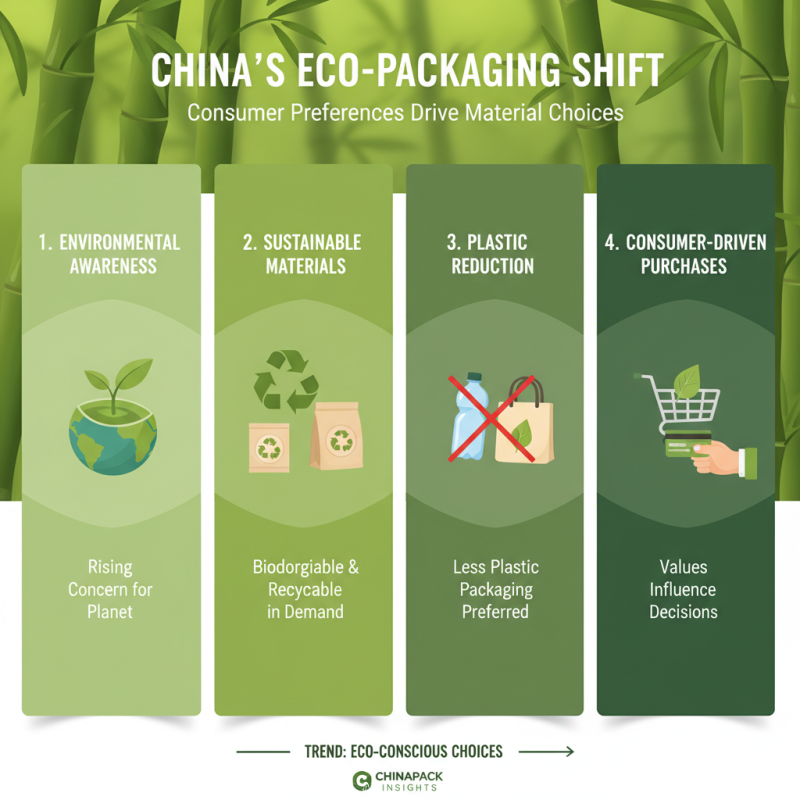
Consumer preferences are rapidly shaping the packaging industry in China. As environmental awareness increases, many consumers prefer sustainable materials. Biodegradable and recyclable options are in high demand. Packaging that uses less plastic is gaining traction, reflecting a shift towards eco-conscious choices. This trend reveals a significant relationship between consumer values and their purchasing decisions.
Moreover, the aesthetic appeal of packaging cannot be overlooked. Many buyers are drawn to visually striking designs. Unique and colorful packaging often attracts attention on crowded shelves. This highlights a challenge: brands must balance sustainability with visual appeal. A packaging choice that looks good but harms the environment can lead to distrust among consumers.
There is also a growing expectation for convenience. Easy-to-open packages and resealable designs are preferred by many. However, not all companies have adapted to these changing needs. Some still rely on outdated packaging methods, risking alienation from their target market. This gap signifies an area for improvement in the industry. As consumer preferences continue to evolve, packaging solutions must reflect these changes to remain relevant.