
In recent years, China Shipping Container Home Wholesale has emerged as a practical and innovative solution for housing. This trend reflects a growing demand for affordable and sustainable living options. Shipping container homes provide a unique blend of functionality and architectural creativity.
The advantages of using shipping containers are numerous. They are durable, eco-friendly, and can be easily customized. Many individuals and businesses are exploring this option due to its cost-effectiveness. However, the reliance on overseas suppliers can raise concerns over quality and consistency.
Understanding the wholesale aspect is crucial. It offers bulk purchasing options, but potential buyers must do their research. Not every supplier maintains high standards, and some may have hidden costs. As this market continues to develop, careful consideration is necessary to ensure a reliable investment in China Shipping Container Home Wholesale solutions.
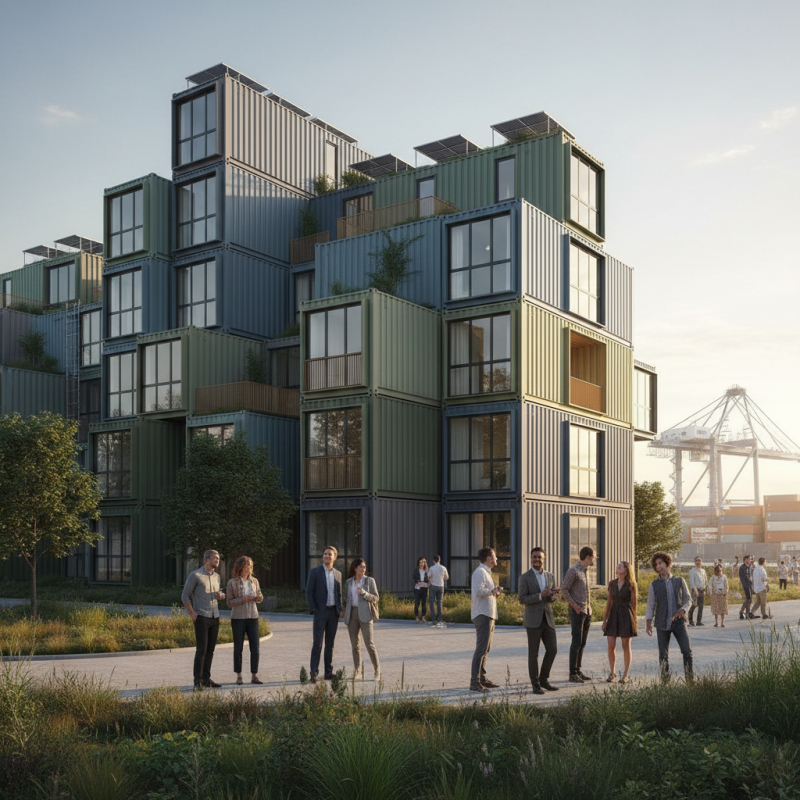
China has emerged as a leader in the shipping container home industry. The wholesale solutions for these homes are attracting interest from various sectors. By utilizing standard shipping containers, builders can create affordable, durable housing. The global container house market is projected to grow at a CAGR of 6.8% from 2021 to 2028, reflecting a rising demand.
A significant factor driving this trend is the cost-effectiveness of container homes. According to industry reports, the average cost to build a shipping container home is around $10,000 to $35,000, depending on design and size. This affordability appeals to both consumers and developers. Many find that modular container homes can be customized effectively.
Tips: Consider location and zoning laws. Some areas have restrictions on container homes. Research your local regulations thoroughly before investing.
Sustainability is another vital aspect. Shipping container homes are eco-friendly, reducing waste by repurposing containers. However, challenges do exist. Insulation and ventilation might pose issues if not addressed properly. Potential buyers need to evaluate the trade-offs effectively.
Shipping container homes are gaining traction in China. This trend reflects a global movement towards sustainable living. A report from Mordor Intelligence estimates that the market for container homes will reach $73.52 billion by 2025. The unique structure allows for cost-effective and efficient housing solutions. Many cities are now seeing these homes as viable alternatives to traditional housing methods.
Despite their potential, container homes face challenges. The initial investment can be high, and local building codes may complicate matters. A survey noted that over 40% of builders express concerns regarding zoning regulations. Additionally, the insulation and ventilation requirements must be addressed to ensure comfort. Some builders have not yet mastered these techniques, leading to uncomfortable living space.
However, innovation is key. Many architects are rethinking designs to enhance efficiency. A growing number of firms are focusing on modular designs for better scalability. The flexibility in design helps meet diverse needs. As the market matures, more resources are available. Improved technology can allow for better weather resistance and energy efficiency. The future of container homes in China shows promise, but adaptations are essential for long-term success.
The container home industry in China is experiencing remarkable growth. This surge can be attributed to rising urbanization and the demand for affordable housing. More individuals seek innovative living solutions as urban spaces become denser. Container homes offer a practical alternative, striking a balance between cost and functionality.
With a focus on sustainability, many container homes utilize recycled materials. These structures also boast faster construction times compared to traditional homes. However, the industry faces challenges, such as varying building regulations across regions. Local authorities often have differing standards for container home construction.
Moreover, while the appeal of container homes grows, potential buyers need to consider long-term impacts. Factors like insulation and energy efficiency can significantly affect livability. These homes may require modifications to meet individual needs. Despite the obstacles, the trend indicates a shift towards more adaptable housing solutions in China.
When considering container homes in China, it's essential to understand the landscape of key suppliers and manufacturers. These companies often specialize in designing and constructing homes that meet diverse needs. They have a robust portfolio showcasing innovative designs and functional living spaces. Their experience allows them to cater to various markets, from affordable housing to luxury retreats.
Many suppliers focus on sustainability and creativity. They source materials locally, reducing transport impacts and supporting the economy. These manufacturers adapt containers into stylish spaces, emphasizing modern aesthetics. Clients find it useful to analyze past projects through online galleries. Yet, not every design resonates with buyers. Feedback from customers often highlights a desire for more customization options.
Quality control is another critical factor. Not all manufacturers adhere to the same standards. Clients must research the reputation of potential suppliers rigorously. They should seek references and reviews to ensure reliability. Price differences also signal variations in quality and services offered. Understanding these factors helps clients make informed choices. Investing in a container home is significant. Taking the time to choose the right partner can yield a rewarding experience.
Shipping container homes represent an innovative solution for sustainable living. Their affordability is one of the key selling points, but the pricing models can vary significantly. A comprehensive cost analysis reveals several factors influencing these prices.
The base price of a shipping container itself can range from $1,500 to $5,000, depending on size and condition. According to the Container Homes Report 2023, the average total cost of a completed container home is between $10,000 and $35,000. This figure includes modifications, insulation, and other materials. Labor costs can add another $5,000 to $10,000. This variability often leads to confusion about the true investment required.
In addition to the initial setup costs, ongoing expenses should also be considered. Utility hookups, maintenance, and land leasing can accumulate. As reported by the Housing Affordability Index 2023, many buyers underestimate these ongoing costs. A well-planned budget requires not only the purchase price but also a clear understanding of long-term financial implications. This reflection is crucial for anyone considering a shipping container home as a viable living option.
The article titled "What is China Shipping Container Home Wholesale Solutions?" provides a comprehensive overview of the container home industry in China, highlighting the growing market trends and the increasing popularity of shipping container homes as a sustainable living option. It delves into the key suppliers and manufacturers in the sector, emphasizing the supply chain dynamics that support wholesale solutions.
Furthermore, the article analyzes the pricing models associated with China Shipping Container Home Wholesale, offering insights into the cost considerations for potential buyers. It concludes by outlining the numerous benefits of opting for wholesale solutions, such as affordability, customization options, and the eco-friendly nature of container homes. Overall, this resource serves as a valuable guide for those interested in exploring the wholesale market for shipping container homes in China.