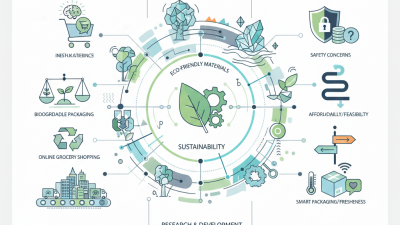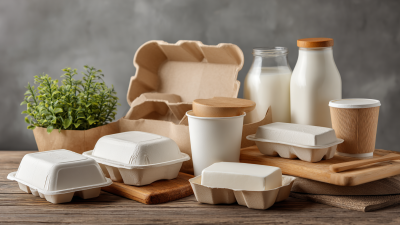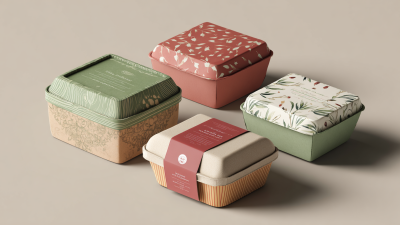
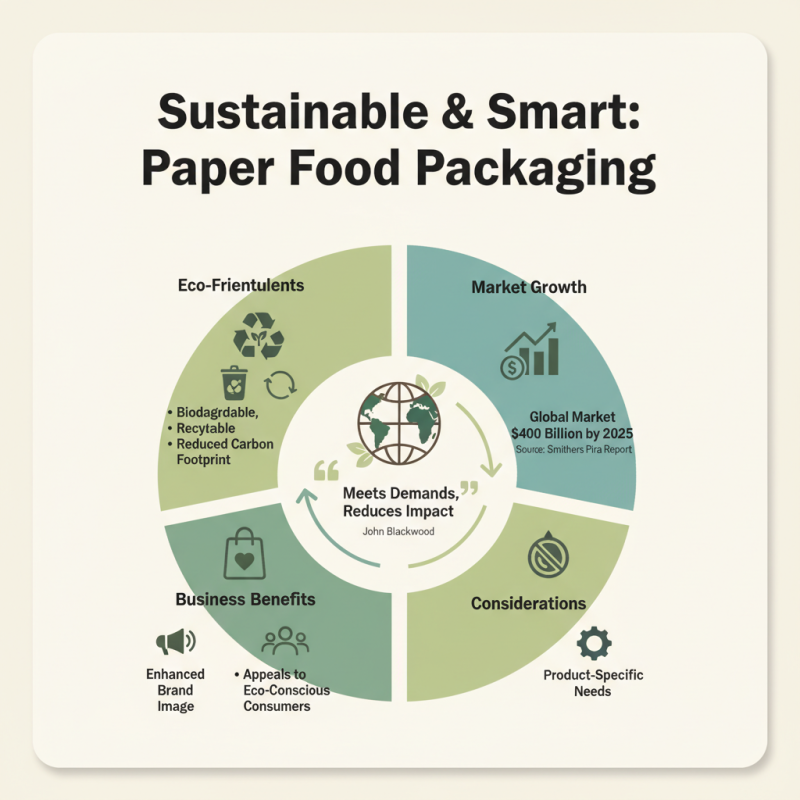
In today's rapidly evolving food industry, the choice of packaging plays a critical role. Businesses increasingly opt for paper food packaging, citing its eco-friendliness and versatility. According to a report by Smithers Pira, the global market for paper food packaging is expected to reach $400 billion by 2025. This growth highlights the industry’s shift towards sustainable solutions.
Experts emphasize the need for reliable packaging. John Blackwood, a leader in sustainable packaging solutions, states, "Paper food packaging not only meets consumer demands but also reduces environmental impact." This statement underscores the importance of making informed choices in packaging options. Companies adopting paper food packaging can enhance their brand image and appeal to environmentally conscious consumers.
Despite its advantages, paper food packaging does have limitations. It's crucial for businesses to evaluate the specific needs of their products. Some may find that paper falls short in moisture resistance compared to plastic alternatives. Attention to detail and understanding customer expectations is essential in this decision-making process. Therefore, the journey towards effective packaging solutions must be approached with both care and consideration.
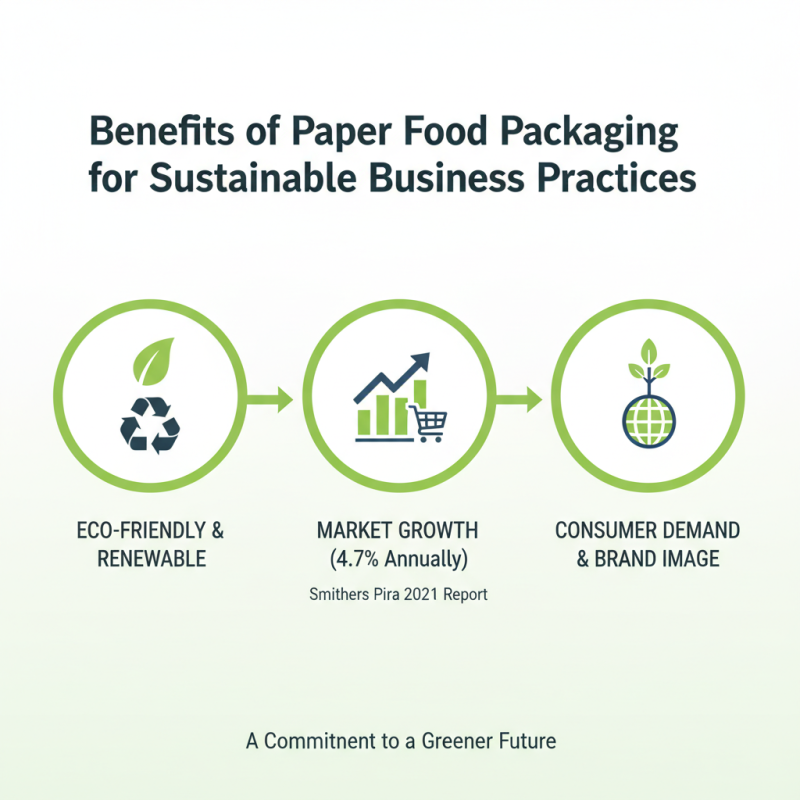
In recent years, businesses have increasingly turned to paper food packaging. This shift aligns with a growing commitment to sustainability. According to a 2021 report by Smithers Pira, the paper packaging market is expected to grow by 4.7% annually. This growth reflects a rising demand for eco-friendly solutions.
Paper packaging offers several benefits for sustainable business practices. It is biodegradable and recyclable. This means it breaks down naturally in landfills. Additionally, paper production often uses sustainable sources, reducing environmental impact. Research shows that replacing plastic with paper can cut carbon emissions by up to 45%. Such figures reinforce the choice of paper packaging.
However, it’s essential to consider the entire lifecycle. Not all paper products are created equal. Sourcing from irresponsible suppliers can negate environmental benefits. Transparency in sourcing is crucial. Businesses must audit supply chains to ensure sustainability claims hold up. Addressing these issues openly can enhance credibility and trust with eco-conscious customers.
The cost-effectiveness of paper food packaging makes it an appealing choice for businesses. According to a study by Smithers Pira, paper packaging can reduce costs by 30% compared to plastic alternatives. This reduction arises from lower material costs and easier recycling processes. Businesses can benefit financially while also appealing to eco-conscious consumers.
Moreover, switching to paper can lower disposal costs. In many regions, biodegradable paper packaging incurs lower landfill fees than traditional plastics. A report from Freedonia Group highlighted that businesses could save an average of 15% in waste management fees by opting for paper. This presents a compelling financial case for companies committed to sustainability.
However, some challenges exist. Paper packaging may require more space during transportation. Firms must also consider sourcing practices. Not all paper materials are sustainably harvested, which can negate environmental benefits. Thus, while paper is often a cost-effective option, businesses must weigh these factors carefully. Balancing economic incentives with ethical sourcing remains a critical reflection point in packaging decisions.
Health and safety are paramount in food packaging.
Paper food packaging is becoming increasingly popular due to its perceived safety.
A study from the Food and Drug Administration (FDA) indicates that consumers prefer paper over plastic because of concerns about chemicals.
Approximately 70% of respondents associated paper packaging with better food safety.
The sustainability of paper packaging also enhances its appeal.
According to a report by the Institute of Food Technologists, paper products often have a lower risk of harboring harmful bacteria when compared to plastic.
This is crucial for maintaining food safety.
However, not all paper packaging is created equal.
Consumers must ensure that products are made from food-safe materials.
Despite these positives, challenges remain.
Some paper packaging can struggle with grease and moisture.
This may lead to food contamination if not properly treated.
Furthermore, the recycling process for paper may not always be effective.
This leads to questions about long-term sustainability practices.
A holistic approach to packaging requires constant evaluation to ensure both health safety and environmental impact remain in balance.
Consumer preferences have shifted significantly toward eco-friendly packaging. A recent report from the Paper and Packaging Board indicates that approximately 70% of consumers prefer sustainable packaging solutions. This trend has grown as environmental awareness increases globally. Companies focusing on paper food packaging can tap into this demand, enhancing their brand image and consumer loyalty.
Moreover, research by the National Retail Federation shows that nearly 60% of consumers are willing to pay more for products with sustainable packaging. This indicates a strong market incentive for businesses to commit to environmentally friendly options. Paper packaging not only meets consumer preferences but also showcases a company's commitment to sustainability.
Tips: Consider conducting surveys to understand your target audience's preferences. Monitor industry reports for the latest trends. Remember, small changes in packaging can lead to significant improvements in consumer satisfaction. Balancing sustainability and cost might require more effort but can yield long-term benefits.
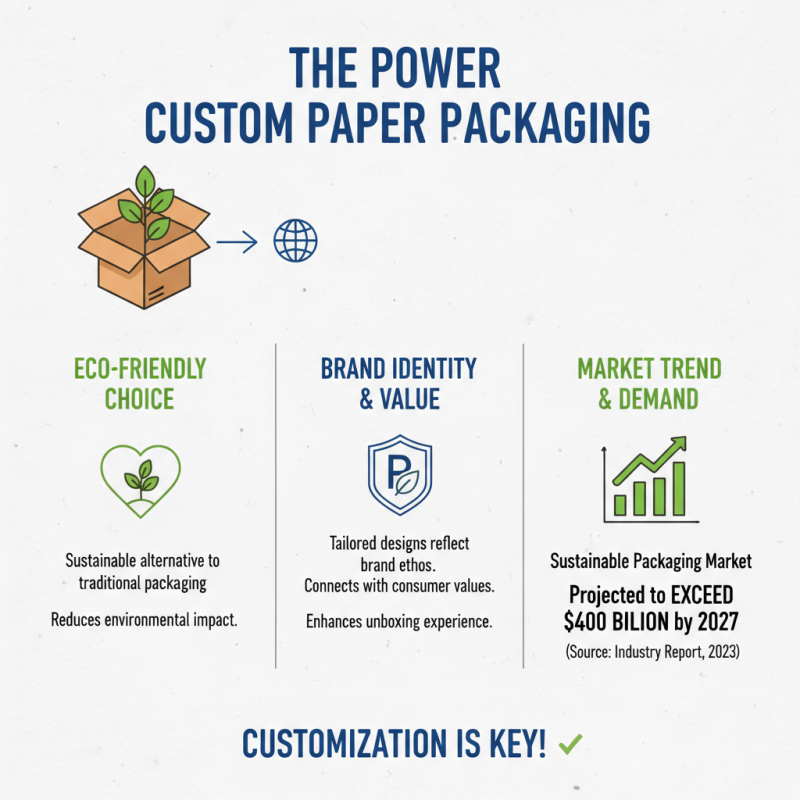
Customization plays a pivotal role in paper packaging solutions for businesses. With the growing consumer preference for sustainable practices, custom paper packaging offers an eco-friendly alternative. A recent industry report states that the demand for sustainable packaging is projected to surpass $400 billion by 2027. This trend emphasizes the importance of tailored packaging that resonates with brand identity and consumer values.
Incorporating unique designs and personalized features can significantly enhance brand recognition. Customization allows businesses to showcase their logo, utilize specific colors, and incorporate unique textures. This is not just about aesthetics; it's about creating an emotional connection. According to research, consumer purchasing decisions are influenced by packaging design in 72% of cases. Businesses must reflect on how their packaging aligns with customer expectations.
However, it's crucial to balance customization with practicality. Overly intricate designs can complicate production processes and increase costs. Companies may find themselves in a bind, needing to compromise on either quality or design. Thoughtful reflection on the design process can lead to more efficient and cost-effective solutions. It's a learning curve for many, but essential for long-term success in a competitive market.