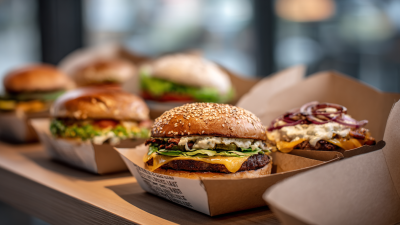
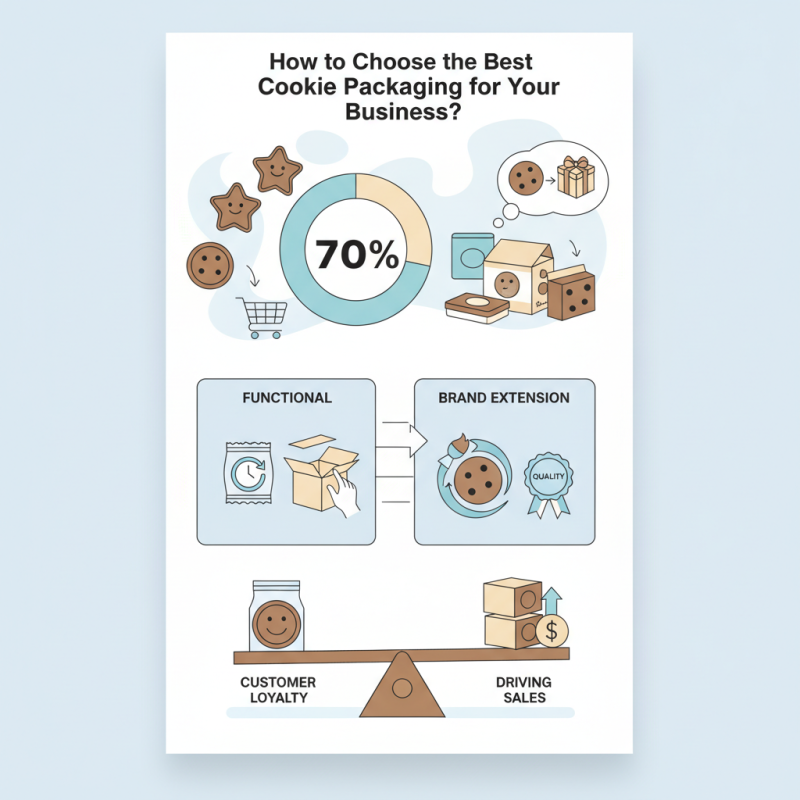
In today's competitive market, choosing the right cookie packaging is crucial for attracting consumers and ensuring product freshness. According to a 2022 report by Packaged Facts, over 70% of consumers consider packaging when purchasing snacks like cookies. This statistic highlights the significant role packaging plays in influencing buying decisions.
Expert in food packaging, Helen Sanders, notes, "Cookie packaging should not only be functional but also an extension of your brand." This emphasizes the need to find a balance between aesthetics and practicality. For businesses, effective cookie packaging communicates quality and preserves flavors, a delicate act that often leads to reflection.
Many companies struggle with these aspects, contemplating choices that may not align with their brand image. Packaging can impact shelf life; sealing mechanisms must assure freshness yet still be user-friendly. Striking the right note can elevate a cookie product from ordinary to extraordinary, driving sales and nurturing customer loyalty.
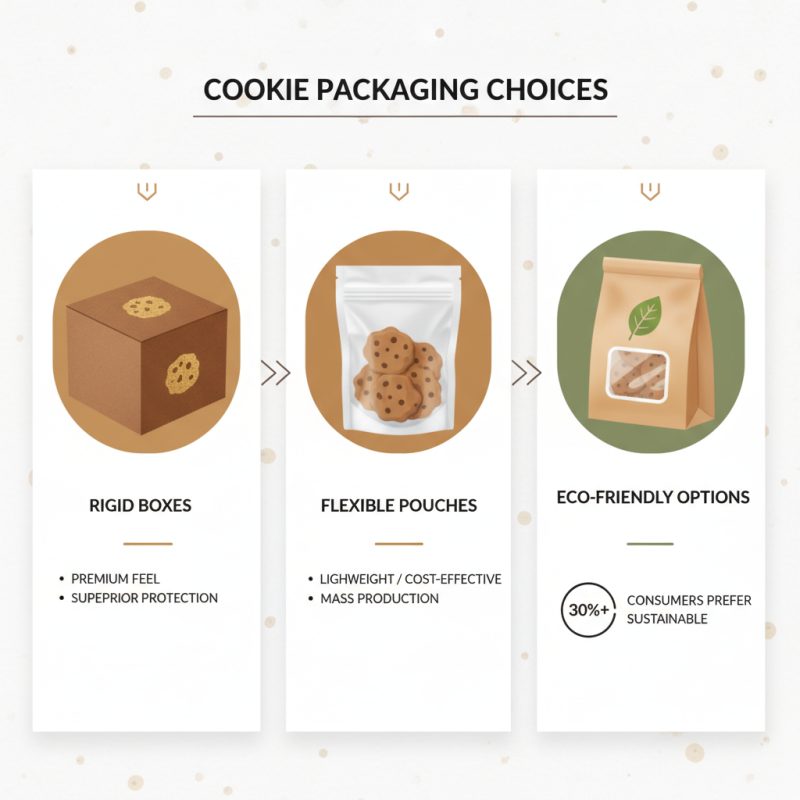
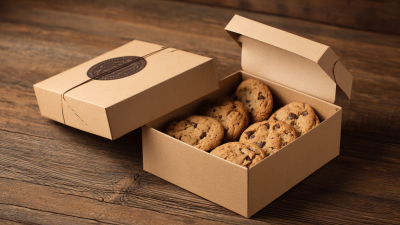
When selecting cookie packaging, consider the diversity of options available. The right packaging can enhance the product's appeal. For instance, rigid boxes provide excellent protection and a premium feel. They cater to high-end markets. Flexible pouches, on the other hand, are lightweight and cost-effective. They are suitable for mass production, appealing to a broad audience. According to a recent report, over 30% of consumers favor eco-friendly packaging, which highlights the importance of sustainable practices in design.
Glass jars or tins are another choice, particularly for gourmet cookies. They offer freshness and can be reused by customers. However, they might increase shipping costs. According to industry data, businesses often overlook the balance between aesthetics and practicality. Shiny materials and bright colors attract attention, but they can also obscure product information. This distraction can lead to customer dissatisfaction.
In contrast, transparent packaging allows consumers to see the product. This builds trust and can boost sales. To resonate with your target demographic, gather feedback on your packaging choices. Small adjustments can lead to better customer experiences and increased loyalty. An engaging design combined with effective function is key.
When it comes to cookies, packaging plays a crucial role in maintaining freshness and safety. Proper packaging protects against air, moisture, and contamination. Without it, cookies can become stale and lose their delightful texture. Choosing the right materials should be your priority. Consider options like vacuum-sealed bags or sturdy boxes. These choices can help keep your cookies as fresh as the moment they were baked.
Tips: Always test your packaging. Leave cookies in different conditions to see how they hold up. Observe changes in texture and taste. If they become soft too quickly, rethink your materials.
Additionally, think about aesthetics. Customers love attractive packaging, but functionality is key. Your design should allow for easy opening while securing the cookies. Sometimes, simple yet effective designs work better. If a package is too complex, it might lead to frustration.
Lastly, consider the environmental impact. Eco-friendly options are increasingly popular. However, ensure they still perform well. Balance sustainability with protection for your cookies. Remember, a beautiful package is only valuable if it keeps your cookies safe and fresh.
When selecting cookie packaging, the choice of materials significantly impacts your business. Common options include cardboard, plastic, and glass. Each has its ups and downs. Cardboard is eco-friendly and offers great customization. However, it may not provide the best barrier against moisture. According to a 2022 industry report, over 30% of consumers prefer sustainable packaging. Plastic, while effective in preserving freshness, contributes to environmental issues. In fact, research shows that 47% of shoppers are deterred by excessive plastic use.
Glass containers can enhance the perceived value of your cookies. They are recyclable and provide an airtight seal. Yet, they are heavy and can break easily. Thus, they may not be the best choice for shipping. A recent survey highlighted that 25% of businesses face increased shipping costs due to heavy packaging. Each material prompts a reflection on cost, sustainability, and consumer preference. Balancing these factors is crucial for a successful packaging strategy.
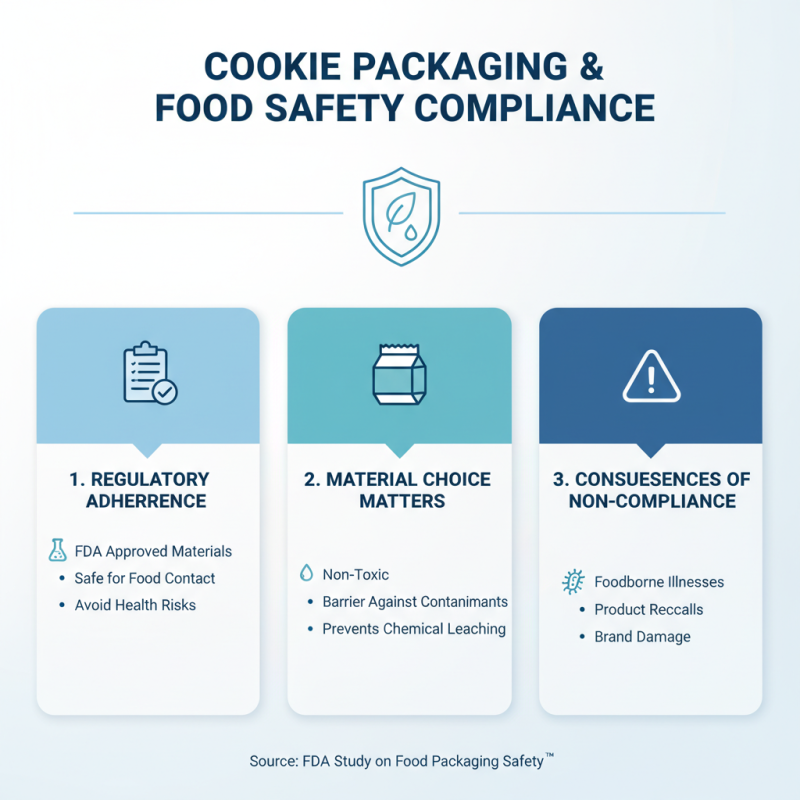
Choosing the right packaging for cookies involves careful consideration of food safety compliance. Packaging must adhere to specific regulations to avoid health risks. For instance, food packaging should be made from materials deemed safe by regulatory agencies. According to a study by the Food and Drug Administration (FDA), improper packaging can lead to contamination. In the worst cases, this can result in foodborne illnesses.
Many cookie manufacturers find themselves overwhelmed by the specific guidelines. The FDA mandates that packaging materials must not transfer harmful substances to food. Understanding these requirements is essential for successful cookie sales. A significant number of small businesses lack awareness of these regulations. Nearly 30% of small food producers report confusion over compliance standards.
Choosing sustainable and compliant materials can seem daunting. You may wonder whether biodegradable packaging meets safety standards. Industry reports indicate that while sustainability is crucial, it must never compromise food safety. Regular audits can uncover potential risks in packaging materials. Striving for compliance can help avoid costly product recalls and strengthen consumer trust.
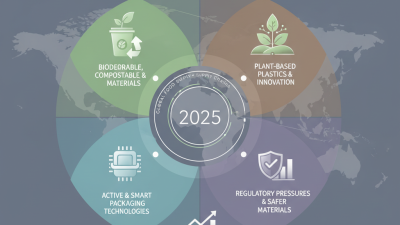
Eco-friendly packaging is becoming a vital trend in the cookie industry. Research shows that 74% of consumers are willing to pay more for sustainable options. This shift reflects a broader awareness of environmental issues. Brands that adopt eco-friendly packaging not only attract conscientious customers but also enhance their market appeal.
When selecting packaging, consider biodegradable materials. These options reduce waste and resonate with eco-conscious buyers. Brands using kraft paper or compostable plastics are gaining attention. Yet, the challenge lies in balancing quality and sustainability. Some materials may not provide the durability needed for shipping.
Tips: Evaluate the sourcing of your materials. Local suppliers often reduce carbon footprints. Keep in mind that consumers value transparency. Clearly communicate your packaging choices and their benefits. This builds trust and loyalty.
Data indicates that 60% of consumers prefer minimalistic designs. Excessive packaging can feel wasteful. Streamlining your cookie packages might appeal more. However, achieving that while ensuring product safety is a delicate balance. Experimentation and feedback loops can highlight areas for improvement.
| Packaging Type | Material | Recyclability | Consumer Preference (%) | Market Growth (%) |
|---|---|---|---|---|
| Kraft Paper Bags | Kraft Paper | Yes | 35 | 8 |
| Biodegradable Film Bags | PLA (Polylactic Acid) | Yes | 40 | 12 |
| Metal Tins | Metal | Yes | 25 | 5 |
| Glass Jars | Glass | Yes | 30 | 7 |
| Recycled Paper Boxes | Recycled Paper | Yes | 50 | 10 |