How to Choose the Best Food Packaging Materials for Your Products?

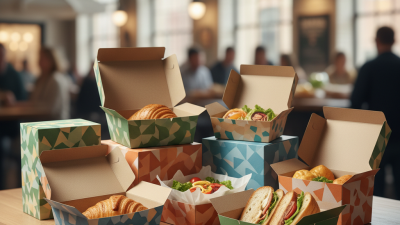
Choosing the right food packaging materials is essential for product success. Expert Sarah Thompson, a packaging specialist, states, "The right materials preserve freshness and enhance brand appeal." Every detail counts when selecting materials for food products.

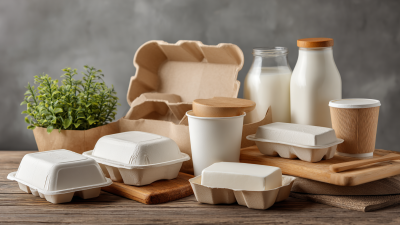
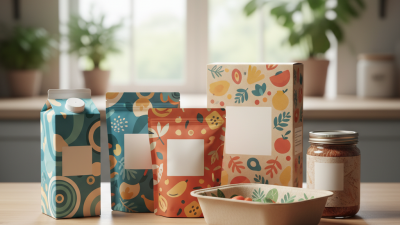
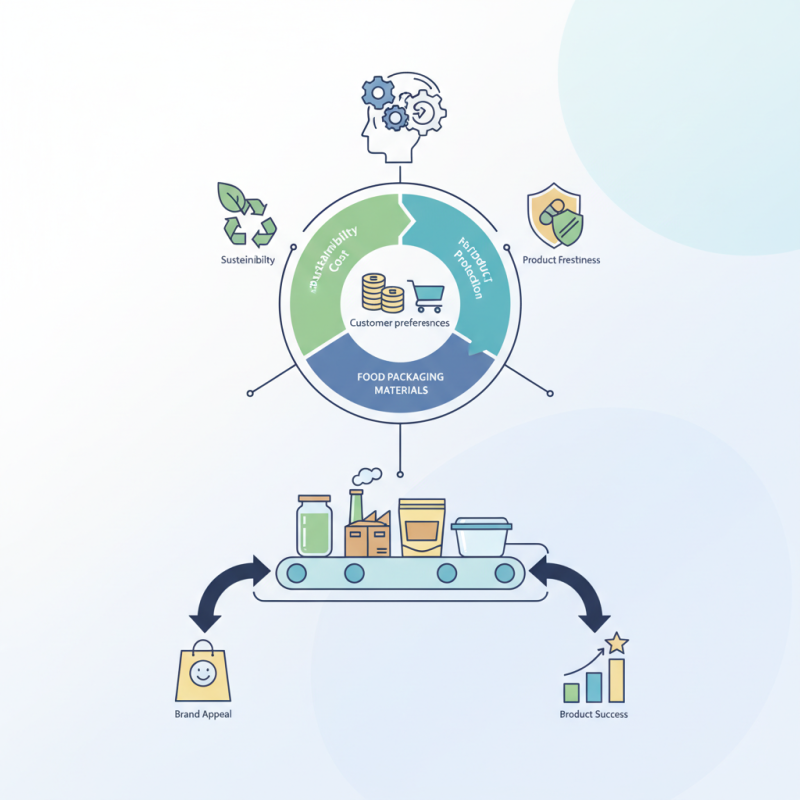
Packaging materials not only protect food but also communicate brand values. With options ranging from biodegradable materials to traditional plastics, the choices can overwhelm. Companies must consider sustainability, cost, and customer preferences.

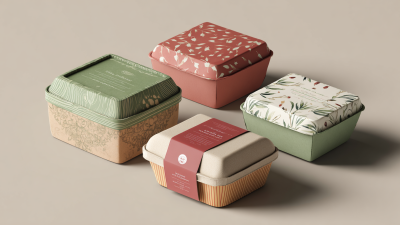
Some brands struggle to align packaging choices with their values. A failure to provide quality packaging can damage a brand’s reputation. Hence, reflection on these choices is crucial. The balance between functionality and aesthetics plays a significant role in consumer perception. Thoughtful selection of food packaging materials can create a lasting impact.
How to Choose the Best Food Packaging Materials for Your Products?

Understanding the Importance of Food Packaging Materials
How to Choose the Best Food Packaging Materials for Your Products?

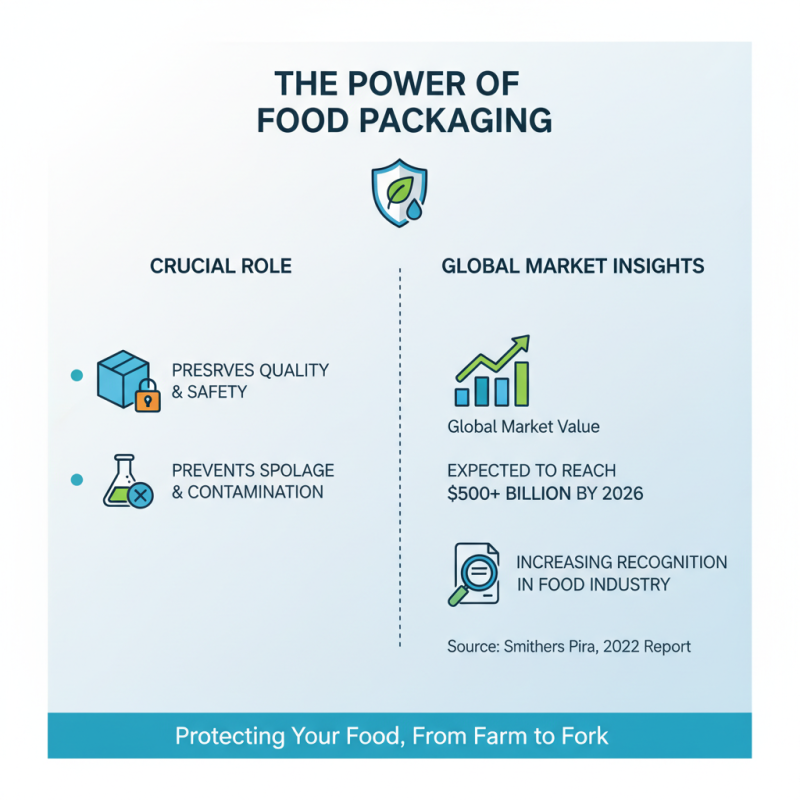
Food packaging materials play a crucial role in preserving product quality and safety. According to a 2022 report by Smithers Pira, the global market for food packaging is expected to reach over $500 billion by 2026. This figure underscores the increasing recognition of packaging in the food industry. Proper materials can prevent spoilage and contamination, which are major concerns for manufacturers and consumers alike.

Choosing the right packaging also impacts sustainability. The food industry produces approximately 931 million tons of food waste annually, according to FAO. Innovative materials like biodegradable plastics can minimize this impact. However, not all biodegradable materials perform equally. Some break down too quickly, while others require specific conditions. This inconsistency can lead to confusion and ineffective waste management practices.

The choice of packaging materials influences consumer perception as well. Research from Mintel found that 47% of consumers consider the sustainability of packaging. Yet, many brands fail to effectively communicate these efforts. Transparency is key. Companies must balance functionality, cost, and environmental impact to win customer trust. This complex decision-making process reveals the need for ongoing reflection in packaging strategies.
Identifying Different Types of Food Packaging Materials

Choosing the right food packaging materials is crucial for product safety and freshness. Various types of materials are available, each with its strengths and weaknesses. Common options include plastic, glass, metal, and paper. According to a recent industry report, around 60% of consumers prefer packaging that is easy to recycle.

Plastic is lightweight and cost-effective. It offers excellent barrier properties. However, it often raises concerns about environmental impact. Many consumers are seeking eco-friendly alternatives. Glass is recyclable and keeps food fresh longer; yet, its weight increases shipping costs. Metal packaging is robust but can be more expensive. Paper is biodegradable, presenting a strong case for sustainability; yet, it may not always provide the best protection against moisture.

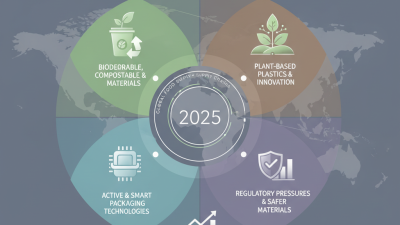
Market trends indicate a growing demand for sustainable packaging solutions. A survey found that 74% of consumers are willing to pay more for eco-friendly packaging. Nonetheless, many businesses still struggle to balance cost and sustainability. Investing in research can reveal better options. Packaging materials must align with consumer expectations while meeting safety standards.

Evaluating Material Properties: Safety, Strength, and Sustainability

When selecting food packaging materials, key properties like safety, strength, and sustainability are essential. Safety is paramount. Materials must be food-grade and non-toxic. Some plastics may leach harmful chemicals under certain conditions. Always check if the packaging is suitable for your specific food items. This requires diligent research, as safety standards can vary widely.

Strength is another critical aspect. The packaging needs to withstand transportation, stacking, and handling without breaking. Thin or flimsy materials could compromise product integrity. Consider the weight and fragility of the food. Sometimes, achieving the right strength can be a trial and error process. Many suppliers offer samples, which can aid in testing performance under real-life conditions.

Sustainability is increasingly important. Consumers prefer eco-friendly options over traditional plastics. Biodegradable or recyclable materials are gaining popularity. However, not all green materials perform well. Some may lack durability. Evaluating these materials can lead to tough decisions. Balancing environmental impact and performance is often challenging.

How to Choose the Best Food Packaging Materials for Your Products?

Material Type Safety (Food Contact Approved) Strength (Tensile Strength in MPa) Sustainability (Biodegradable/ Recyclable) Cost (USD per kg)
Polyethylene (PE) Yes 30-40 No 1.50
Polypropylene (PP) Yes 30-50 Yes (Recyclable) 1.70
Polyethylene Terephthalate (PET) Yes 60-80 Yes (Recyclable) 2.00
Glass Yes 70-90 Yes (Recyclable) 3.00
Biodegradable Plastics Yes 20-30 Yes (Biodegradable) 2.50

Assessing Cost Efficiency and Environmental Impact

Choosing the right food packaging materials impacts both cost efficiency and environmental footprint. Recent reports indicate that shifting to biodegradable materials can cut waste by up to 30%. This shift is vital as food waste creates significant landfill issues. For example, plastics account for 80% of marine debris, harming ecosystems.


Analyzing cost-efficiency is essential. Traditional materials may be cheaper upfront, but hidden costs arise. For instance, managing plastic waste can lead to increased disposal fees. A study found that 40% of companies face higher costs when using conventional plastics. In contrast, investing in sustainable options can offer long-term savings.


Environmental impact cannot be overlooked. Packaging materials made from renewable resources are becoming vital. A report from the Packaging Institute states that consumers prefer eco-friendly packages. However, many businesses still struggle with the higher initial costs of these materials. This presents a dilemma that requires thoughtful consideration of long-term benefits versus immediate expenses.

Choosing Materials Based on Product Type and Shelf Life

How to Choose the Best Food Packaging Materials for Your Products?

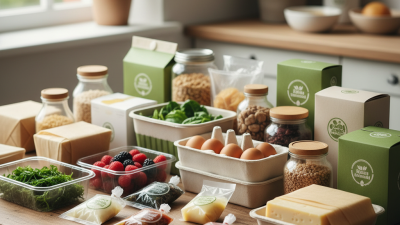
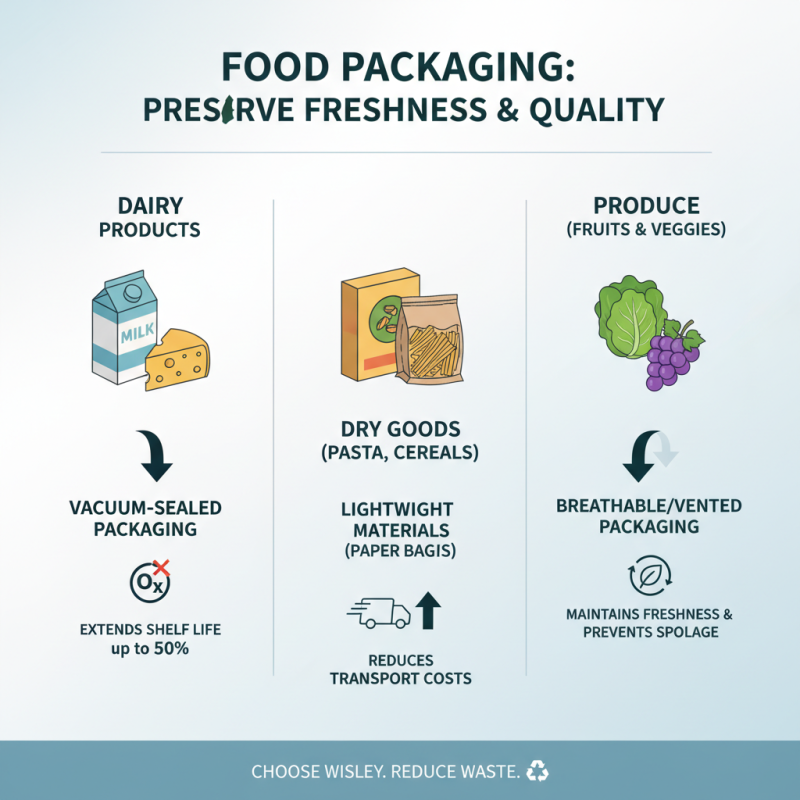
Choosing the right packaging material is crucial for preserving food quality. Different products require specific materials to maximize shelf life and maintain freshness. For instance, dairy products benefit from vacuum-sealed packaging. This method can extend shelf life by up to 50%. Meanwhile, dry goods often use lightweight materials like cardboard. These can help reduce transportation costs.

When selecting materials, consider the product type. Meat products typically need airtight packaging. Research shows that improper packaging can lead to spoilage. This can be costly for retailers. Also, temperature-sensitive items, such as chocolates, often require insulated packaging to prevent melting. Studies indicate that temperature control can increase a product's marketability.

**Tip:** Always test your packaging choices with small batches first. This allows you to gauge effectiveness without significant risks.

Another factor is environmental impact. Sustainable packaging options are increasingly popular. According to industry reports, over 60% of consumers prefer eco-friendly materials. However, finding the right balance can be challenging. Not all biodegradable options provide the same level of protection.

**Tip:** Stay updated with packaging trends. This knowledge can guide your material choices effectively.