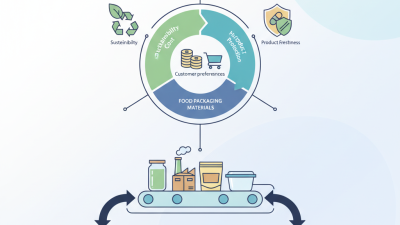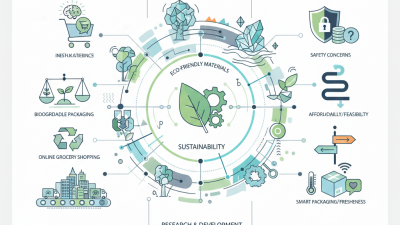
In the evolving landscape of food packaging, selecting the best solutions for 2026 demands strategic foresight. As trends shift toward sustainability, data from the Smithers Pira report highlights that the global food packaging market is expected to exceed $400 billion by 2026. This surge reflects not just consumer demand, but also the need for innovative solutions that meet safety and environmental standards.
Industry expert Dr. Emily Carter emphasizes that "the right food packaging choices can enhance freshness and reduce waste." This insight is critical as companies face challenges in balancing functionality and sustainability. With increasing scrutiny on materials used in food packaging, the emphasis on recyclable and biodegradable options is paramount.
Yet, the path to optimal solutions is fraught with complexities. Businesses must navigate regulatory demands and shifting consumer preferences. In this context, understanding market dynamics and being adaptable is essential for success. As 2026 approaches, the quest for the ideal food packaging requires careful analysis and a commitment to continuous improvement.
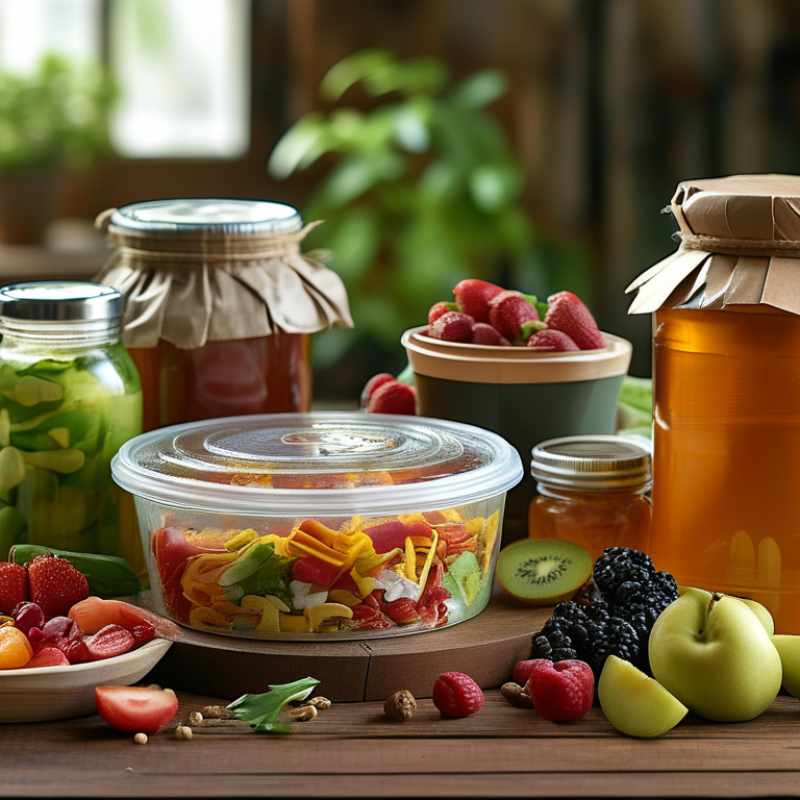
The landscape of food packaging is rapidly evolving. Recent studies indicate that sustainable packaging options will dominate by 2026. According to the latest report by Allied Market Research, the global sustainable packaging market is projected to reach $650 billion by 2027. This shift towards eco-friendly materials reflects consumer demand for environmentally responsible products.
Innovations in food packaging technology are groundbreaking. Smart packaging is gaining traction, allowing brands to monitor freshness and improve shelf life. A 2023 industry survey highlighted that 72% of consumers are willing to pay more for smarter packaging solutions. These innovations enhance customer experience, but they also pose challenges. Brands may struggle with initial investment costs and the complexity of integrating new technologies into existing supply chains.
Understanding current trends is essential for making informed packaging choices. Biodegradable materials are on the rise, shifting away from traditional plastics. However, not all biodegradable options perform equally in different environments. Companies need to be cautious when selecting packaging types to ensure they meet both functionality and sustainability goals. Balancing innovation with practicality requires thoughtful planning and continual assessment of packaging effectiveness.
As businesses prepare for 2026, the importance of environmental sustainability in food packaging cannot be understated. Current research indicates that around 70% of consumers prioritize eco-friendly packaging in their purchasing decisions. This growing demand pushes companies to rethink their packaging strategies. The challenge is in balancing functionality with sustainability.
Research shows that flexible packaging can offer a viable solution. It often uses 30% less material than rigid alternatives. However, these packages must be recyclable or biodegradable to meet sustainability criteria. The Ellen MacArthur Foundation emphasizes that over 300 million tons of plastic waste is generated annually, much from food packaging. A critical reflection is needed on how companies can innovate while reducing their environmental footprint.
Furthermore, life-cycle analyses reveal that sustainable materials often require less energy in production compared to traditional plastics. Yet, data also shows that not all biodegradable options are created equal. Some may decompose in landfills but not in natural environments. This highlights the need for exhaustive research and industry collaboration. Making informed choices today can shape a greener food packaging landscape by 2026.
| Packaging Type | Material Used | Recyclability | Carbon Footprint (kg CO2e) | Cost per Unit ($) |
|---|---|---|---|---|
| Biodegradable Film | PLA, Starch Blends | Yes | 2.5 | 0.15 |
| Glass Containers | Glass | Yes | 1.2 | 0.30 |
| Compostable Bags | Corn Starch, PBAT | Yes | 1.5 | 0.10 |
| Recyclable Cartons | Paperboard | Yes | 0.8 | 0.05 |
| Reusable Containers | Polypropylene | Yes | 0.6 | 0.25 |
When considering food packaging solutions for 2026, cost and budget are vital. According to a recent industry report, packaging accounts for approximately 15% of the total food product cost. This percentage can vary widely based on materials and design. Choosing eco-friendly options can increase upfront costs but may reduce long-term expenses.
In 2026, the demand for sustainable packaging will rise. Research indicates that consumers are willing to pay 30% more for environmentally friendly packaging. However, firms need to weigh costs. For instance, biodegradable materials can be pricier than conventional plastics. Yet, coupling sustainability with efficiency can optimize overall expenses.
Budgeting for packaging should include hidden costs, like storage and logistics. A report from the Global Packaging Alliance suggests that miscalculating these factors can inflate the budget by 20%. Companies should regularly assess packaging strategies and adjust them as market trends evolve. Adopting a flexible approach can lead to smarter financial decisions over time.
When considering food packaging solutions for 2026, it's essential to prioritize compliance with food safety regulations. These regulations ensure that packaging materials do not compromise the safety or quality of food products. The FDA and other governing bodies have specific guidelines. Understanding these can help businesses avoid costly mistakes and legal issues.
Evaluating the materials used is crucial. Many options, such as plastics, metals, and biodegradable substances, have different regulations. For instance, some plastics can leach chemicals into food. It's important to choose materials that uphold safety standards. Additionally, sustainable packaging is becoming increasingly relevant. Many consumers prefer eco-friendly options, which can align with safety compliance when chosen correctly.
Companies often overlook the importance of thorough testing. Packaging must be tested for durability and food interaction. This process can highlight potential hazards and ensure safety. Engaging with experts in food packaging is advisable. Their insights can guide choices that align with best practices. It is important to stay updated on evolving regulations, as standards can shift rapidly. A proactive approach will lead to better compliance and enhanced consumer trust.
In 2026, understanding consumer preferences will be crucial in food packaging design. A recent survey revealed that 73% of consumers are increasingly influenced by sustainable packaging options. This trend highlights the demand for eco-friendly materials. Brands must adapt to these preferences to remain competitive and relevant.
Moreover, convenience is also a key aspect. Research indicates that 62% of consumers prefer packaging that enhances usability, like resealable pouches or easy-to-open designs. Consumers appreciate functionality alongside sustainability, which complicates packaging decisions. Striking the right balance between the two is essential for effective product presentation.
Transparency in packaging is another growing consumer expectation. A report showed that 55% of shoppers are more likely to buy products with clear ingredient information. This transparency fosters trust and brand loyalty. Brands must reflect consumer desires in their packaging designs, yet some still struggle to communicate this effectively. Addressing these challenges requires ongoing reflection and adjustment.