Choosing the right packaging materials is crucial for any business. It impacts branding, customer satisfaction, and overall efficiency. The right materials can enhance product protection and minimize waste. However, the multitude of options available can be overwhelming. From cardboard boxes to biodegradable wraps, each material offers unique benefits.
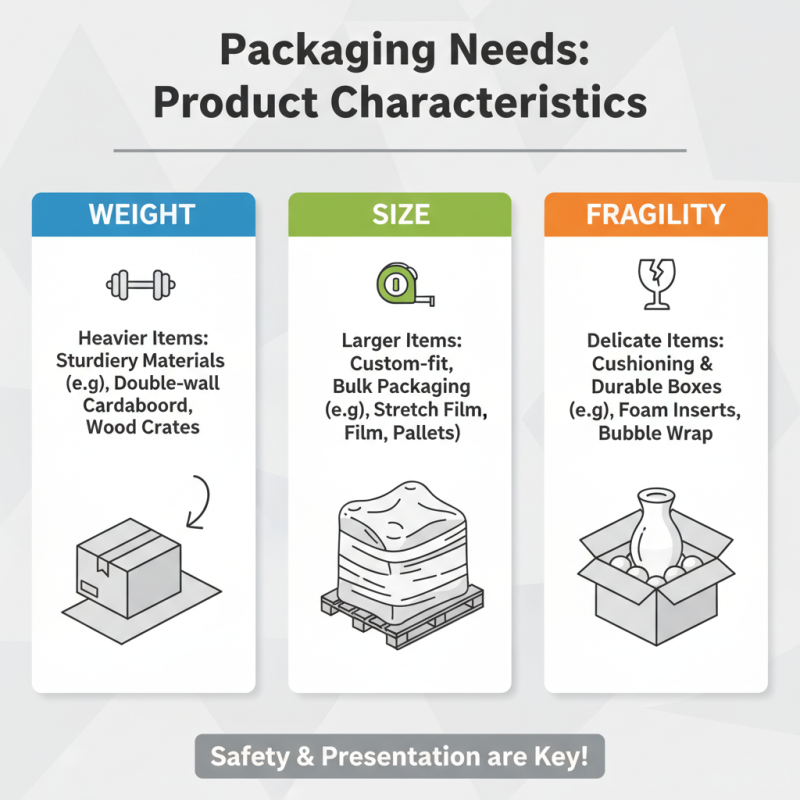
Understanding the specific needs of your products is essential. Consider the weight, fragility, and handling requirements. This knowledge will guide you in selecting durable and practical options. Packaging materials should not only look appealing but also be functional. For instance, customized boxes can elevate brand perception but may be costly and time-consuming to design.
It’s important to assess both cost and environmental impact. Sometimes, cheaper materials fail to provide adequate protection, leading to higher long-term costs. Reflecting on past experiences with packaging can help identify areas for improvement. Regular evaluations will ensure your packaging strategy remains effective and sustainable.

Choosing the right packaging materials requires a deep understanding of your product. Consider the product's weight, size, and fragility. For instance, heavier items often need sturdier materials. Glass products, being fragile, benefit from cushioning and durable boxes. These decisions directly impact the safety and presentation of your goods.
Tips: Test different materials with your products. Analyze how they hold up during shipping and handling. This trial can reveal weaknesses in your initial choices.
Environmental factors also play a critical role. Humidity can warp cardboard or affect specific plastics. Products stored in such conditions may suffer. Therefore, assess the typical environment your packaging must withstand.
Tips: Keep your customer in mind. Packaging should reflect your brand image and values. Attractive, eco-friendly materials can boost customer loyalty. Finding the right balance between protection and appeal is essential. Make adjustments as you gather feedback to improve your packaging strategy continuously.
When evaluating different types of packaging materials, consider your product’s needs. Materials vary in durability, cost, and environmental impact. Cardboard is lightweight and easily recyclable, making it a popular choice. But is it sturdy enough for your fragile items? Alternatively, bubble wrap offers excellent cushioning but is often criticized for environmental concerns.
Plastic packaging provides moisture resistance and versatility. However, many consumers now prefer sustainable options. Biodegradable materials are gaining traction, but they may not always offer the same protection. Conduct trials to see how well different materials perform in real-world conditions.
Consult with industry experts when selecting packaging materials. Their insights can help guide you toward the best choices for your business. Keep an eye on trends and customer preferences; packaging influences buying decisions. Balancing cost, functionality, and sustainability is key. Remember, the right packaging can enhance brand reputation and customer satisfaction.
When evaluating packaging options, understanding costs versus benefits is crucial. Each material offers unique advantages and drawbacks. For instance, biodegradable materials are eco-friendly but can be pricier. In contrast, plastic is often less expensive but may harm the environment.
Tip: Always calculate the total cost of ownership. This includes production, shipping, and disposal expenses. Sometimes, a higher initial investment pays off through reduced shipping costs or enhanced brand image.
It's essential to assess how packaging impacts your product. Fragile items may require additional cushioning, increasing costs. Custom designs can elevate a brand's appeal but necessitate careful budgeting.
Tip: Conduct a cost-benefit analysis. Look at how packaging choices affect sales and brand loyalty. Small changes, like switching to recycled materials, can resonate well with eco-conscious consumers. Evaluate your options thoroughly and make informed decisions.
| Packaging Material | Cost per Unit | Durability | Sustainability | Best Use Cases |
|---|---|---|---|---|
| Cardboard | $0.50 | High | Recyclable | Shipping & Retail |
| Plastic | $0.75 | Medium | Not Biodegradable | Food & Beverages |
| Glass | $1.20 | Very High | Recyclable | Perfumes & Cosmetics |
| Biodegradable Film | $0.90 | Medium | Biodegradable | E-Commerce |
| Styrofoam | $0.80 | High | Not Recyclable | Insulation & Shipping |
When selecting packaging materials, sustainability plays a crucial role. Businesses must consider the environmental impact of their choices. Conventional materials often contribute to pollution and waste. Sustainable packaging options can reduce this footprint significantly. Biodegradable or recyclable materials, for example, can help minimize landfill waste.
It's essential to evaluate the life cycle of packaging materials. Not all biodegradable options are created equal. Some degrade faster than others, while some may still release harmful substances. This presents a challenge for brands. Striking a balance between functionality and eco-friendliness is not straightforward.
Collaboration with suppliers can aid in sourcing sustainable materials. Transparency in the supply chain fosters trust with consumers. However, businesses must also reflect on their practices. Are they truly committed to sustainability? Honest assessments can guide improvements. Ethically made materials can enhance brand reputation and customer loyalty. Every choice matters when it comes to our planet's future.
When selecting packaging materials for your business, compliance with regulations and industry standards is crucial. Understanding these guidelines helps avoid costly penalties or product recalls. Regulations can vary by sector and region. Manufacturers must stay updated on these evolving rules.
Many companies overlook the importance of sustainable materials. Regulations increasingly favor eco-friendly options. This shift not only benefits the environment but enhances brand image. Customers appreciate companies that prioritize sustainability.
Tips: Consider consulting with packaging experts. They can provide insights into regulatory compliance. Regularly review your packaging processes. This ensures alignment with current standards. Finally, remember that compliance is not a one-time effort. It requires ongoing vigilance and adaptation.