How to Choose the Best Paper Food Packaging for Your Business?

Choosing the right paper food packaging is crucial for any food business. It impacts presentation, preservation, and customer satisfaction. With many options available, navigating these choices can be overwhelming.

You might consider designs that reflect your brand. Yet, not all paper food packaging is created equal. The choice can affect sustainability, cost, and functionality. For instance, some materials are biodegradable while others lack durability. Reflecting on your priorities is essential.

Look at your target customers. What do they value most? Is it eco-friendliness, style, or cost-effectiveness? Each choice comes with trade-offs. Every brand has unique needs. Finding the perfect paper food packaging requires time and research.
How to Choose the Best Paper Food Packaging for Your Business?

Understanding Different Types of Paper Food Packaging Available

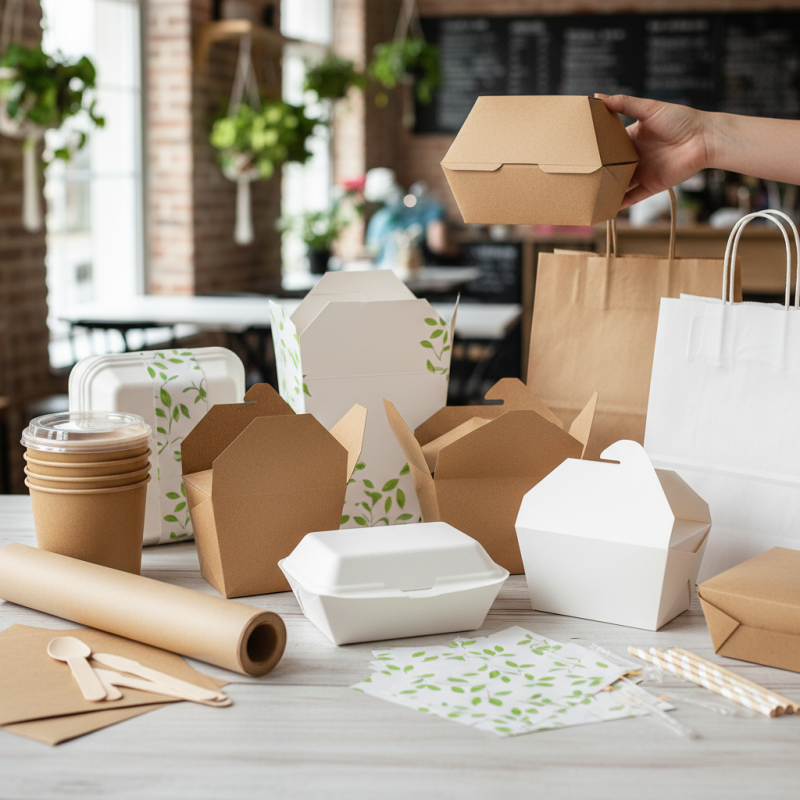
When selecting paper food packaging, understanding the types available is crucial. There are many options to consider. One popular choice is kraft paper. It is sturdy and sustainable. Kraft paper is great for wrapping sandwiches or burgers. It gives a rustic feel that many customers appreciate.

Another option is parchment paper. Parchment is often used for baking and food preparation. It provides a non-stick surface and can be used for food storage as well. However, it may not always be the best for holding liquids. It lacks moisture resistance, which is something to think about.

Grease-resistant paper is another option for fried or oily foods. This type helps prevent grease from soaking through. However, it may not be suitable for all food items. Some foods require more durability. Consider how your customers will use the packaging. It’s important to align the choice with your food items. Test different kinds to see what works best for you.
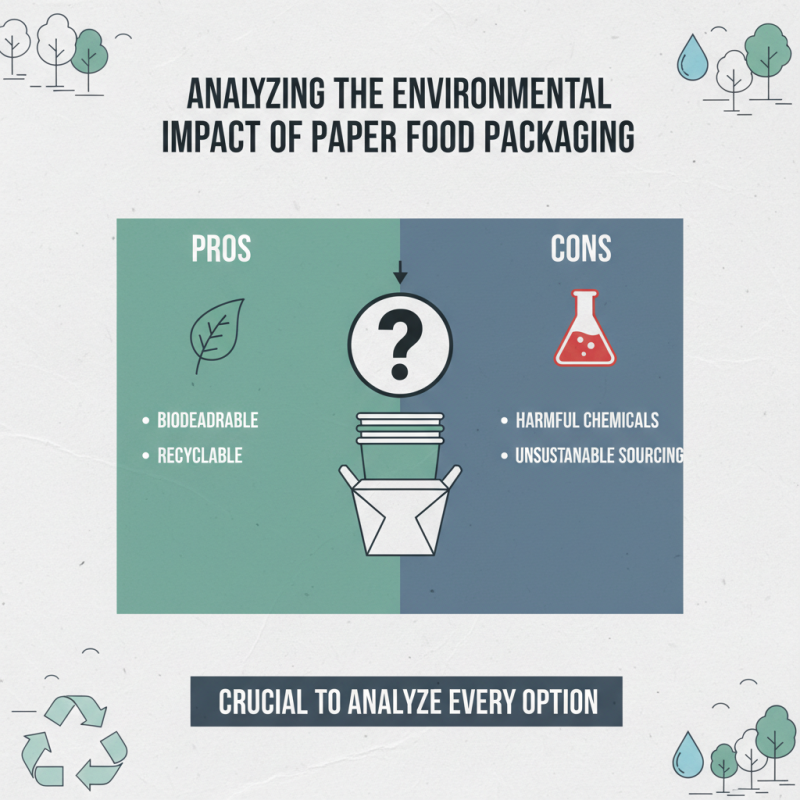
Analyzing the Environmental Impact of Paper Food Packaging

How to Choose the Best Paper Food Packaging for Your Business?

When considering paper food packaging, the environmental impact is crucial. Paper products can be biodegradable and recyclable. However, not all paper types are equal. Some contain harmful chemicals, while others are sourced unsustainably. This discrepancy makes it vital to analyze every option.

Tips for Choosing Sustainable Packaging: Look for papers certified by environmental organizations. A simple label can tell you about sustainable practices. Additionally, consider the life cycle of your packaging. Does it degrade in compost? Does it consume excessive resources? Small changes can lead to big improvements.

Evaluate your suppliers. Are they transparent about sourcing? Do they prioritize eco-friendly processes? Reflect on how your choice impacts the environment. Sometimes, cost-effective options may harm nature. Balancing cost, quality, and sustainability is essential. A well-thought-out choice can support a greener planet.

Evaluating Cost Considerations for Your Packaging Choices

When selecting paper food packaging, cost is a critical factor. Pricing must align with your budget. Consider not just the package cost, but also shipping fees and storage expenses. High-quality packaging may demand a larger upfront investment. However, it can lead to fewer complaints and returns. This may save money over time.

Think about the type of food you are packaging. Certain foods need specific materials to maintain freshness. A cheaper option might compromise quality, leading to food waste. Reflect on your target market. Some consumers value eco-friendly options, even if they cost more. They may not support businesses using cheap, non-sustainable materials.

Analyzing the long-term financial impact is essential. The cheapest option isn't always the best. Poor packaging can damage your brand's reputation. Customers notice quality. Investing in better materials can enhance experience and loyalty. Balancing cost and quality requires reflection and careful planning.

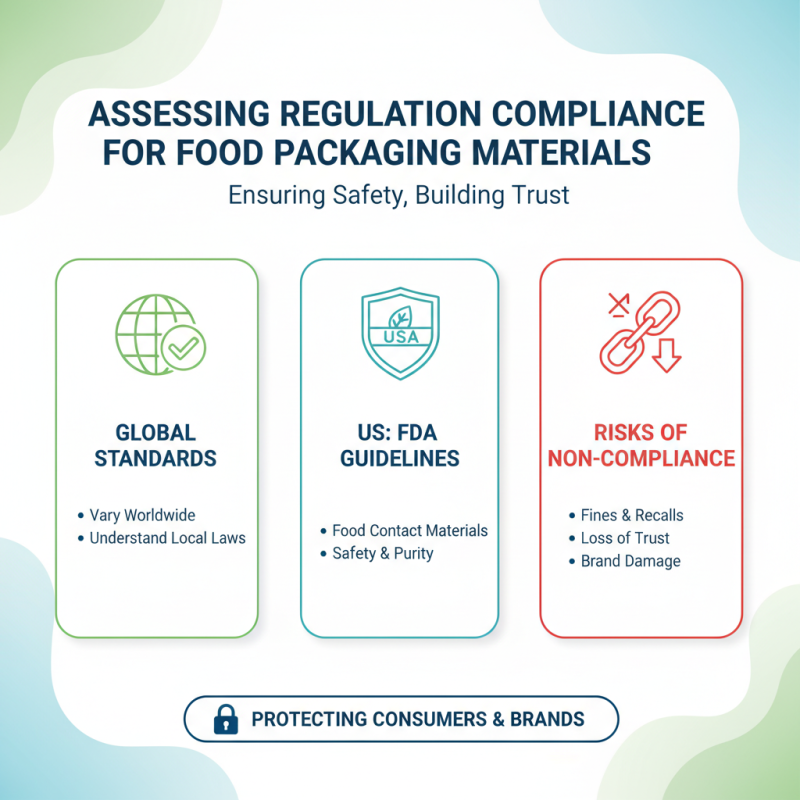
Assessing the Regulation Compliance for Food Packaging Materials

How to Choose the Best Paper Food Packaging for Your Business?

When considering food packaging, regulatory compliance is essential. Food safety regulations vary globally. Businesses must understand these laws to ensure their products are safe. In the U.S., the FDA provides guidelines for food packaging materials. Non-compliance can lead to hefty fines and product recalls, affecting brand trust.

Research from Smithers points out that the global market for paper-based food packaging is expected to exceed $200 billion by 2025. Companies must choose materials that meet these regulations while also being sustainable. For instance, biodegradable options can align with consumer preferences. However, businesses often overlook the fine print of regulations. This can result in using unapproved materials.

Evaluating certificates of compliance is crucial. Many businesses assume packaging materials are compliant without verification. Regular audits can help identify gaps. The challenge lies in balancing cost, sustainability, and compliance. Some materials may seem eco-friendly but lack necessary approvals. It's vital to stay informed about evolving regulations to mitigate risks. Investing time in compliance could save significant costs later.

Identifying Consumer Preferences and Trends in Food Packaging

Consumer preferences for food packaging are evolving. More people seek sustainable options. They want materials that are eco-friendly and biodegradable. Paper packaging aligns perfectly with these desires. It offers a natural feel that attracts health-conscious consumers. This choice can set a brand apart in a crowded market.

Trends show increased interest in minimalistic designs. Consumers appreciate simple, clear branding without excessive graphics. Transparency in packaging is also crucial. Food labels that clearly state ingredients resonate well. However, not all brands adopt these practices. Some still cling to outdated, flashy packaging that may not convey a genuine message.

It’s important to listen to customer feedback about packaging choices. Gathering insights can help in making informed decisions. Some businesses may overlook key preferences. They risk losing loyal customers as a result. Embracing change can be challenging, but it is vital for growth. Recognizing trends early can lead to innovative solutions in packaging design.

How to Choose the Best Paper Food Packaging for Your Business? - Identifying Consumer Preferences and Trends in Food Packaging

Dimension Consumer Preference (%) Current Trend (%) Sustainability Rating (1-5)
Biodegradability 75 80 5
Design Aesthetic 65 70 4
Cost-Effectiveness 80 75 3
Versatility 70 60 4
Food Safety 85 90 5