As businesses increasingly prioritize sustainability, selecting the right packaging materials becomes crucial. Experts like Dr. Emily Collins, a leader in sustainable design, emphasize, "The choice of packaging materials significantly impacts a brand's environmental footprint." This statement captures the essence of the current challenge in the industry.
Sustainable packaging is not just a trend. It's a necessary evolution. Companies must navigate various options, from biodegradable plastics to recycled cardboard. Each material offers unique benefits and challenges. The right choice may enhance brand image or fulfill consumer expectations. However, mistakes can lead to wasted resources and consumer distrust.
In a world where environmental concerns are paramount, companies must reflect on their choices. Are the selected packaging materials truly sustainable? Are they considering the entire lifecycle of the product? This reflection is vital. Choosing packaging materials requires careful thought and responsibility, impacting not only the bottom line but also the planet. The journey towards sustainable packaging is complex, yet promising.

Choosing sustainable packaging materials can seem daunting. With so many options available, understanding the basics is essential. Traditional plastics are harmful, contributing to pollution and waste. In contrast, sustainable materials like biodegradable films or recycled cardboard are better choices. These options reduce environmental impact significantly.
It’s important to evaluate the lifecycle of packaging. Some materials may seem eco-friendly but require extensive processing. Consider sourcing local materials. This minimizes carbon footprints and supports local economies. Alternatively, some compostable options need specific conditions to break down properly. Not every business has access to such facilities.
The right choice often depends on your specific needs. Shipping distances, product types, and shelf life all play critical roles. Factors like cost and availability cannot be ignored. Aligning these considerations with sustainability goals can be complex. Each decision warrants careful thought, bringing both challenges and opportunities for improvement.
When choosing sustainable packaging materials, it’s vital to assess their environmental impact. Biodegradability is one important factor. Materials that break down naturally can greatly reduce waste. Aim for products that decompose within a few months, not years. This can lessen landfill burden and support a circular economy.
Recyclability is another key aspect. Many materials can be reused, cutting down on resource consumption. However, not all recyclable items are processed locally. Research local facilities to know what can be recycled. This knowledge helps businesses avoid accidental contamination of recycling streams.
Remember to consider sourcing practices. Sustainable materials should be harvested responsibly. This reduces deforestation and promotes biodiversity. Look into certifications or labels that verify ethical sourcing. Overall, finding the right balance between environmental impact and functionality can feel overwhelming. Continuous reflection and adjustment are crucial in this journey.
| Packaging Material | Renewability | Recyclability | Biodegradability | Carbon Footprint (kg CO2e per unit) | Cost per Unit ($) |
|---|---|---|---|---|---|
| Recycled Cardboard | Yes | Yes | Yes | 0.5 | 0.30 |
| Bioplastic | Yes | Yes (depending on type) | Yes | 1.2 | 0.80 |
| Glass | No | Yes | Yes | 1.5 | 1.50 |
| Metal (Aluminum) | No | Yes | Yes | 1.9 | 0.90 |
| Plant-based Packing Peanuts | Yes | No | Yes | 0.4 | 0.50 |
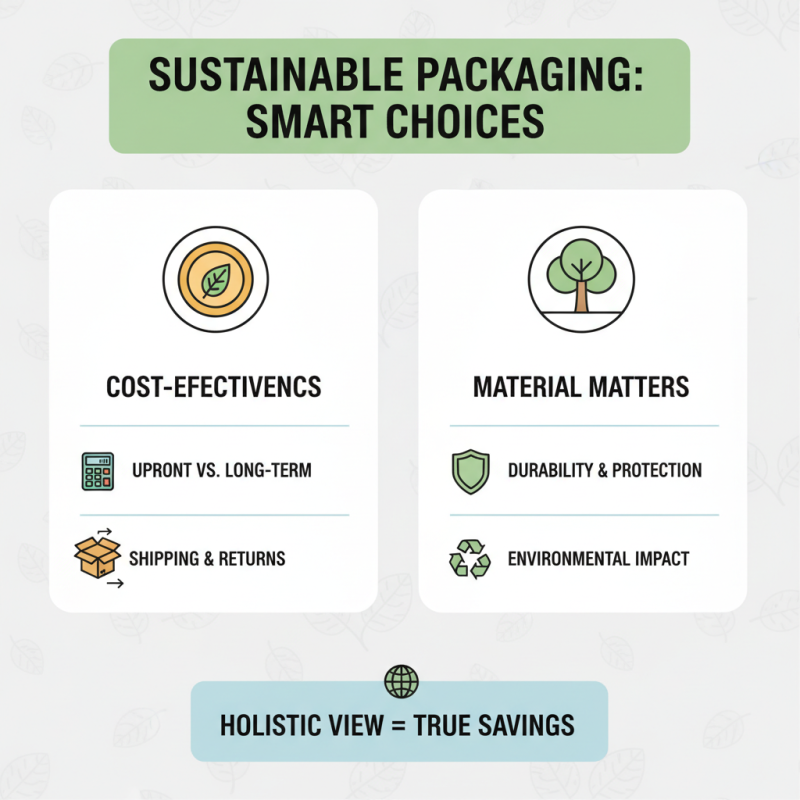
Choosing sustainable packaging materials can be tricky. Cost-effectiveness must be a priority. Some options might seem cheap upfront but can lead to bigger expenses later. Think about durability. A more expensive pack could reduce shipping costs and returns. It’s not just about the sticker price.
Tips: Analyze your supply chain. Are your materials eco-friendly? Do they reduce waste? A thorough evaluation helps. Consider costs over time, not just immediate expenses. This perspective can shift your strategy.
Evaluate the options carefully. Look at sourcing, production, and end-of-life. Some materials may need more energy during production. Others can be recycled easily, saving money in the long run. Remember, stock might not sell fast. Wasted inventory costs more than you think.
Tips: Test your materials before a full rollout. Gather feedback on performance and customer reactions. It will inform your final decision. Sustainable choices shouldn’t compromise quality. If it doesn’t hold up, customers won’t be happy.
Innovative sustainable packaging is reshaping industries. New materials are emerging to meet consumer expectations. In 2023, over 50% of companies reported increased demand for eco-friendly packaging. Many are exploring bioplastics, made from renewable resources. These materials can reduce reliance on fossil fuels and lower greenhouse gas emissions.
Trends show a rise in mushroom-based packaging. This biodegradable option can decompose within 30 days. Another exciting development is seaweed packaging. It offers a compostable alternative to plastic. According to a recent report, the global market for sustainable packaging is projected to surpass $500 billion by 2027. Yet, not all materials perform equally well. Questions remain about the durability and cost of these options.
Businesses must assess their specific needs. Understanding consumer behavior is vital. There may be a trade-off between sustainability and functionality. Some innovative solutions may not fully meet performance standards. Still, the potential to lessen environmental impact is significant. Continuous improvement in material technology will be crucial in the coming years.
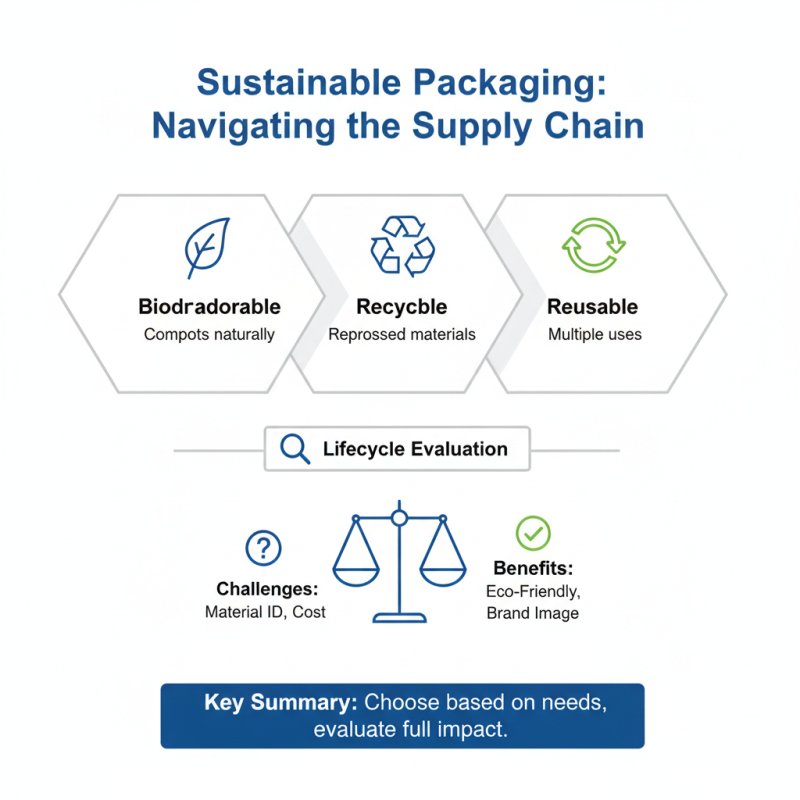
Implementing sustainable packaging in your supply chain can be challenging. Many businesses struggle to identify the right materials. It's essential to evaluate the entire lifecycle of each option. Consider biodegradable, recyclable, and reusable materials. They offer different benefits, but their effectiveness depends on your specific needs.
Another factor is supplier collaboration. Building relationships with suppliers can help you gain insights into sustainable options. However, not all suppliers prioritize sustainability. You may face pushback or insufficient choices. This requires thoughtful discussion and a commitment to educating partners.
Finally, remember that trial and error is part of the process. Some materials might not perform as expected. Reflect on what works and what doesn’t. It's a continuous journey towards better environmental practices. By being open to feedback and adaptation, you can enhance your packaging sustainability efforts over time.