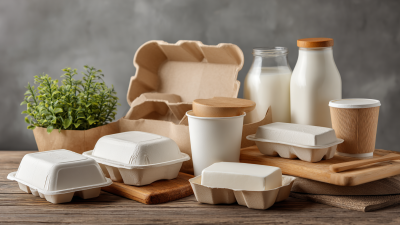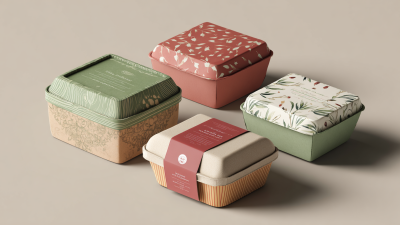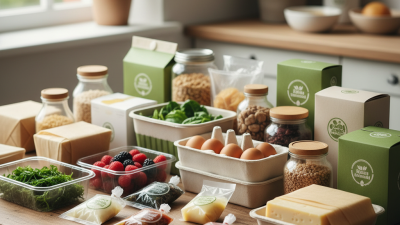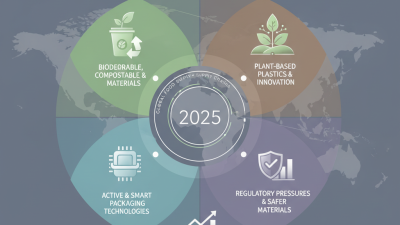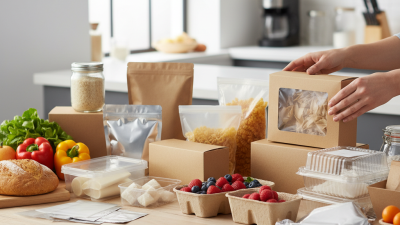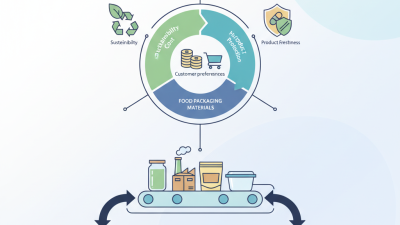
The shift towards sustainable sourcing is a critical topic in today’s food industry. Paper food packaging is gaining attention for its environmental benefits. According to the Global Paper Packaging Market report, the sector is expected to grow at a CAGR of 4.5% by 2027. This growth reflects a rising demand for eco-friendly materials.
Research indicates that over 70% of consumers prefer brands that use sustainable packaging. Paper food packaging offers an easily recyclable option. It contributes less to landfill waste compared to plastic. However, challenges remain in sourcing sustainable paper fibers. The environment still bears the cost of deforestation and carbon emissions. Brands must navigate these complexities while meeting consumer demand.
The choice of paper over plastic can be a double-edged sword. It fulfills customer preferences but requires careful sourcing and production processes. Brands need reliable suppliers who follow sustainable practices. This balance is crucial for businesses aiming to enhance their environmental credentials without compromising on quality. As the market evolves, the role of paper food packaging will be vital in shaping a more sustainable future.
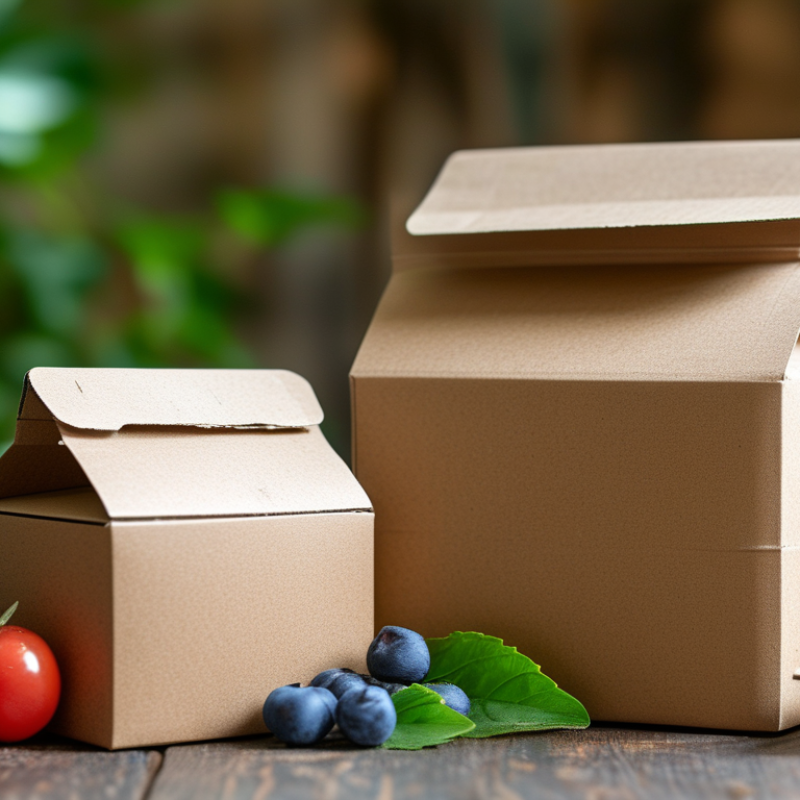
Paper food packaging has gained popularity as a sustainable option. It offers a range of benefits for environmental sustainability. First, paper is biodegradable and compostable. When disposed of properly, it breaks down easily. This reduces landfill waste and minimizes pollution.
Using paper can also lower carbon footprints. The production process often uses renewable resources. Many paper products come from responsibly managed forests. As a result, they help preserve ecosystems. Additionally, paper packaging can be recycled multiple times. This reduces the demand for virgin materials.
Tips: Consider using local suppliers. This minimizes transportation emissions. Look for certifications that confirm sustainability claims. Small changes can make a significant impact. Explore mixed material options for durability without compromising sustainability. It’s essential to research and reflect on your choices thoroughly.
| Benefit | Description | Environmental Impact | Recyclability |
|---|---|---|---|
| Biodegradable | Breaks down naturally in the environment, reducing landfill waste. | Low impact on ecosystems. | Fully recyclable. |
| Renewable Resources | Made from trees, a renewable natural resource when sourced sustainably. | Supports sustainable forestry practices. | Can be repulped for new products. |
| Lower Carbon Footprint | Typically requires less energy to produce compared to plastic packaging. | Reduces greenhouse gas emissions. | Contributes to circular economy. |
| Consumer Preference | Increasing demand for sustainable packaging options from consumers. | Encourages eco-friendly purchasing behaviors. | Easily accepted in recycling programs. |
| Versatility | Can be used for various types of food packaging. | Minimizes packaging waste and encourages responsible sourcing. | Recyclable and compostable options available. |
In the realm of sustainable packaging, paper food packaging emerges as a compelling alternative to plastic. Recent studies reveal that paper packaging boasts a lower carbon footprint. The World Economic Forum indicates that paper products can be recycled up to seven times, reducing waste and energy consumption significantly. In contrast, plastic can degrade over hundreds of years, contributing to environmental pollution.
The preference for paper increases when considering end-of-life options. A 2023 report from the Environmental Protection Agency highlights that over 66% of paper waste is recycled, compared to only 9% for plastics. Transitioning to paper can reduce landfill contributions and enhance resource recovery. However, there are challenges. Sourcing sustainable paper can be complicated. Sustainable forests must be managed correctly to avoid depleting natural resources.
Despite these complexities, the industry is gradually shifting towards responsible sourcing. Many manufacturers are committing to sustainable paper, showcasing transparency in their supply chains. Still, the journey is not seamless. Many stakeholders must collaborate to enhance sustainable practices in packaging. Fluctuating prices and resource competition can hinder this progress.
When it comes to food packaging, paper offers unique advantages. Paper packaging is biodegradable and recyclable, reducing environmental impact. It provides a sustainable alternative to plastics, aligning with eco-conscious values. The versatility of paper allows for various designs and functionalities to suit different food products.
In the food industry, paper packaging ensures safety and freshness. It acts as a barrier against moisture, preserving food quality. The ability to print vivid designs on paper also enhances branding without harming the environment. However, not all paper is created equal. Consider the source of the material. Sustainable forestry practices should be a priority. Opt for certifications that guarantee responsible sourcing.
Tip: Always check for eco-friendly inks used in printing. They enhance the sustainability of your packaging. Moreover, explore compostable options. This can help minimize waste even further. Reflection on these details can strengthen your commitment to sustainable practices while maintaining product integrity.
Consumers are increasingly opting for sustainable food packaging. Paper packaging stands out as a preferred choice due to its environmentally friendly properties. Many shoppers appreciate recyclable materials that reduce waste. This trend reflects a growing awareness of environmental issues.
People are gravitating towards brands that prioritize sustainability. They often scrutinize packaging materials before making a purchase. Yet, not all paper products are created equal. Some may contain harmful chemicals or unsustainable sources. This inconsistency can lead to confusion among consumers.
Understanding this landscape is crucial for brands. Transparency in sourcing is key to building trust. Engaging customers in conversations about the materials used can enhance brand loyalty. However, there is still much work to be done in educating consumers about the impact of their choices. As preferences evolve, brands must adapt while maintaining a commitment to sustainability.
In the realm of food packaging, paper stands out for its sustainability. Yet, producing paper packaging brings challenges that cannot be overlooked. Sourcing raw materials sustainably is a significant hurdle. Forest depletion can arise if responsible sourcing practices are ignored. Companies must ensure they use wood from certified forests. This vital step helps preserve ecosystems and supports biodiversity.
The production process itself also presents obstacles. Energy consumption is often high, leading to a larger carbon footprint than expected. Innovating in manufacturing techniques is essential. New technologies could minimize waste and reduce energy use. Additionally, paper packaging can sometimes lack durability. It may struggle to withstand moisture or heavy contents. Finding ways to improve resilience while maintaining environmental goals is necessary.
While the paper packaging industry makes strides, improvements are still needed. Companies must work together to address these issues. Transparency in supply chains is crucial for accountability. Understanding the full environmental impact allows for better decision-making. By facing these challenges head-on, the sector can enhance its credibility and continue to promote sustainability.