Why Choosing the Right Pastry Packaging is Essential for Freshness and Sales
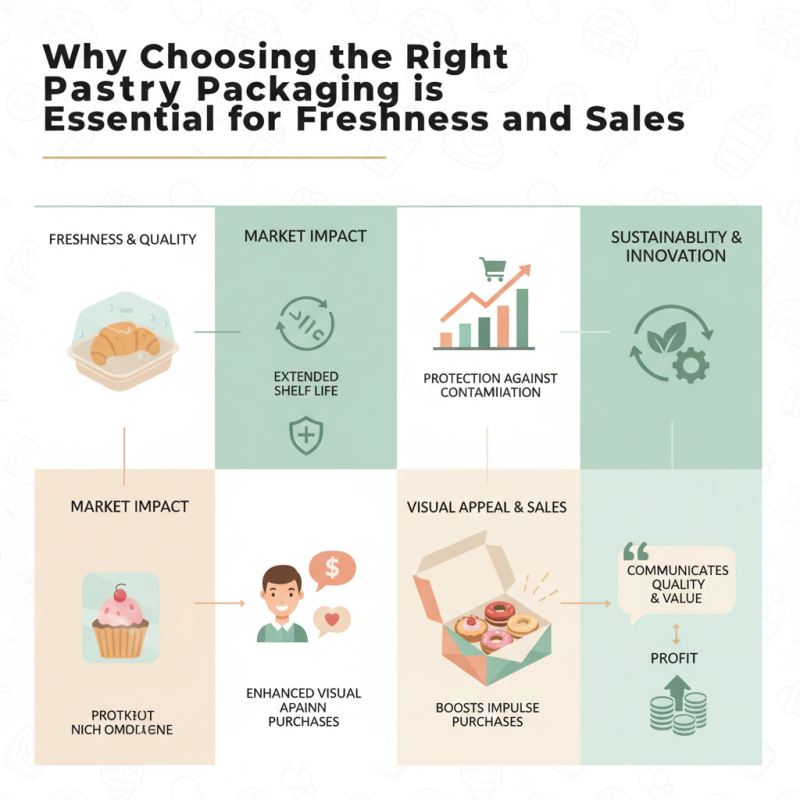
Choosing the right pastry packaging is crucial not only for maintaining the freshness and quality of baked goods but also for driving sales in a competitive market. According to a report by Smithers Pira, the global market for food packaging is expected to reach $500 billion by 2024, with a significant portion dedicated to perishable goods like pastries. Proper packaging solutions can extend shelf life, protect against contamination, and enhance visual appeal, which is vital for attracting consumers.
Industry expert John Baker, a well-known figure in the pastry packaging sector, emphasizes the importance of packaging design, stating, "Effective pastry packaging not only preserves freshness but also communicates the quality and value of the product to the consumer." With a focus on sustainability and innovation, the right packaging can engage customers and boost impulse purchases, ultimately impacting bottom lines. As bakeries strive to meet growing consumer demand for fresh and convenient products, selecting the appropriate packaging materials and designs has never been more essential for ensuring success in the marketplace.
Importance of Packaging in Preserving Pastry Freshness
The importance of packaging in preserving pastry freshness cannot be overstated. According to a report from the Packaging Industry Association, nearly 30% of bakery products are wasted due to improper packaging techniques. Effective packaging not only extends the shelf life of baked goods but also prevents exposure to moisture, air, and light, which can lead to staleness and spoilage. Research indicates that consumers are more likely to purchase products that prominently emphasize freshness and quality through their packaging design, with 60% of bakery sales influenced by the perceived freshness indicated by the packaging.
Moreover, the use of advanced materials and technologies in pastry packaging can significantly enhance product integrity. A study published in the Journal of Food Science revealed that vacuum sealing and nitrogen flushing can reduce oxidation rates by up to 40%, thereby maintaining flavor and texture for a longer period. In a marketplace where competition is fierce, businesses that invest in quality packaging not only protect their pastries but also enhance their brand image and, ultimately, their sales. Proper packaging can serve as a silent but powerful marketing tool, appealing to health-conscious consumers who prioritize freshness and quality in their purchasing decisions.
Types of Packaging Materials Suitable for Pastries
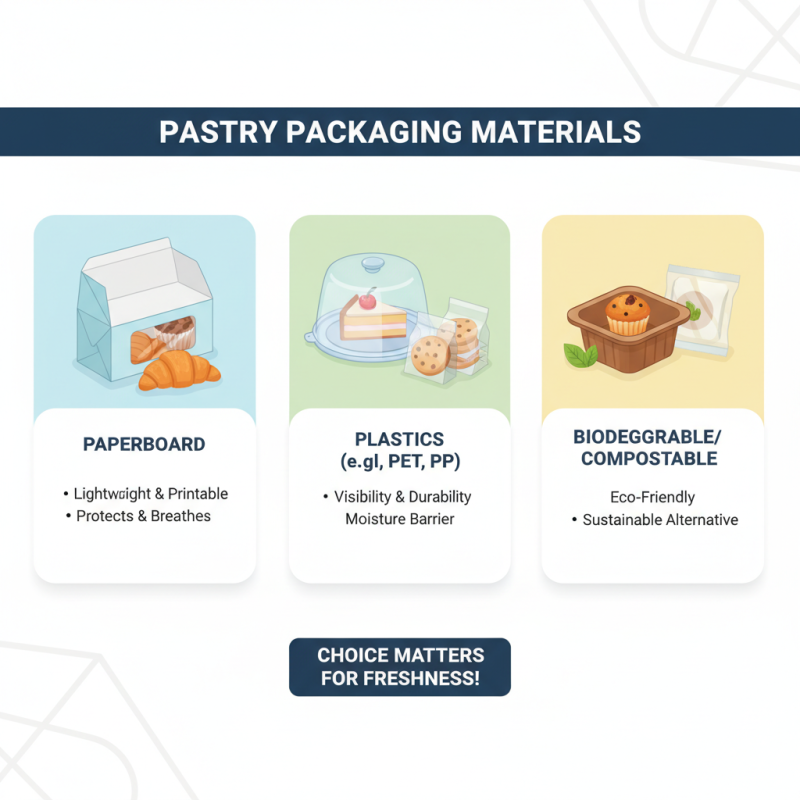
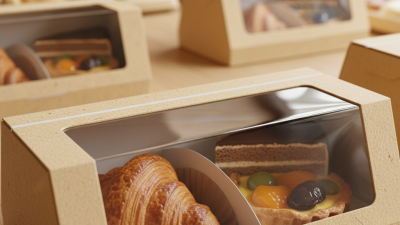
When it comes to preserving the freshness of pastries, the choice of packaging materials plays a crucial role. Several types of materials are commonly used in the pastry industry, each with its own advantages. For instance, paperboard is a popular option due to its lightweight nature and ability to be printed with attractive designs, making it visually appealing to customers. Additionally, paperboard can effectively protect pastries from external contaminants while allowing for some breathability, which helps maintain the desired texture of baked goods.
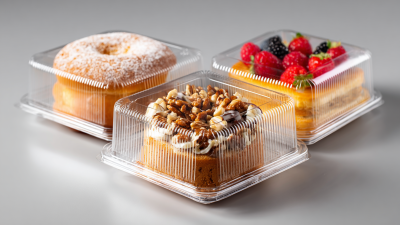
Another excellent packaging material is plastic, particularly in the form of clamshell containers or bags. Plastic provides an airtight seal that can significantly extend the shelf life of pastries by preventing moisture loss and exposure to air. This is particularly valuable for delicate items, as it protects them from crushing. Moreover, transparent plastic packaging allows customers to see the product clearly, enticing them to make a purchase. Lastly, biodegradable options are gaining popularity, reflecting a growing consumer preference for environmentally friendly packaging. These materials can offer similar protective benefits while aligning with eco-conscious values, making them an attractive choice for both businesses and consumers.
Impact of Packaging Design on Consumer Purchasing Decisions
Packaging design plays a vital role in influencing consumer purchasing decisions, especially in the pastry sector, where presentation can make or break a sale. According to a study by Packaging Strategies, approximately 72% of consumers report that packaging design significantly impacts their initial purchasing choices. The visual appeal, functionality, and the information provided on the packaging all contribute to the consumers' perception of the product's quality. High-quality graphics, attractive colors, and innovative shapes not only catch the eye but also convey freshness, which is essential in the highly competitive pastry market.
Moreover, the type of packaging can enhance the perceived value of the product. As reported by the Food Marketing Institute, around 60% of consumers are willing to pay more for products that have premium packaging. Eco-friendly materials are particularly attractive, as a 2021 Nielsen report indicated that 73% of millennials are willing to pay extra for sustainably packaged food products. By investing in thoughtful and appealing packaging design, pastry brands not only ensure that their products stand out on the shelf but also build a stronger connection with environmentally-conscious consumers, thereby driving sales and brand loyalty.
Sustainability Considerations in Pastry Packaging Choices
In recent years, sustainability has become a paramount consideration in pastry packaging choices. The food industry is increasingly recognizing the importance of eco-friendly materials that not only preserve product freshness but also reduce environmental impact. Biodegradable or recyclable materials can be utilized to create packaging that aligns with both consumer preferences and regulatory standards. This not only helps in minimizing waste but also fosters a positive brand image that attracts environmentally conscious consumers.
When selecting packaging, businesses should consider the lifecycle of the materials used. Opting for packaging that is sourced from renewable resources or that can be returned for reuse helps in creating a circular economy within the pastry industry. Additionally, integrating minimalist designs reduces excess material usage while still providing an appealing presentation.
Tips:
1. Explore compostable packaging options made from plant-based materials to convey your commitment to sustainability.
2. Implement a take-back program where customers can return packaging for reuse, promoting circular practices and engaging your community.
3. Clearly label your products with eco-friendly symbols to inform consumers of your sustainable choices, enhancing trust and loyalty.
Impact of Pastry Packaging on Freshness and Sales
Best Practices for Storing Pastries to Maximize Shelf Life
When it comes to storing pastries, maximizing shelf life is crucial for both maintaining freshness and driving sales. The first step in effective pastry storage is ensuring that the packaging is not only secure but also breathable. Using materials that allow for airflow can prevent moisture buildup, which can lead to sogginess and spoilage. Moreover, it’s essential to store pastries in a cool, dry place away from direct sunlight, as excessive heat can affect their texture and taste.
In addition to proper packaging and storage locations, temperature control plays a significant role in preserving pastry quality. Refrigeration might be necessary for items with perishable fillings, but it’s important to avoid prolonged storage in the fridge, as this can alter the pastry’s flaky texture. For best results, consider using airtight containers to shield pastries from external elements while allowing for some ventilation. Implementing these best practices not only extends the shelf life of products but also enhances the overall customer experience, leading to increased sales and repeat business.