How to Choose the Best Cookie Packaging for Your Needs?

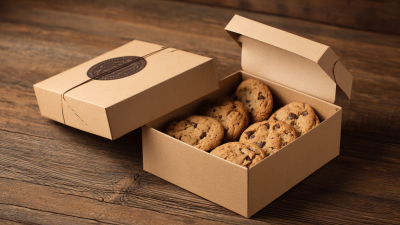
Choosing the right cookie packaging is crucial for any baking business. The right packaging not only maintains freshness but also reflects your brand's identity. Cookie packaging can enhance the visual appeal of your products. Customers are drawn to well-packaged cookies, often making purchasing decisions based on first impressions.

Many factors influence the choice of cookie packaging. Consider the materials you use. Eco-friendly options are becoming increasingly popular. They show customers that you care about the environment. Also, pay attention to the size and shape. Your cookies should fit snugly to prevent damage. Packaging that is too loose may lead to broken cookies.

It’s wise to test different packaging designs. Sometimes, what seems appealing may not perform well in real-life scenarios. Think about the practicality. Packaging should be easy to open, yet secure. Customers appreciate convenience, and your packaging can make a difference in their experience.
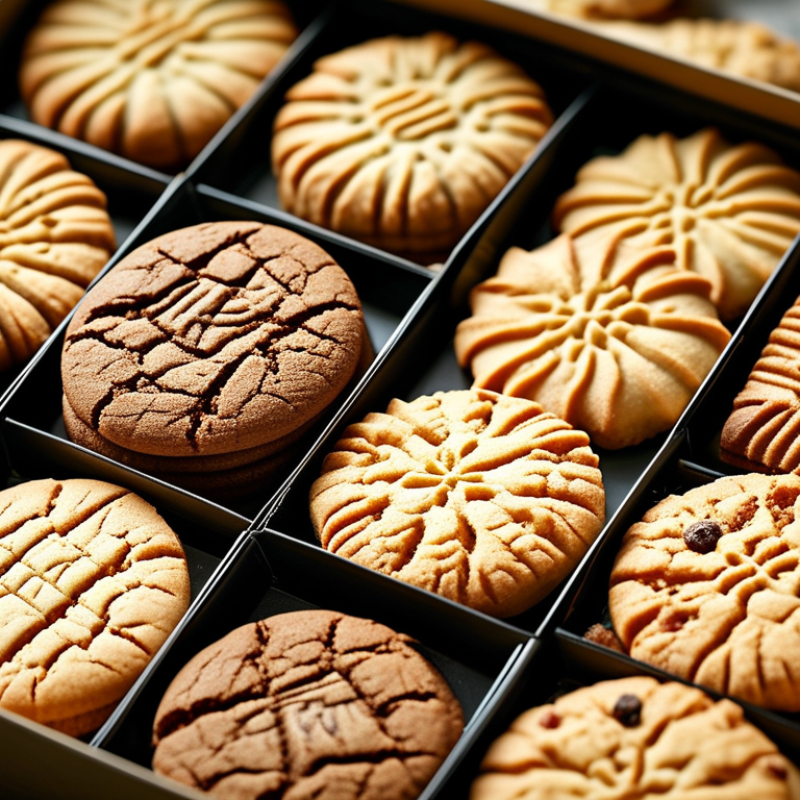
How to Choose the Best Cookie Packaging for Your Needs?

Understanding Different Types of Cookie Packaging Materials

Choosing the right cookie packaging involves understanding the various materials available. Common options include cardboard boxes, plastic containers, and flexible pouches. Each material offers unique benefits and challenges. Cardboard is often preferred for its eco-friendliness and ability to maintain cookie freshness. On the other hand, plastic containers provide durability and are great for visual appeal. However, they may contribute to environmental concerns.

Flexible pouches have gained popularity due to their lightweight nature and reduced shipping costs. According to a 2022 report by the Flexible Packaging Association, flexible packaging can reduce carbon footprint by up to 50% compared to traditional containers. Yet, consumers may view pouches as less premium, raising questions about perceived quality. It’s essential to balance practicality with brand image.

Consider the following tips when selecting packaging. Always test materials for durability to ensure they protect your cookies during transit. Evaluate the sustainability of your chosen packaging. Commit to options that minimize environmental impact. Remember, your packaging reflects your brand values. Prioritize designs that convey quality while being functional. Ultimately, the goal is to enhance customer satisfaction and boost sales.

Evaluating the Impact of Packaging on Cookie Shelf Life

When it comes to cookie shelf life, packaging plays a crucial role. The right materials can significantly extend freshness. Airtight containers prevent moisture and air from compromising your cookies. Consider using materials that provide insulation. This helps in maintaining texture and flavor. Transparent packaging can showcase your product, increasing appeal, but it may not always protect from light exposure.

Choosing the right packaging involves assessing the environment your cookies will be in. If they will be stored in a humid area, moisture-resistant packaging is essential. Resealable bags might seem convenient, yet they can allow air to seep in after repeated use. Think about using thick, durable films that can resist punctures and tears.

Testing different methods can lead to mixed results. Sometimes, eco-friendly options may not offer the same protection as traditional materials. Evaluate how each type of packaging impacts the cookies over time. Look for changes in taste and texture. This reflection will help improve your choices for future packaging decisions.

How to Choose the Best Cookie Packaging for Your Needs? - Evaluating the Impact of Packaging on Cookie Shelf Life

Packaging Type Material Shelf Life (Days) Cost per Unit ($) Environmental Impact
Plastic Pouch Plastic 30 0.15 Low
Cardboard Box Cardboard 45 0.25 Medium
Glass Jar Glass 60 1.50 Low
Tin Tie Bag Paper 35 0.20 Medium
Plastic Clamshell Plastic 40 0.30 High

Choosing the Right Size and Shape for Your Cookie Packaging

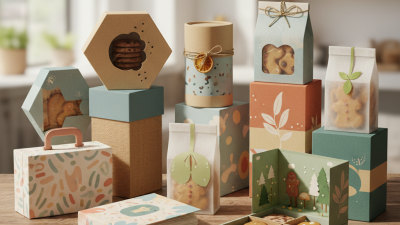
Choosing the right size and shape for cookie packaging is crucial for both aesthetics and functionality. Studies show that 72% of consumers consider packaging before making a purchase. This means that well-designed packaging can attract more customers. The packaging must serve practical purposes while also appealing visually. For example, a standard rectangular box might be efficient, but unique shapes can create a memorable experience.

When determining the size, consider the quantity of cookies packed. A smaller box for a dozen cookies may entice buyers looking for a quick treat. However, larger containers work well for gifts or family sizes. According to industry reports, flexible packaging has grown by 16% over the past five years. This is partly due to versatility in shapes and sizes.

Additionally, think about how the shape impacts shipping and storage. Irregular shapes could mean wasted space during transportation. It’s essential to find a balance between creativity and practicality. Sustainable materials also play a role. Reports suggest that 56% of consumers are willing to pay more for eco-friendly packaging. Thus, the chosen size and shape should also align with sustainability goals, reflecting a brand's commitment to environmental responsibility.

Designing Eye-Catching Packaging that Attracts Customers

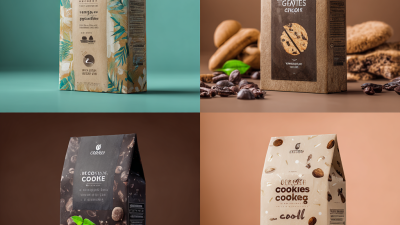
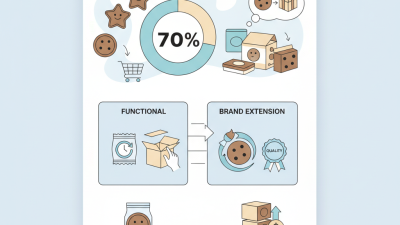
When designing cookie packaging, visuals play a pivotal role in attracting customers. Research shows that 70% of consumers make snap judgments based on packaging design alone. Bold colors, unique shapes, and imaginative graphics stand out on shelves. These elements create emotional connections and spark curiosity. This connection is vital, as brands that engage customers visually often increase their sales significantly.

Sustainability is another critical aspect of packaging. Studies indicate that 64% of consumers prefer environmentally friendly packaging. Using recycled materials or biodegradable options can resonate deeply. Attractive designs that highlight sustainability can capture attention and encourage purchases. This approach can also differentiate a brand in a crowded market, showcasing a commitment to the environment.

Incorporating clear product information is essential as well. Packaging should provide essential details without overwhelming the consumer. Transparency about ingredients and sourcing can enhance trust. However, brands must balance aesthetics with functionality. Overly intricate designs might confuse or mislead customers. Real-world feedback can refine and improve packaging, turning it into a more effective marketing tool.

Considering Environmental Sustainability in Cookie Packaging Choices

Choosing the right cookie packaging is essential, especially when considering environmental sustainability. Many options exist, and it can be overwhelming. Eco-friendly materials, such as compostable films or recycled cardboard, offer good alternatives. These choices are not only sustainable but also appeal to environmentally conscious consumers.

When selecting packaging, reflect on the entire lifecycle. Consider how the materials will be disposed of after use. Encouraging customers to recycle or compost their packaging can enhance your brand's image. Use clear messaging on the packaging to educate consumers.

Think about durability as well. Weak packaging can lead to broken cookies, which is frustrating. Also, striking a balance between aesthetics and functionality is crucial. Sustainable doesn’t always mean unattractive. Explore innovative designs that are both eco-friendly and eye-catching. High-quality photography can also showcase your cookies beautifully while maintaining a sustainable approach.

Environmental Sustainability in Cookie Packaging Choices