
How to Choose the Best Packaging Machinery for Your Business?

Choosing the right Packaging Machinery for your business is crucial. The right equipment can enhance efficiency, reduce costs, and improve product presentation. Packaging machinery plays a pivotal role in operations, impacting both speed and quality.

When selecting packaging machinery, numerous factors come into play. Consider your product's size, weight, and fragility. The speed of production lines also matters. You might think all machines are similar, but small differences can have significant effects. Exploring various types of machinery, from filling and sealing to labeling, is essential.

It's easy to overlook maintenance requirements. Machinery needs regular check-ups to avoid unexpected downtimes. A reliable supplier can guide you through the options available, ensuring better choices. Reflect on your long-term goals. Are you preparing for growth? Investing in the right machinery can support your vision. Make informed decisions, as the right packaging machinery is an investment in your brand's future.
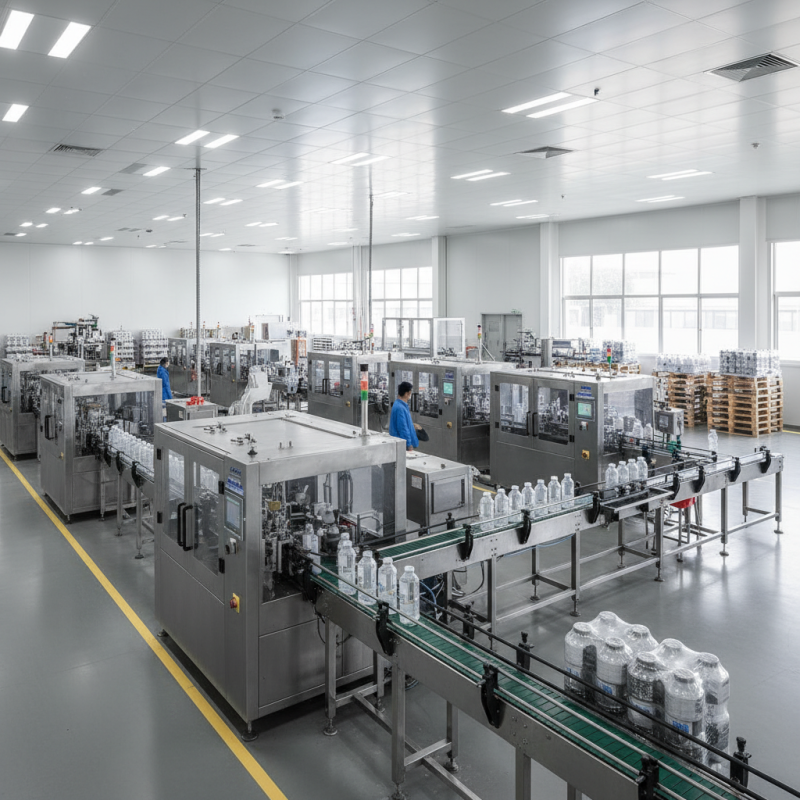
How to Choose the Best Packaging Machinery for Your Business?

Understanding Your Business's Packaging Needs

Understanding your business's packaging needs is crucial for success. Start by assessing your product types. Different products require different packaging solutions. For instance, a fragile item needs protective packaging, while a consumable demands freshness. Analyze your storage and distribution methods as well. This will influence your machinery requirements.

Consider the volume of your production. If you anticipate high demand, investing in faster machinery can save time and labor costs. Evaluate your budget too. Sometimes, a more affordable option might not meet all your needs efficiently.

Moreover, don’t overlook future growth. Will your packaging needs change over time? Secure flexibility in your machinery choice. Contemplate your eco-friendly goals. Choose materials that align with sustainable practices. It’s essential to find balance while ensuring reliability and quality in packaging.

Evaluating Different Types of Packaging Machinery

When evaluating different types of packaging machinery, businesses must consider several key factors. The type of products being packaged plays a major role. For example, liquids, solids, and fragile items all require different machinery. A filling machine may be perfect for juices, while a vacuum sealer is better for dry, perishable goods. Understanding the physical requirements of your products can streamline the selection process.


Additionally, speed and efficiency are important. Some machines handle higher volumes than others, affecting production timelines. Researching the average speed of different machines can help gauge their suitability for your needs. However, speed should not sacrifice quality. Subpar sealing or labeling can lead to product waste. Sometimes, slower machines may deliver better packaging integrity.


Maintenance considerations cannot be ignored. Some machinery requires frequent upkeep, which can incur hidden costs. It’s essential to evaluate the manufacturer's reputation for reliability. Look for customer reviews or case studies that speak to the longevity of their machinery. Remember to factor in your staff's training needs as well. Complex systems may lead to inefficiencies if your team lacks experience in operating them. Being aware of these aspects will help inform the best choice for your business's packaging needs.

Key Features to Consider in Packaging Machines

Choosing the right packaging machinery can significantly impact your business operations. When evaluating options, consider the machine's efficiency. Speed and output capacity are crucial. A machine that runs at high speeds can enhance productivity. However, speed shouldn't compromise quality. Look for equipment that balances both.

Next, think about versatility. Some machines can handle different packaging types and sizes. This flexibility can save costs and space in your facility. If your products change frequently, a machine that easily adapts is key.

Pay attention to ease of use and maintenance. Complexity can lead to errors and downtime. Machines should offer user-friendly interfaces. Regular maintenance schedules help keep operations smooth. Remember, a reliable machine will enhance your workflow but may require an initial learning curve. It's important to invest time in training your staff.

Assessing Budget and Cost-Effectiveness

When assessing budget and cost-effectiveness for packaging machinery, it's crucial to examine not just the initial cost but also the long-term value. Some machines may seem cheaper upfront but can lead to higher maintenance costs. Consider the total cost of ownership. This includes repair, energy consumption, and labor costs over time. An expensive machine that lasts longer may save money in the long run.

Evaluating your production needs is vital. Understand your production volume, types of products, and packaging materials. If your production fluctuates, flexible machinery may be the best option. This adds versatility to your operations. Remember to factor in training costs for your team. A more complex machine may require extensive training, impacting your overall budget.

Conducting a cost-benefit analysis can help clarify which equipment offers the best return on investment. Consultative dialogues with industry experts can provide insights. They can guide you through the options. Carefully weighing these considerations can prevent poor purchasing decisions that may waste resources and disrupt operations. Remember, the wrong choice can affect your bottom line significantly.

Cost-Effectiveness of Different Packaging Machinery Types

Researching and Comparing Suppliers and Brands

When researching packaging machinery, it's crucial to evaluate multiple suppliers and brands. The global packaging machinery market was valued at approximately $47 billion in 2022 and is expected to grow significantly, reaching around $70 billion by 2028. This rapid growth indicates a diverse range of options available. However, not all suppliers offer the same quality or technology.

Start by examining the supplier's reputation. Look for those who have experience in your industry. Check customer reviews and case studies. The best suppliers often share their technological advancements and customer successes. It's also essential to analyze their customer service and support. A reliable supplier should provide training and maintenance services.

Comparing brands is another critical step. Different brands may specialize in specific types of machinery. For instance, some are experts in automated solutions, while others focus on eco-friendly materials. Pay attention to warranties and after-sale support. A brand that offers comprehensive support typically demonstrates confidence in its products. This choice can impact long-term efficiency and cost-effectiveness in your operations.

How to Choose the Best Packaging Machinery for Your Business?

Criteria Option A Option B Option C
Speed (units/hour) 150 200 175
Cost ($) 25,000 30,000 28,000
Maintenance Cost (annual) 2,500 3,000 2,800
Energy Consumption (kWh/hour) 5 6 5.5
Warranty (years) 2 5 3
User Ratings (out of 5) 4.2 4.5 4.3