2026 How to Choose the Right Packaging Materials for Your Product?

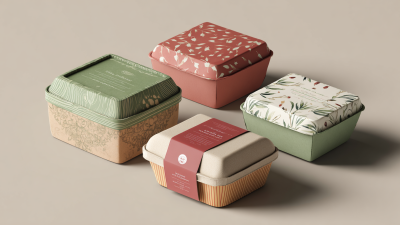
Choosing the right packaging materials is crucial for any product. Good packaging protects your product and enhances its appeal. It influences customer perception and brand image.

Different products require different materials. For instance, food products often need biodegradable options. Electronics benefit from protective casings. Selecting the wrong packaging materials can lead to damage or spoilage.

Many businesses overlook the impact of packaging on sustainability. Consumers increasingly prefer eco-friendly options. Reflecting on your choices can generate long-term benefits. Balancing cost, functionality, and aesthetics is key. Make careful decisions to avoid common pitfalls in packaging.

2026 How to Choose the Right Packaging Materials for Your Product?

Understanding the Importance of Packaging Materials in Product Delivery

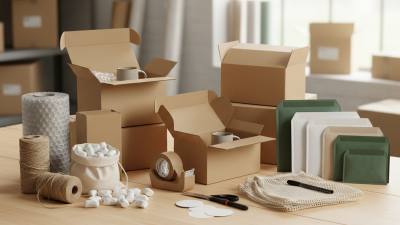
Packaging materials play a crucial role in product delivery. They protect items from damage during transport. Choosing the right materials can enhance the unboxing experience. It’s not just about protecting; it’s also about presentation. Eye-catching designs can attract customers. Yet, balance is necessary. Some materials may look good but lack durability.

Sustainability is another factor to consider. Consumers are becoming more eco-conscious. Using biodegradable or recyclable packaging can boost brand image. But, this sometimes comes at a higher cost. Businesses might feel torn. They want to reduce waste but must consider expenses.

Testing different packaging materials can reveal surprising results. A sturdy box might be too heavy. A lighter option could save on shipping costs. However, if it breaks easily, it leads to unhappy customers. It’s a delicate dance between cost, protection, and sustainability. Each choice brings questions, offering a chance to rethink strategies.
Understanding the Different Types of Packaging Materials

This chart illustrates the sustainability ratings of various types of packaging materials on a scale from 1 to 10. Understanding these ratings can help businesses choose the appropriate packaging that aligns with their sustainability goals.

Assessing Product Characteristics and Packaging Material Needs

When selecting packaging materials, understanding your product’s characteristics is crucial. For instance, fragile items require cushioned materials, while perishable goods need breathable options. According to a recent industry report, 72% of consumers are influenced by packaging design. This shows that your choice of materials isn't just functional; it also affects marketability.

Tip: Always consider the environmental impact. Sustainable materials are gaining popularity. The Global Packaging Alliance reported that 55% of consumers prefer eco-friendly packaging. Using recycled materials can enhance brand image. But, ensure these materials also meet your product’s needs.

Don’t underestimate the impact of cost. Quality packaging can be expensive. However, sacrificing quality for cheaper options can lead to damaged products. A study showed that 30% of products are returned due to poor packaging. Assessing your packaging strategy is essential for maintaining customer satisfaction and reducing costs over time.

Exploring Different Types of Packaging Materials Available

2026 How to Choose the Right Packaging Materials for Your Product?

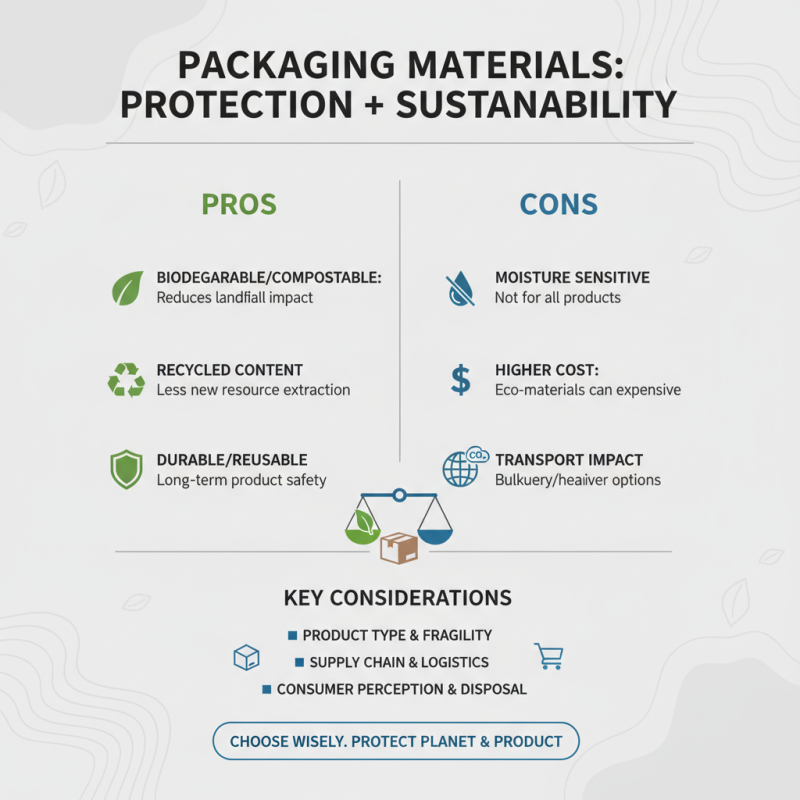
Choosing the right packaging materials can be challenging. Many options are available on the market, each with pros and cons. For those looking to protect their products while maintaining sustainability, understanding these choices is essential.

Plastic packaging remains popular, accounting for about 40% of global packaging volume. However, environmental concerns are rising. Many consumers prefer alternatives like cardboard. About 70% of shoppers are more likely to buy products in eco-friendly packaging. This shift puts pressure on manufacturers to choose wisely. Using biodegradable or recycled materials can enhance brand reputation.

Glass is another option, offering a premium feel and excellent product preservation. Yet, it can be heavier and more fragile. Damage rates can reach up to 5% during shipping. This can lead to increased costs and waste. Balancing product safety with cost efficiency is a common struggle. Each material has a unique impact on branding and budget. Taking the time to evaluate these factors is crucial.

Evaluating Cost-Effectiveness and Sustainability of Options

Choosing the right packaging materials for a product involves delicate considerations of both cost-effectiveness and sustainability. In today's market, consumers increasingly favor brands that prioritize eco-friendly options. It's essential to assess not just the initial cost, but also the long-term environmental impact.

When evaluating packaging options, consider renewable resources. Materials like recycled paper or biodegradable plastics reduce waste. However, the cost of production might be higher. You need to ask, is this extra cost justifiable? Sometimes, cheaper materials lead to negative perceptions about quality.

Tips: Always compare prices from different suppliers. Look for discounts on bulk orders. Evaluate the lifecycle of the materials you choose. Are they recyclable? Can they be reused?

Sustainability requires a commitment. You might find that some sustainable options are not as durable. This can lead to product damage during shipping. Think about the trade-offs involved. The goal is to balance economy and environmental responsibility.

2026 How to Choose the Right Packaging Materials for Your Product? - Evaluating Cost-Effectiveness and Sustainability of Options

Packaging Material Cost per Unit Sustainability Rating Recyclability Weight (grams)
Cardboard $0.10 4.5 Yes 50
Plastic (PET) $0.20 3.0 Yes 30
Glass $0.50 4.8 Yes 200
Biodegradable Plastic $0.35 4.2 Partially 40
Metal (Aluminum) $0.25 4.6 Yes 40

How to Test and Validate Packaging Solutions Before Finalizing

2026 How to Choose the Right Packaging Materials for Your Product?

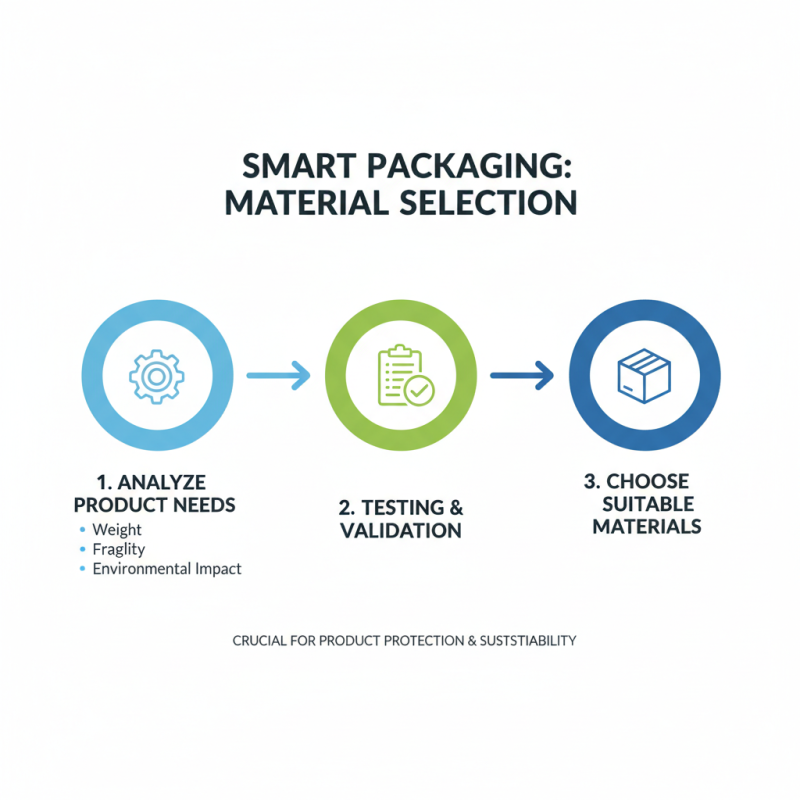
When choosing packaging materials, testing and validation are crucial. Start by analyzing your product’s needs. Understand its weight, fragility, and environmental impact. This step helps in selecting suitable materials.

Tip: Try using prototype packaging. This allows you to see how your product fits inside. Make sure it protects the item during transport. Use different padding materials to test their effectiveness.

Consider the feedback from test runs. Gather opinions from team members and potential customers. They may notice flaws you overlooked. Be open to making changes based on their insights.

Tip: Conduct drop tests to evaluate durability. Watch how the packaging performs under real-world conditions. This step reveals weaknesses. Adjust your design accordingly to improve safety and aesthetics.

Packaging is more than just a container. It reflects your brand’s values and quality. Make sure your packaging enhances the overall product experience.