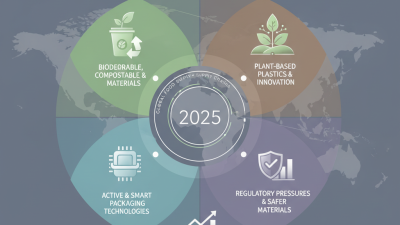
In 2026, the food packaging design landscape is rapidly evolving. According to a recent report by Grand View Research, the global food packaging market is projected to reach $500 billion by 2027, growing at a CAGR of 5.5%. This growth underscores the importance of innovative packaging strategies that resonate with both consumers and brands. Sustainable materials, minimalistic designs, and smart technology integration are key trends shaping the future.
Consumer preferences are shifting towards eco-friendly solutions. A Nielsen survey indicates that 66% of consumers are willing to pay more for sustainable packaging. This creates challenges for brands to balance cost, design, and environmental impact. Food packaging design must not only attract the eye but also reflect the values of sustainability. The task is complex, considering the wide array of materials and technologies available.
Brands face the dilemma of standing out in a crowded marketplace. The right packaging can enhance product visibility and consumer engagement. However, not all designs resonate equally. It’s essential to test consumer responses to various prototypes. This iterative process leads to more effective and relevant food packaging design, ultimately driving brand loyalty.
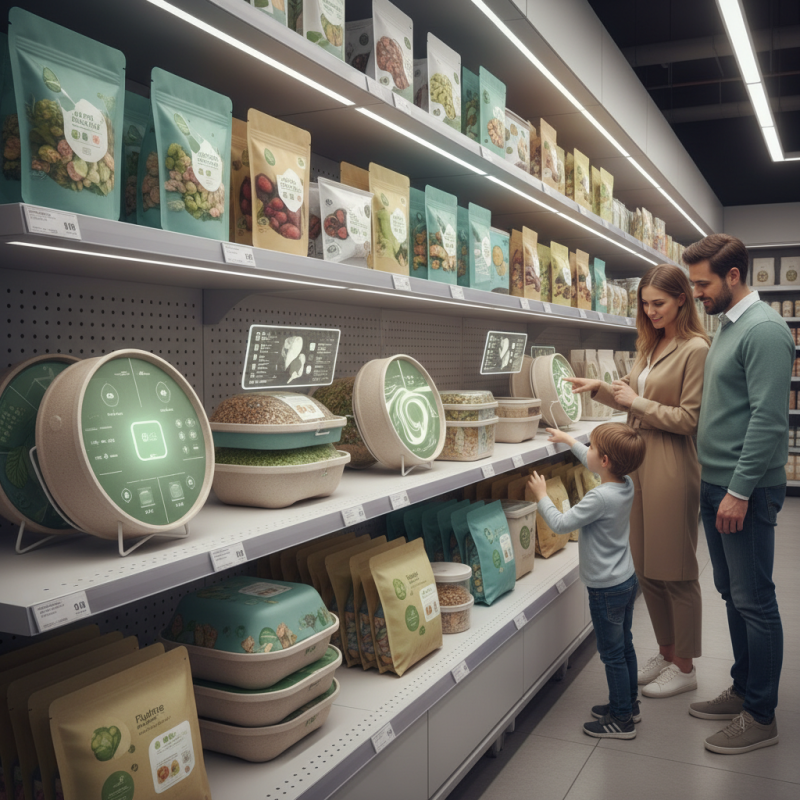
In 2026, food packaging design plays a crucial role in influencing consumer choices. Research indicates that 72% of consumers decide on a product based solely on its packaging. This statistic underscores the importance of aesthetics, functionality, and sustainability in the design process. Effective packaging not only attracts attention but also communicates brand values and product quality.
Sustainability is becoming a key focus. A report states that 66% of consumers prefer brands that use eco-friendly packaging. This shift pushes companies to rethink materials and processes. Biodegradable options and reduced plastic usage align with consumer expectations. Transparent packaging can also build trust. It allows customers to see the product while assuring them of its quality.
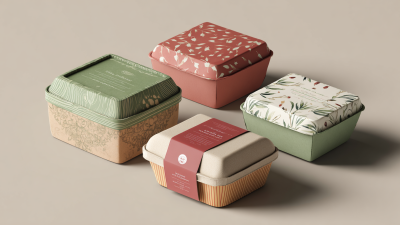
Tips: Consider using minimalistic designs that convey messages clearly. Optimize for shelf display while ensuring convenience for consumers. Remember, an appealing design can elevate even simple products. Test various designs and gather consumer feedback. Adjustments based on insights can lead to more successful outcomes. Staying informed about trends and consumer preferences is vital in this rapidly changing market environment.
When considering effective food packaging in 2026, understanding your target audience is crucial. This means digging deep into their preferences and lifestyle choices. Are they health-conscious? Eco-friendly? Reflecting on these questions guides your design choices. Researching market trends can provide insights into what resonates with consumers today.
Tips: Use simple visuals that communicate your message quickly. Color psychology plays a big role in attracting attention. For instance, green signifies health, while blue can represent trust.
Incorporating sustainable materials is becoming more essential. Consumers often prefer brands that showcase their commitment to the environment. However, these materials can sometimes elevate costs. Finding the balance between sustainability and budget can lead to tough decisions.
It's also important to stay ahead of trends. For example, minimalist designs are on the rise. They project cleanliness and efficiency. Yet they might not stand out on crowded shelves. Reflecting on what works best for your product requires thoughtful consideration.
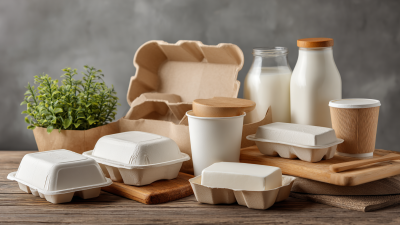
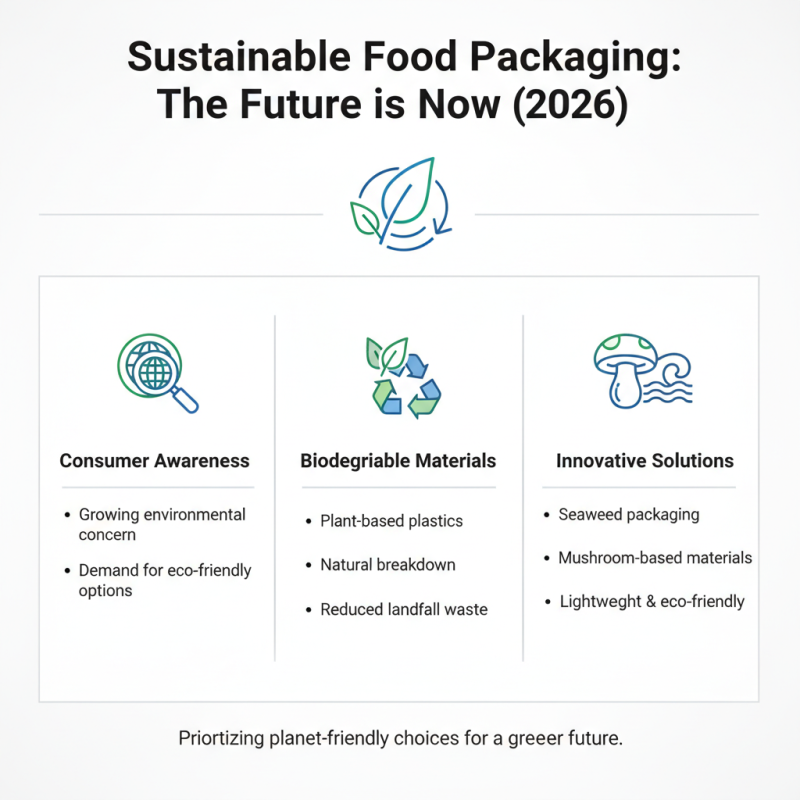
In 2026, food packaging design must prioritize sustainability. Consumers are increasingly aware of their environmental impact. Biodegradable materials, such as plant-based plastics, are gaining popularity. These options break down naturally, reducing landfill waste. Many companies are exploring innovative materials made from seaweed or mushrooms, which are both lightweight and eco-friendly.
However, not all sustainable options are flawless. The production of certain plant-based materials can still consume significant water and energy. Packaging that claims to be biodegradable may not always decompose easily. Education about these materials is crucial. Consumers need clarity on what sustainable packaging truly means.
A successful design must harmonize functionality with eco-friendliness. Packaging should protect the product while minimizing environmental harm. Transparency in material sourcing will also foster trust among consumers. Designers need to think beyond aesthetics; they must consider the longer-term impact of their choices on the planet. This approach can reshape how we view food packaging and sustainability as a whole.
In 2026, effective food packaging design must balance aesthetics with functionality. Attractive packaging grabs attention. However, it must also serve a practical purpose. Research indicates that 72% of consumers prefer packaging that highlights sustainability. Color and imagery impact consumer choices greatly, especially in food items.
Functionality involves protecting food and ensuring freshness. According to a recent study, packaging that extends shelf life increases purchase probability by 30%. Yet, achieving this can be challenging. Designers face the dilemma of innovative materials versus traditional approaches. Sustainable options often come at a higher cost. Consumer preferences can change rapidly, making it essential to adapt designs continuously.
Additionally, the tactile experience matters. Consumers are drawn to packaging that feels good to touch. This is especially true for products aimed at younger demographics. Brands that integrate sensory elements often see higher engagement. Nevertheless, not all designs succeed. Testing and feedback are crucial. Missteps can lead to wasted resources and lost sales.
In 2026, food packaging design must prioritize regulatory compliance and safety standards. Each country has specific guidelines. These regulations ensure that packaging materials are safe for contact with food. For instance, the use of BPA in plastics is closely monitored. Brands should thoroughly research local laws for compliance.
Effective food packaging should also emphasize usability. Is the packaging easy to open? Does it protect the product during transport? These factors influence not only safety but also consumer experience. An intuitive design can reduce waste. However, balancing aesthetics and functionality can be tricky.
Brands should not overlook the importance of sustainability. Many consumers prefer eco-friendly materials. Compliance with environmental regulations is becoming critical. This adds another layer to the design process. Continuous adaptation is necessary. The evolving landscape of regulations demands ongoing education and awareness. Embracing these challenges can lead to innovative packaging solutions.