How to Choose Effective Food Packaging Design at Canton Fair?

In the competitive realm of food packaging design, standing out is crucial. As the 139th Canton Fair approaches, it’s imperative for brands to consider their packaging aesthetics closely. Experts highlight that effective design can drive consumer decisions. Renowned industry leader, Dr. Jane Thompson, states, “Consumers often choose products based on packaging before considering contents.” This insight underlines the importance of strategic design.

Recent studies indicate that 72% of consumers share their packaging experiences on social media. This trend amplifies the need for impactful food packaging design. A well-thought-out design not only attracts attention but also conveys brand values. Quality materials and innovative shapes enhance shelf appeal and often increase sales.

As the Fair introduces AI navigation features, businesses can connect more efficiently with suppliers specializing in food packaging. However, brands must reflect critically on their design choices, avoiding pitfalls like overcomplicated packaging that can confuse consumers. Striking the balance between creativity and clarity in food packaging design remains a challenging yet essential endeavor.

How to Choose Effective Food Packaging Design at Canton Fair?

Understanding the Importance of Food Packaging Design at Canton Fair
How to Choose Effective Food Packaging Design at Canton Fair?

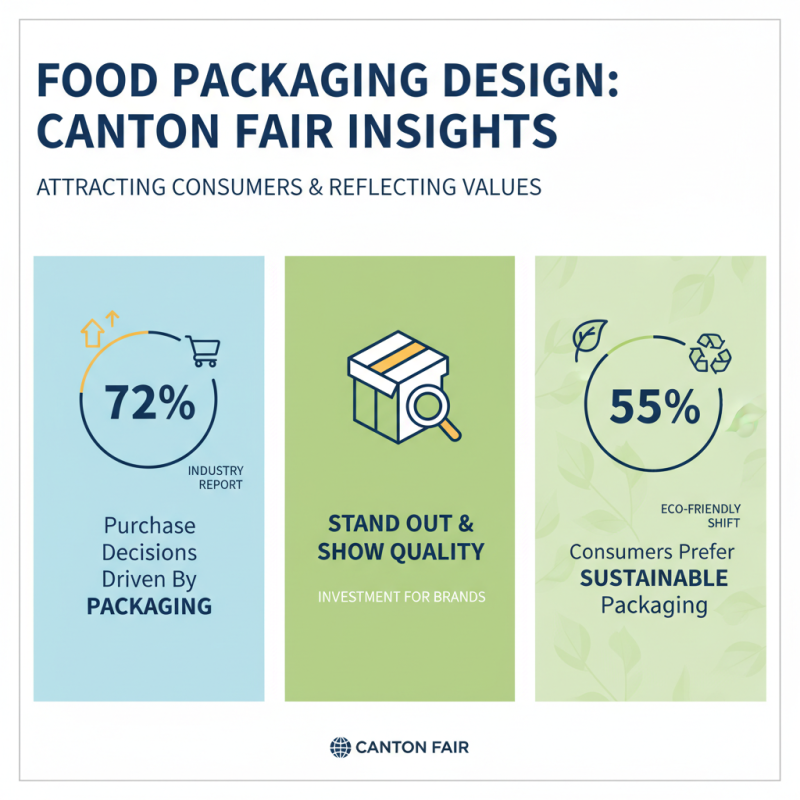
Effective food packaging design plays a crucial role in attracting consumers at events like the Canton Fair. According to industry reports, 72% of purchase decisions are driven by packaging. This statistic highlights the need for brands to invest in packaging that stands out while reflecting their product's quality. Eco-friendly materials are becoming increasingly popular, with 55% of consumers expressing a preference for sustainable packaging. This shift indicates a need for careful consideration in design choices that align with consumer values.

At the Canton Fair, the visual appeal of packaging can make or break a product's success. Vibrant colors and unique shapes can catch the eye, but clarity is vital. Products shrouded in overly intricate designs may confuse potential buyers. Audiences often favor straightforward information about ingredients and benefits. A striking package must also communicate essential details effectively. Research shows that 61% of consumers prioritize transparency in food labeling, emphasizing the balance between aesthetics and information.

However, it is essential to recognize that not all designs will resonate with every target audience. Demographic factors play a significant role in consumer preferences. Relying solely on trends can lead to missed opportunities. Engaging in market research can aid in understanding the target demographic better. Brands should be willing to experiment, learn, and adapt. Continuous reflection on design efficacy is necessary to ensure lasting impact at events like the Canton Fair.
Identifying Your Target Market and Their Preferences

When attending the Canton Fair, understanding your target market is essential. Researching the preferences of potential customers can guide your packaging design choices. For instance, consider age, culture, and lifestyle. A younger audience may prefer vibrant colors and trendy designs. Meanwhile, older consumers might lean towards classic and minimalist styles. This knowledge helps you create packaging that resonates.

Seeing it in practice, imagine attending a food packaging showcase. You notice vibrant designs attracting a crowd of young shoppers. They reach out, excited about the colors and playful elements. But nearby, packages with dull colors sit untouched. This contrast reinforces the importance of aligning your design with your audience's tastes.

However, it’s easy to get lost in trends. It’s important not to overlook the practicality of packaging. Will it preserve freshness? Is it easy to open? These are crucial questions. Balancing aesthetics and functionality requires reflection. Maybe your initial ideas focus too much on visuals. An effective design appeals, but it must also serve its purpose well.

How to Choose Effective Food Packaging Design at Canton Fair? - Identifying Your Target Market and Their Preferences

Target Market Key Preferences Packaging Material Design Elements Sustainability Focus
Health-conscious Consumers Low calories, organic, natural ingredients Biodegradable materials Minimalist design, clear labeling High priority on eco-friendly options
Families with Children Family-size portions, fun colors Durable plastic or carton Cartoon characters, bright graphics Moderate emphasis on sustainability
Young Professionals Convenience, portability, trendy styles Lightweight and resealable packaging Sleek design, modern fonts Increasing preference for sustainable materials
Gourmet Food Enthusiasts Premium quality, gourmet ingredients Glass or high-quality plastic Elegant design, sophisticated colors Strong focus on eco-friendly options

Evaluating Packaging Materials for Safety and Sustainability

How to Choose Effective Food Packaging Design at Canton Fair?

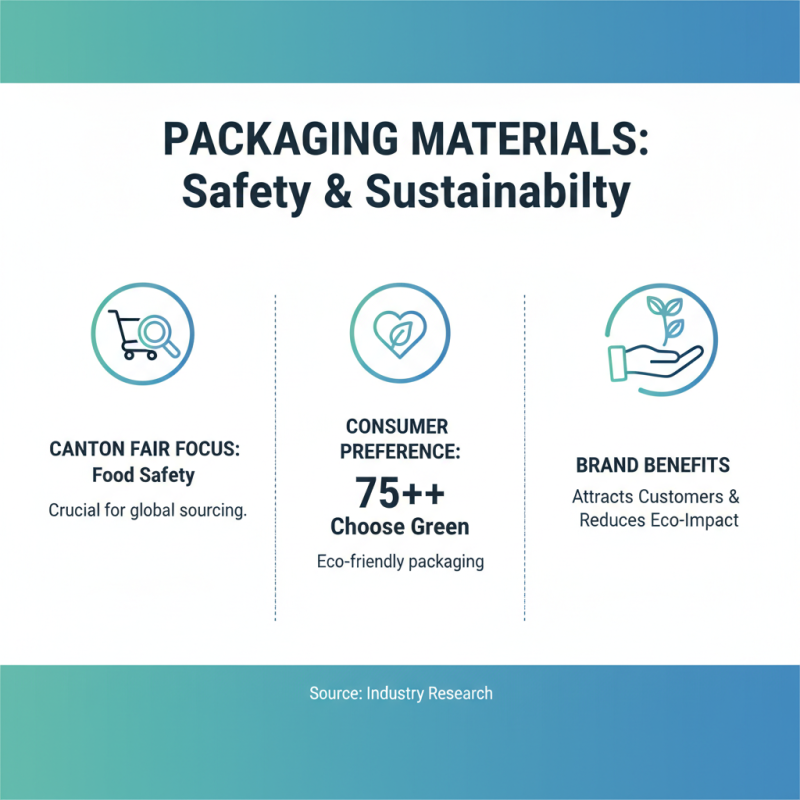
When attending the Canton Fair, evaluating packaging materials for food safety and sustainability is crucial. Research shows that over 75% of consumers prefer brands that prioritize sustainable packaging. Using eco-friendly materials not only attracts customers but also reduces environmental impact.

Various materials like biodegradable plastics, glass, and recycled paper are growing in popularity. Biodegradable plastics can break down in a few months, while traditional plastics can take centuries. However, not all biodegradable options offer equal benefits. Some may still release harmful substances during decomposition. Consumers need transparent information on material safety.

Packaging must also ensure food protection without compromising health. Many consumers are concerned about chemicals leaching from packaging. Recent studies indicate that around 30% of food packaging fails safety tests. With stricter regulations emerging, brands must carefully assess and choose their packaging to avoid potential liabilities. Sustainable choices should balance safety and environmental impact, providing a holistic approach to food packaging design.

Incorporating Brand Identity into Design Elements

When it comes to food packaging design, brand identity plays a crucial role. A well-defined visual identity can increase brand recognition by up to 80%. Many consumers make decisions based solely on packaging. Colors, typography, and imagery must align with the brand's mission. Each element should tell a story about the product and its origins.

Incorporating unique features, like eco-friendly materials, enhances the brand image. Studies show that 64% of consumers are willing to pay more for sustainable packaging. However, not all designs resonate equally. Some brands struggle with clashing colors or inconsistent themes. This can dilute the brand message and confuse potential buyers.

Testing designs through focus groups can provide valuable insights. Many companies skip this step, leading to missed opportunities. Feedback can reveal whether the packaging effectively communicates the brand’s values. Continuous refinement is essential. One mistake can overshadow great products. Therefore, investing time in design aligns packaging with the brand's vision.

Effective Food Packaging Design at Canton Fair

This chart represents various design elements and their effectiveness as perceived by attendees at the Canton Fair. The data illustrates how brand identity can influence the preference for food packaging designs.

Navigating Regulatory Requirements for Food Packaging Design

Navigating regulatory requirements for food packaging design can be complex. It varies from country to country. Each region has its criteria to ensure safety and compliance. Understanding these regulations is crucial for success at trade events like the Canton Fair.

Start by researching local laws. Know what materials are allowed. For instance, some countries ban certain plastics that can leach harmful substances. Aim for sustainable materials, but don't overlook legal specifications. Often, businesses focus too much on aesthetics and forget about functional requirements. This can lead to costly mistakes and redesigns.

Consider labeling regulations as well. Accuracy is vital. Labels must display nutrition facts and ingredient lists clearly. Misleading information can lead to fines. Inadequate or unclear labeling could alienate potential buyers. Continuous reflection and adaptation are necessary. Regular audits of packaging can help maintain compliance and enhance appeal.