Essential Tips for Effective Packaging Printing Strategies?

Effective packaging printing is a critical aspect of product presentation. The right strategies can enhance brand visibility and attract customers. Businesses often underestimate the power of packaging. Quality packaging makes a strong first impression. It communicates value and tells a story about the product.

When planning your packaging printing, consider your target audience. What colors and designs will catch their eye? Think about materials that resonate with your brand’s identity. Sustainable options are becoming increasingly popular and can appeal to eco-conscious consumers. Reflect on your choices. Sometimes, the most common designs can become dull.

Experimentation is key in packaging printing. Don’t shy away from trying new techniques or finishes. An innovative design can make your product stand out on a crowded shelf. However, remember that not every idea will resonate with your audience. It’s essential to gather feedback and adapt when necessary. Effective packaging is a journey, not just a destination. Adjust your strategies as you learn more about what works.

Essential Tips for Effective Packaging Printing Strategies?

Understanding the Importance of Packaging Printing in Marketing
Essential Tips for Effective Packaging Printing Strategies?

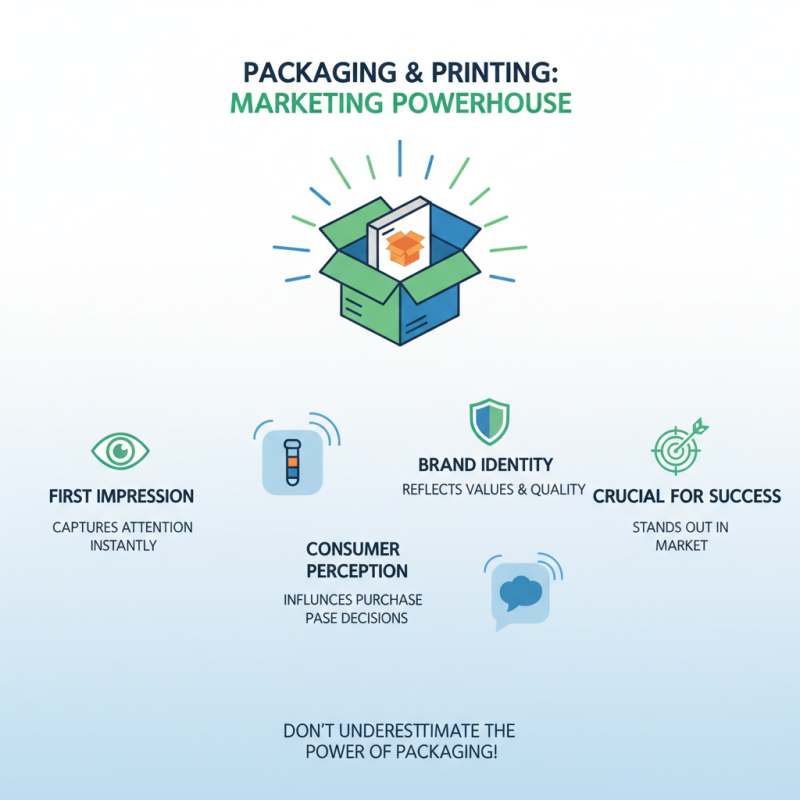
Packaging printing plays a crucial role in marketing. It creates the first impression of a product. Effective packaging can capture attention. It reflects your brand's values and quality. Consumers often judge a product by its packaging. That’s why getting it right is so important.

One tip for successful packaging is to use vibrant colors. Bright colors can attract more eyes. Consider your target audience when choosing colors. For instance, younger consumers might prefer bold, trendy designs. Meanwhile, adults may favor sophisticated, muted tones.

Another essential aspect is clear messaging. Keep text concise and direct. Use fonts that are easy to read. Ensure that your logo stands out. Sometimes, less is more. Busy designs can overwhelm customers. Take time to reflect on your design choices. It might be beneficial to gather feedback before finalizing.
Choosing the Right Materials for Effective Packaging Printing

Choosing the right materials for effective packaging printing is crucial. Different materials can greatly impact the final product's appeal. In fact, studies show that 72% of consumers prefer products with better packaging. This preference can lead to higher sales and brand loyalty.

Paper-based materials are popular choices. They are recyclable and can be printed with vivid designs. The global market for paper packaging was valued at approximately $300 billion in 2020. However, cheaper options may compromise quality. It's essential to balance cost and durability. Some manufacturers still overlook this aspect.

Plastic materials, on the other hand, offer flexibility. They can be lightweight and are often cheaper. Yet, they come with environmental concerns. Reports suggest that around 30% of global packaging waste comes from plastic. Companies need to reflect on their choices. Sustainable practices should guide material selection. Failing to do so may lead to negative public perception.

Investing in quality materials and sustainable practices is crucial for effective packaging. It reflects a brand's values and commitment to the environment. If businesses neglect this, they may face backlash. Ultimately, the right choices can enhance both product appeal and corporate responsibility.

Essential Tips for Effective Packaging Printing Strategies

Design Principles for Eye-Catching Packaging Graphics

Eye-catching packaging graphics play a crucial role in attracting consumers. According to recent studies, 72% of purchasing decisions are influenced by packaging design. That’s a significant number. It shows how vital it is to focus on the visuals. Simple yet impactful designs often outperform elaborate ones. Bold colors and clear images grab attention quickly.

Emphasizing contrast is a powerful technique in packaging. A well-thought-out color scheme can set the mood. Use colors that resonate with your target audience. According to a report by the Packaging Graphics Institute, 62% of shoppers prefer vibrant colors. However, be cautious not to overload with elements. A cluttered package can confuse consumers. One logo, one message is often best.

Typography also plays a role in graphics. Clear, legible fonts allow for easy reading. Research indicates that a thoughtful font choice can enhance brand recognition by 20%. But choosing the wrong typeface can detract from the product’s appeal. Test different fonts and styles. See what resonates with your audience. Remember, design is not just about aesthetics; it's about creating a meaningful connection.

Ensuring Print Quality: Techniques and Technologies

Effective packaging printing strategies hinge on maintaining print quality, which often proves challenging. Several techniques can help achieve this. For instance, understanding the paper's texture and weight is crucial. A glossy finish can enhance colors, while matte surfaces may diminish vibrancy. Choosing the right inks is equally significant. Water-based inks are safer for the environment but may not provide the same richness as solvent-based options.

Using advanced printing technologies can markedly improve outcomes. Digital printing allows for high customization and faster turnaround. However, it's essential to monitor color consistency through each run. Even with the best technology, misalignments and miscommunication can occur. Regular calibration of machines can mitigate these issues. On the other hand, relying solely on technology overlooks the human aspect. Artisans who understand print nuances add that touch of expertise which machines can't replicate.

Lastly, quality checks during and after the printing process are essential. It's not just about perfect prints; minor defects can affect the entire batch. A careful eye can catch issues like smudges or misprints early on. Reflecting on past projects may reveal recurring problems. Learning from previous missteps is imperative for future success.

Essential Tips for Effective Packaging Printing Strategies

Dimension Technique/Technology Benefits Considerations
Color Management Pantone Matching System (PMS) Consistency across different prints Ensure color accuracy in design files
Material Selection Sustainable Packaging Materials Environmental benefits and consumer appeal Cost and availability
Printing Techniques Flexography High speed and efficiency Initial setup costs can be high
Finishing Options Lamination Improved durability and aesthetics Increased production time
Quality Control Digital Quality Inspections Early detection of printing issues Investment in technology required

Sustainable Practices in Packaging Printing to Reduce Waste

Essential Tips for Effective Packaging Printing Strategies?

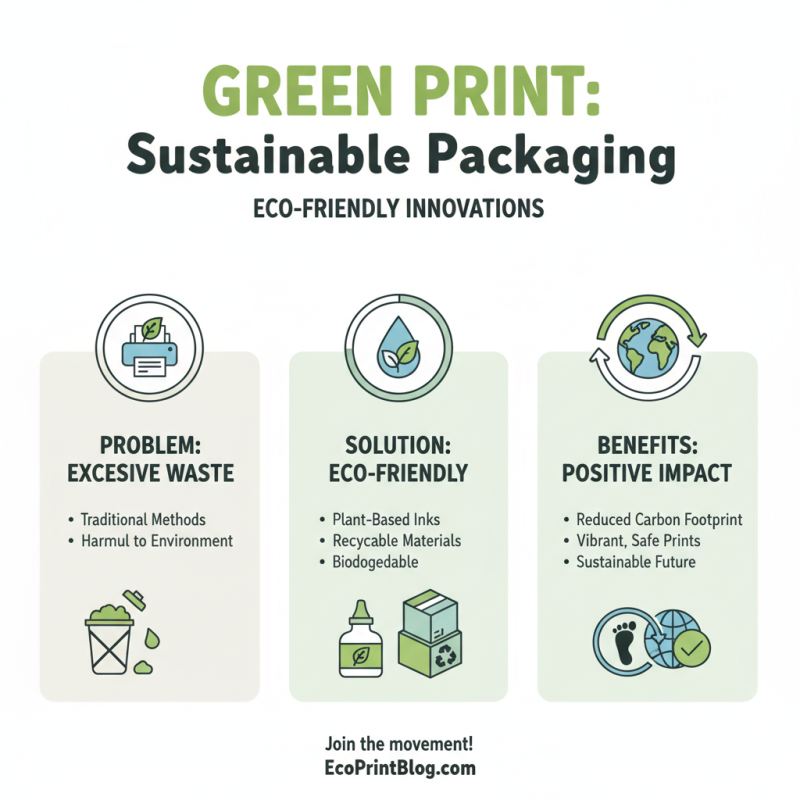
In today's world, sustainable practices are crucial in packaging printing. Traditional printing methods often lead to excessive waste. To combat this, businesses can switch to eco-friendly inks and materials. These alternatives are less harmful to the environment. They also reduce the carbon footprint during production. Imagine using plant-based inks that are vibrant yet biodegradable.

Many companies still rely on non-recyclable materials. This creates challenges in waste management. Switching to recyclable substrates can significantly minimize environmental impact. It's important for manufacturers to evaluate their supply chains. Choosing local suppliers can also cut down transportation emissions. A conscious decision can resonate throughout the entire packaging process.

However, adopting sustainable practices isn't always straightforward. Some might find eco-friendly materials more expensive. Others worry about durability or print quality. Each decision requires careful consideration and some trial and error. Packaging firms must reflect on these challenges to find viable solutions. By experimenting with different methods, they can discover what works best. The journey toward sustainable packaging is filled with valuable lessons.