Top Piston Filler Machines for Efficient Production Needs?
In the fast-paced world of packaging, efficiency is crucial. Piston Filler machines stand out for their precision and reliability. According to industry expert John Smith, "A reliable piston filler is the backbone of any efficient production line." This highlights the essential role these machines play in various sectors, including food, pharmaceuticals, and cosmetics.
Manufacturers are increasingly turning to piston fillers to meet growing production demands. These machines offer accuracy in filling fluids of varied viscosities. They ensure minimal waste and maximize output, making them a preferred choice in many facilities. However, not all piston fillers are created equal. Some may fall short in performance or require frequent maintenance.
Investing in a high-quality piston filler can yield substantial returns. Selecting the right machine is critical, as it directly impacts production quality and speed. Businesses must evaluate their specific needs and consider factors like ease of use, durability, and support. This careful selection process often leads to stronger production lines and improved bottom lines.
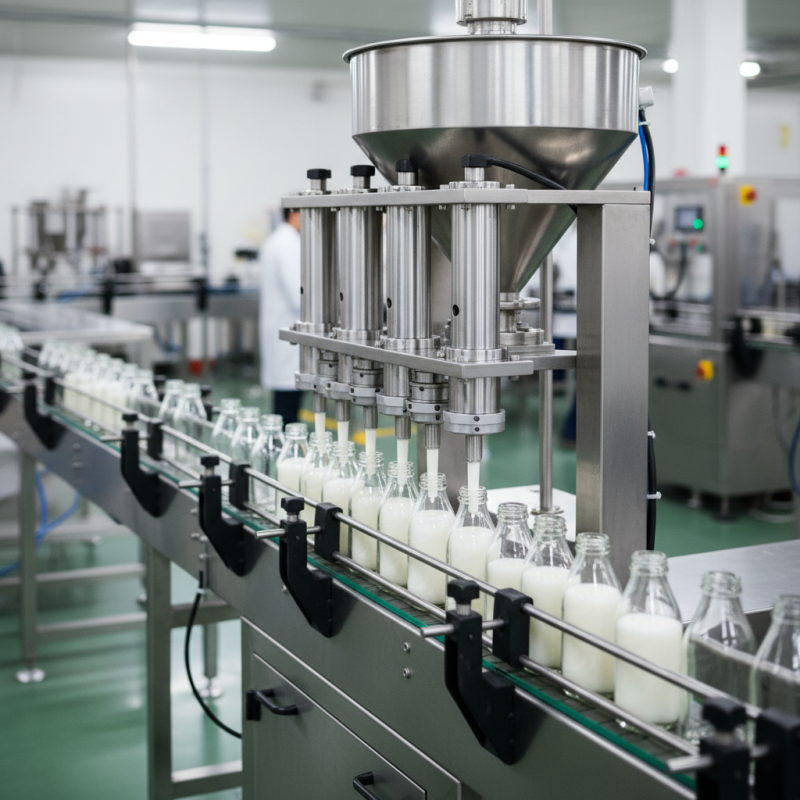
Top Features to Look for in Piston Filler Machines
When selecting a piston filler machine, various features play a crucial role in optimizing production efficiency. A key aspect to consider is the accuracy of the filling volume. Machines should allow precise adjustments to accommodate different product viscosities. This precision minimizes waste and ensures uniform product quality.
Another essential feature is ease of cleaning. In industries where sanitary conditions are paramount, a design that facilitates quick disassembly can save valuable time. This also reduces the risk of cross-contamination. Look for machines with smooth surfaces and minimal crevices to simplify maintenance.
Tip: Always assess the machine's adaptability to your production line. A versatile piston filler can handle various container shapes and sizes, enhancing overall flexibility.
Materials used in construction matter. Stainless steel is ideal due to its durability and resistance to corrosion. However, not all stainless steel is the same. Evaluate the grade to ensure it can withstand your specific operational demands.
Tip: Think about your long-term needs. Consider future production volume increases and how your chosen machine can scale with your business.
In the quest for efficiency, operation speed is critical. Machines that offer adjustable speeds can greatly benefit your workflow. However, a balance between speed and accuracy is vital. Faster isn't always better if it compromises quality.
Understanding Different Types of Piston Fillers for Various Applications
Piston fillers are vital for various industries, ensuring efficient and accurate filling processes. These machines excel in handling both low and high viscosity liquids, making them suitable for food, pharmaceutical, and cosmetic applications. According to industry reports, the demand for piston fillers is increasing as manufacturers seek to optimize production lines and reduce waste.
There are several types of piston fillers, including volumetric and time-pressure fillers. Volumetric fillers dispense a predetermined volume, ideal for precise measurements. Time-pressure fillers rely on pressure and time, tackling thinner liquids efficiently. Each type has its advantages, yet choosing the correct one requires understanding your specific needs.
Tips: Assess your product’s viscosity before selecting a filler. For thicker liquids, a volumetric filler may work best. For faster output, consider time-pressure fillers.
Investing in the right piston filler helps reduce costs and energy usage. However, not all machines perform equally well under different conditions. Regular maintenance is essential. Neglecting it can lead to inaccuracies and decreased efficiency over time. Always analyze your production requirements carefully to ensure you select the best technology.
Top Piston Filler Machines for Efficient Production Needs
| Machine Type | Filling Capacity | Applications | Features |
| Semi-Automatic Piston Filler | 50-500 ml | Cosmetics, Food | Adjustable fill volume, Easy to operate |
| Fully Automatic Piston Filler | 100-1000 ml | Beverages, Pharmaceuticals | High-speed filling, Integrated conveyor system |
| Benchtop Piston Filler | 10-100 ml | Crafting, Small batch food production | Compact design, Flexible for multiple products |
| Volumetric Piston Filler | 200-2000 ml | Sauces, Oils | Consistent accuracy, Heavy-duty construction |
| Multi-Head Piston Filler | Varied (up to 1000 ml per head) | High-speed production lines | Multiple fill heads, Reduced downtime |
Analyzing Industry Demand: Statistical Insights into Piston Filler Usage
The rise of piston filler machines is notable, given the increasing demand in various industries. These machines are essential for efficiently packaging liquids, pastes, and other thick materials. Statistical data indicates that the demand for piston fillers is projected to grow at a steady rate. Industries like food and beverage, pharmaceuticals, and cosmetics increasingly rely on these machines for precise filling.
Piston fillers have versatility. They can handle different viscosities, making them suitable for many products. However, ensuring accuracy during production remains a challenge. Even slight fluctuations in pressure can lead to inconsistent fill volumes. Manufacturers must analyze production data and adjust settings regularly. This ongoing evaluation is key to maintaining operational efficiency.
While the technology is advancing, gaps still exist. Some manufacturers face issues with machine compatibility and maintenance. The need for skilled operators grows as technology evolves. Companies should invest in training programs. This can lead to more efficient use of equipment and reduce error rates significantly. Addressing these challenges can enhance production quality in the long term.
Comparative Analysis of Leading Piston Filler Brands in 2023
In 2023, the landscape of piston filler machines is more diverse and competitive than ever. Market analysis indicates that these machines are pivotal for industries like food, cosmetics, and pharmaceuticals. The growth rate in piston filler adoption is projected at 8% annually, reflecting the need for precision and efficiency in production.
Leading brands have implemented advanced technologies that enhance accuracy. Some machines now feature automated adjustments to minimize downtime. However, manufacturers must remain cautious. Users have reported challenges with maintenance and calibration, which can fluctuate with production volume. This inconsistency raises questions about reliability.
Looking at industry reports, many piston fillers now come equipped with digital displays and integrated software for better monitoring. Despite these innovations, some users express concerns over user-friendliness. Over-reliance on technology can lead to issues if operators lack training. This reality highlights the importance of balancing technology with practical experience in operating these machines effectively.
Comparison of Piston Filler Machines Performance in 2023
This chart illustrates the performance metrics of top piston filler machines in 2023, showcasing their filling speed, accuracy, ease of use, and annual maintenance cost. The metrics provide insights into the efficiency and effectiveness of the machines available in the market.
Maintenance Best Practices for Optimizing Piston Filler Efficiency
When it comes to maintaining piston filler machines, several best practices can enhance their efficiency. Start by regularly inspecting all components. This includes checking seals, pistons, and valves for wear. Even minor wear can cause inconsistencies in fill volumes. Cleanliness is crucial. Dust and residue can lead to operational issues. Use appropriate cleaning agents to prevent damage to sensitive parts.
Additionally, lubrication is key. Ensure that moving parts are adequately lubricated to reduce friction. Over time, neglecting this can lead to machine breakdowns. Monitor the machine’s settings periodically. Small adjustments can optimize the filling process and minimize wastage.
Training staff is another important aspect. Equip your team with the right knowledge to identify and address potential problems. Encouraging them to report any irregularities can lead to faster resolutions. Create a regular maintenance schedule to ensure that no task is overlooked. Evaluating the effectiveness of these practices can lead to continuous improvement. Embrace a culture of reflection and learning.