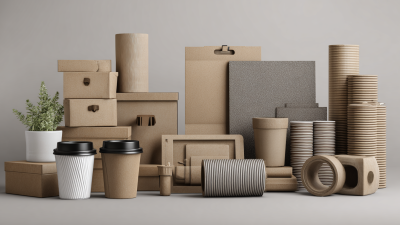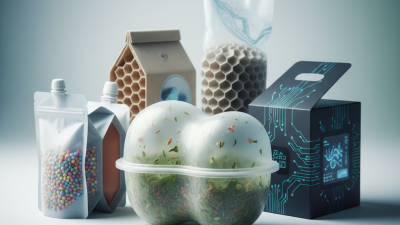
In today's competitive market, effective packaging design is crucial for brand visibility. A well-thought-out packaging design can attract customers and convey a product's value. It serves as a silent salesperson, often making the first impression. When consumers encounter a product, the packaging often dictates their immediate reaction.
Understanding consumer behavior is vital. Research shows that around 72% of shoppers base their purchase decisions solely on packaging design. This reality highlights the need for innovative packaging. However, many brands overlook important details. They might prioritize aesthetics over functionality, which can lead to missed opportunities.
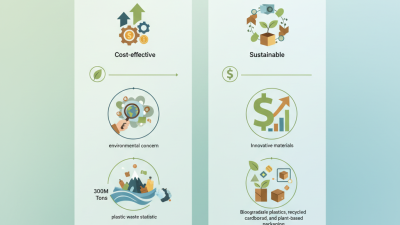
Moreover, sustainability has become a key concern. Brands face pressure to adopt eco-friendly practices in their packaging design. Balancing appealing design with environmental responsibility is challenging, yet necessary. Companies must reflect on their packaging choices and their impact on both customers and the planet. This complexity offers a chance for reflection and creativity in approach.
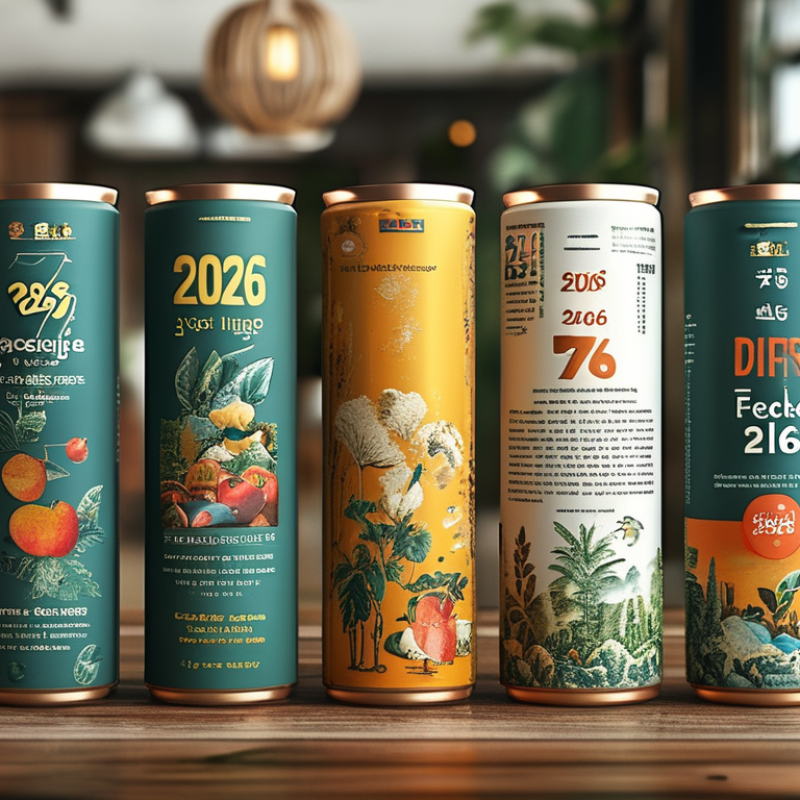
Packaging design plays a critical role in brand strategy. It is often the first point of contact between a product and a potential customer. Effective packaging can attract attention, influence perceptions, and communicate brand values clearly. A well-thought-out design creates curiosity and invites customers to explore more.
To stand out, brands must focus on details. Colors, textures, and shapes should align with the brand's identity. For example, eco-friendly materials can convey a commitment to sustainability. However, balancing aesthetics and functionality can be challenging. Sometimes, what looks good may not protect the product effectively. Therefore, it’s important to test different designs before finalizing one.
Moreover, consumer feedback is invaluable. Engaging customers in the design process can yield insights that professionals might overlook. They may express preferences that challenge established norms. Listening to this feedback can enhance packaging and align it even more closely with consumer expectations. This iterative approach fosters innovation and ensures the packaging resonates with the target audience.
| Aspect | Description | Impact Level (1-5) |
|---|---|---|
| Visual Appeal | Attractive packaging that stands out on shelves and online. | 5 |
| Sustainability | Use of eco-friendly materials to appeal to environmentally conscious consumers. | 4 |
| Brand Story | Communicating the brand's narrative through packaging design. | 4 |
| Functionality | Ensuring the packaging protects the product and is user-friendly. | 5 |
| Market Differentiation | Distinct designs that create a unique identity in the market. | 5 |
Effective packaging design plays a crucial role in attracting consumers. Visual elements are the first thing potential buyers notice. Bright colors can catch attention, but they must align with the product's identity. Unique shapes can create curiosity. However, overdoing it may confuse customers. Balance is key.
Materials also matter. Eco-friendly options appeal to many consumers today. They're not just trendy; they signal responsibility. But, can affordable alternatives compromise quality? Consider texture. A smooth finish can exude luxury, while a rustic feel promotes authenticity. Each choice should reflect your brand’s values.
Graphics and typography should be legible. Cluttered designs can overwhelm the viewer. It’s essential to communicate clearly. Effective packaging should tell a story but not be too loud. Reflect on your design choices. Do they resonate with your target market? Keep refining until your packaging conveys the right message.
Innovative materials play a crucial role in packaging design today. Sustainable solutions are becoming essential for brands aiming to reduce their environmental impact. According to a 2022 report by Smithers Pira, the global sustainable packaging market is expected to reach $475 billion by 2026. This statistic highlights a growing trend toward eco-friendly practices in packaging.
Biodegradable materials, such as plant-based polymers and recycled paper, are leading the charge. These materials break down naturally, reducing landfill waste. Additionally, new technologies, like water-based inks, are facilitating greener printing methods. The challenge lies in balancing aesthetics and functionality with sustainability. Often, brands struggle to achieve this equilibrium, risking either design impact or environmental integrity.
Consumer preferences are shifting rapidly. A recent study by Nielsen indicates that 66% of consumers are willing to pay more for sustainable packaging. This statistic creates pressure for brands to innovate continuously. However, finding resources and expertise in sustainable design can be daunting. Many companies are still grappling with how to incorporate these materials effectively. This ongoing learning process is crucial for brands in a competitive market.
Color psychology plays a crucial role in packaging design. The right colors can significantly affect consumer behavior and product perception. For instance, warm colors like red and orange evoke excitement and urgency, while cool colors such as blue and green promote calmness and trust. Utilizing these insights can enhance your product's visibility and attraction on shelves.
**Tips:** Consider the emotions you want to evoke in your customers. Bold colors can grab attention, while softer tones may suggest elegance. Don’t forget cultural implications. Colors can have different meanings in various cultures. Research thoroughly to avoid misinterpretation.
Striking a balance between aesthetics and function is vital. While you want your packaging to be eye-catching, it's essential that it still conveys necessary information clearly. Sometimes, intricate designs can clutter the message, leaving customers confused. Reflect on your current designs. Are they effectively communicating your brand's values? Adjust as necessary.
**Tips:** Test different color combinations to see which ones resonate with your audience. Gather feedback from diverse demographics to refine your choices. Remember, what works today may not work forever. Be flexible and willing to adapt your designs over time.
This chart illustrates the visibility score associated with different color choices used in product packaging. The scores reflect the psychological impact of color on consumer attraction, emphasizing how important color selection is in enhancing packaging design.
Integrating technology into packaging design opens up new avenues for engagement. Smart packaging, enhanced with QR codes, enables consumers to access more information. These codes can link to videos, usage instructions, or community forums. This connection fosters a stronger brand-consumer relationship, making packaging interactive rather than passive. However, not all consumers are tech-savvy. Some may find it challenging to engage with smart features.
Incorporating augmented reality (AR) is another innovative approach. AR applications can transform static packaging into dynamic experiences. When customers use their smartphones, they can visualize more about the product in their environment. Yet, this technology might not always resonate with everyone. Some might view it as a gimmick rather than a meaningful enhancement.
Thoughtful interactivity can guide consumers effectively. Well-designed packaging can communicate its purpose and value immediately. Visuals, textures, and even sound play roles in creating an immersive experience. Nonetheless, the key is ensuring that technology doesn't overshadow the product itself. It's crucial for brands to strike a balance and reflect on how their efforts impact the consumer experience.