
In the competitive landscape of printing, ensuring quality is paramount. Offset Printing Inspection plays a crucial role in maintaining industry standards. According to a recent report by Smithers Pira, over 80% of print buyers prioritize quality control as a key factor when selecting a supplier. This statistic highlights the importance of rigorous inspection processes in offset printing.
Effective offset printing requires detailed inspection checkpoints throughout production. Issues such as color consistency and alignment can emerge, impacting customer satisfaction. A study by the Printing Industries of America reveals that 30% of print defects occur post-production, underscoring the need for thorough inspections. Regularly assessing print quality can prevent costly reprints and enhance reliability.
Yet, the inspection process is not without its challenges. Many companies underestimate the intricacies of quality control. Inadequate training and resources can lead to oversight. Ensuring quality in offset printing is a continuous journey requiring dedicated attention. Striving for improvement in the Offset Printing Inspection process is essential for achieving optimal results and maintaining a competitive edge.
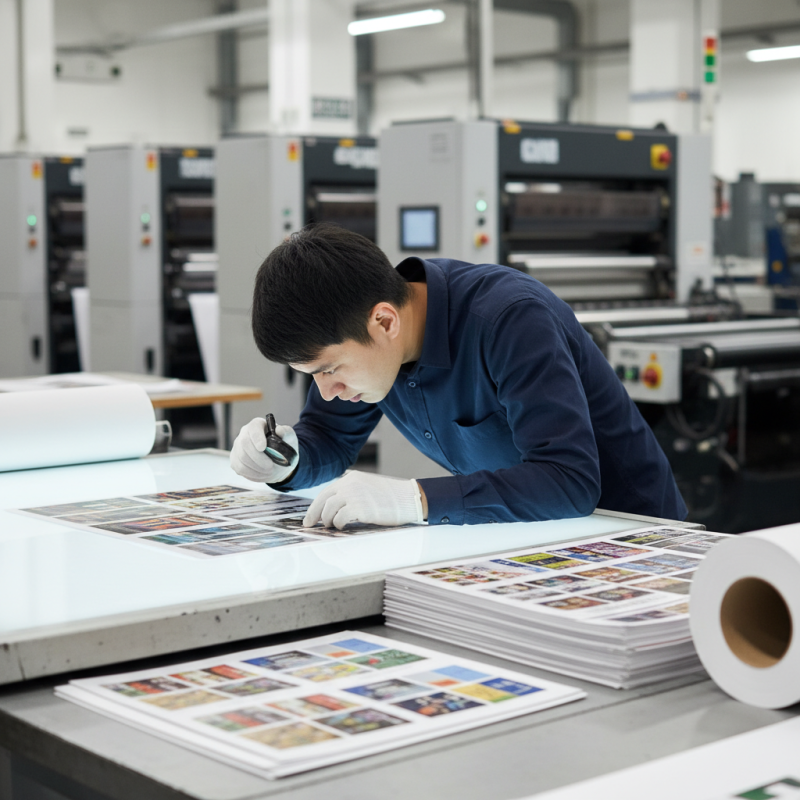
Quality holds a pivotal role in the offset printing process. Understanding how quality is woven into each step of this method is crucial. It starts with the pre-press stage. Here, meticulous attention to detail is essential. Inaccurate color proofs can lead to significant discrepancies during production. Even minor mistakes can result in wasted materials and time. This emphasizes the need for thorough checks before moving to the printing phase.
During the printing process, consistency in ink application is vital. Variations can affect the final product’s visual appeal. Regular calibration of printing machines ensures uniformity throughout a print run. However, human error remains a common challenge. Operators may overlook small flaws. Continuous training and vigilance among staff can bridge this gap.
Moving to post-printing inspection, quality control becomes paramount. Each printed sheet should be examined closely. This isn’t always perfect. Some defects may go unnoticed in the rush to meet deadlines. Implementing robust feedback loops can help identify recurring issues. Learning from past mistakes is key to future improvements. Investing in quality measures ultimately leads to enhanced customer satisfaction.
In offset printing, the inspection process is crucial for ensuring quality. Each step contributes to the final outcome, affecting both consistency and accuracy. A thorough inspection maintains output standards and minimizes errors. Attention to detail at this stage can prevent costly mistakes later.
One key step is to conduct a pre-press check. This involves verifying digital files before printing begins. Check colors, images, and text alignment thoroughly. These details can save time and resources. Ensure all proofs match specifications accurately. Small errors can lead to larger issues in the final print.
Monitoring the print run is another vital action. Regularly inspect printed samples throughout the process. Look for color consistency and registration. Use color guides to compare results and maintain standards. It’s crucial to identify discrepancies quickly.
Tips: Use a standardized checklist for inspections. This will ensure comprehensive reviews. Keep a record of findings and resolutions. Reflect on any repeat issues to improve the process. Engaging the team in discussions can lead to better practices and shared insights. Quality in offset printing requires diligence and teamwork.
| Step | Description | Tools Used | Frequency | Responsible Team |
|---|---|---|---|---|
| Pre-press Inspection | Review digital proofs against specifications | Proofing software, Calibration tools | Before printing start | Pre-press Team |
| Press Setup | Set up machinery and run initial test prints | Printing press, Color calibrator | Before each job | Press Operators |
| In-process Quality Check | Regular checks during the printing process | Measuring gauges, Color spectrophotometers | Every 1000 sheets | Quality Control Team |
| Post-press Inspection | Final inspection of printed materials | Visual checklists, Scanners | After each job completion | Finishing Team |
| Feedback Loop | Collect and analyze feedback for improvement | Surveys, Reporting tools | Monthly | Management |
In the offset printing process, defects can significantly affect the final product. Identifying these issues early during the inspection process is crucial. A common defect is color inconsistency. This occurs when different print runs show variations in hue. Such discrepancies can arise from inadequate ink mixing or variations in paper quality. Regular checks can help spot these inconsistencies, maintaining brand integrity.
Another frequent issue is moiré patterns. These unwanted visual effects can appear due to misalignment during the printing process. Inspectors should closely examine printed samples under different lighting conditions. This practice enhances the chance of catching these patterns before the final product is shipped. Such diligence is paramount, as customers expect perfect prints.
Print quality can also suffer from improper drying. If the ink hasn't set correctly, smudging and streaking may occur. This can ruin the esthetic appeal of the print. Operators need to monitor drying times diligently. Even minor oversights here can lead to significant quality issues. The goal should always be to produce flawless prints, minimizing the chance for customer returns. Each defect identified allows for adjustment and improvement in future runs.
The offset printing inspection process benefits greatly from technology. Advanced systems can enhance quality control in significant ways. Automated inspection tools assess prints with high precision. They identify defects that are often missed by the human eye.
Data from the 2022 Print Quality Index reveals that 72% of printing businesses using automation have seen improved accuracy in defect detection. Furthermore, employing AI tools in color verification speeds up the inspection process. AI can analyze color variations in real-time, ensuring that the final product meets exact standards.
However, reliance on technology is not without issues. Some employees may lack the training to utilize these systems fully. This gap can lead to underutilization of available technology. Additionally, while automated systems reduce human error, they can also generate false positives. Careful calibration and regular checks ensure reliability. Striking a balance between human oversight and technological advancement is vital.
Quality assurance in offset printing is crucial for maintaining high standards in the industry. According to a recent study, over 60% of printing defects arise from inadequate inspection processes. By focusing on the right practices, businesses can reduce errors significantly.
Regular training for staff is essential. Skilled operators can identify issues early. Implementing a checklist for pre-press and press setups helps catch potential problems. Data shows that facilities engaging in continuous training report 30% fewer defects. Detailed inspections at various production stages help uphold quality.
Investing in technology enhances inspection efficiency. Automated systems can detect color inconsistencies and registration errors more accurately. However, reliance on technology without human oversight can lead to oversights. Balancing tech use with expert evaluation is vital for optimal results. Tracking and analyzing defect data can highlight recurring issues, prompting necessary adjustments. Regular reflections on processes can improve overall output quality.