10 Essential Tips for Choosing the Right Food Packaging Boxes?

Choosing the right food packaging boxes is crucial for any food business. These boxes protect products and maintain their freshness. They also play a significant role in branding and customer satisfaction.

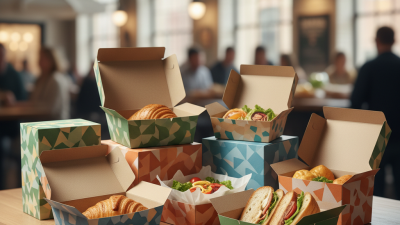
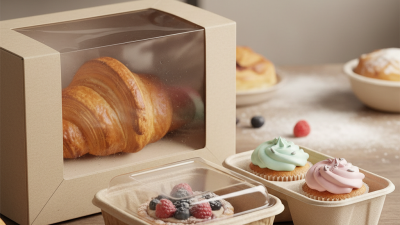
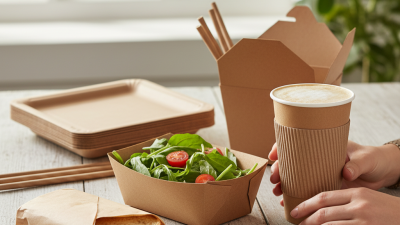
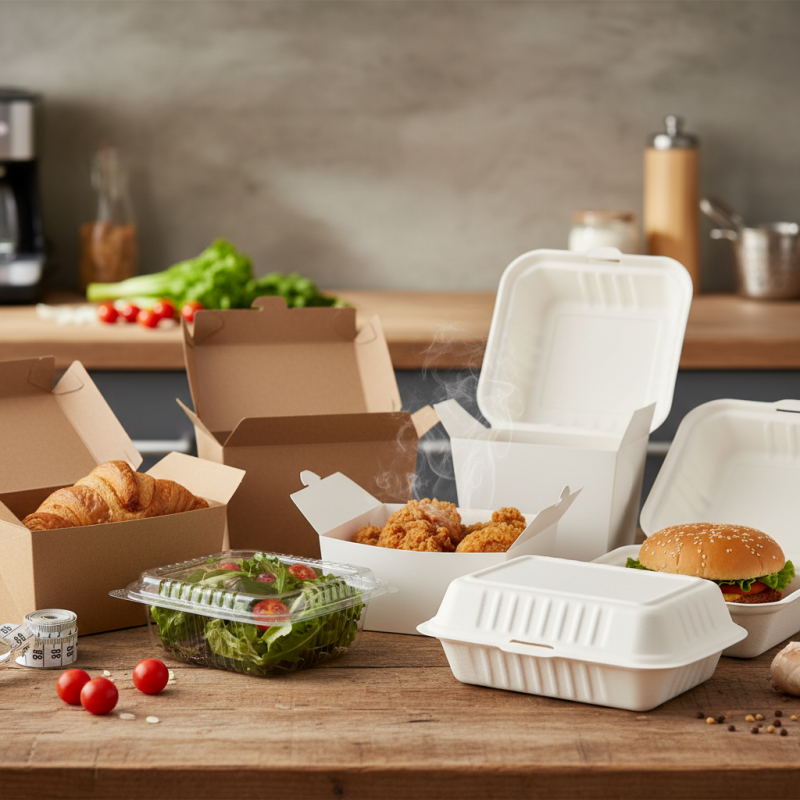
Consider the material of your food packaging boxes. Options like cardboard, plastic, or eco-friendly materials each bring unique benefits. When selecting a box, think about the type of food you are offering. The box should not affect the food's taste or quality.

Size matters too. A box that is too big can lead to movement and potential damage. On the contrary, a box that is too small may not contain the food properly. Evaluate the specifics of your product before making a decision. It's not just about appearance; function is equally important. Make sure to reflect on these aspects in your final choice.
10 Essential Tips for Choosing the Right Food Packaging Boxes?

Understanding the Importance of Food Packaging Boxes

Food packaging boxes play a crucial role in the food industry. Packaging is not just about protecting products; it also influences purchasing decisions. According to a recent study by the Food Packaging Institute, over 70% of consumers view packaging as a key factor when buying food items. High-quality packaging can enhance shelf life, maintain freshness, and meet safety standards, making it vital for any food-related business.

Choosing the right packaging requires careful consideration. A tip is to select materials that comply with food safety regulations. Look for packaging that offers barrier protection against moisture and contamination. Additionally, consider sustainable options. Research shows that 55% of consumers prefer brands that use eco-friendly materials. This shift towards sustainability can enhance brand loyalty and attract more customers.

Another important aspect is design. The packaging should reflect the brand's identity while appealing to the target audience. Be mindful of size and shape; they should facilitate easy handling and storage. While convenience is key, ensure that the packaging does not compromise on aesthetics. Poor design choices can leave a negative impression. Always test your packaging to ensure it meets practical needs.
Identifying the Right Materials for Food Safety

10 Essential Tips for Choosing the Right Food Packaging Boxes?

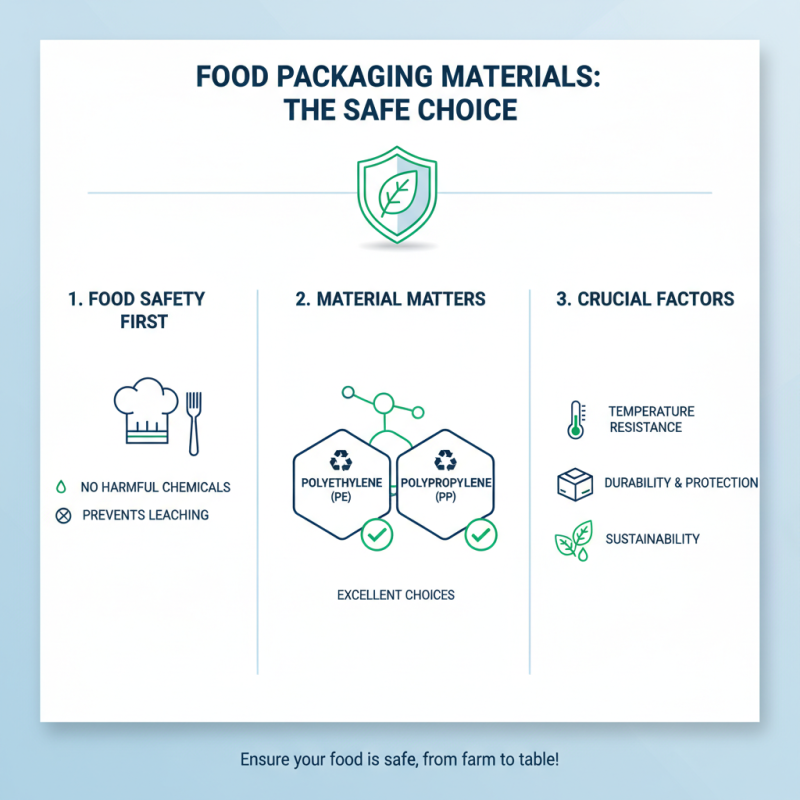
Choosing the right food packaging boxes is crucial for ensuring food safety. When it comes to materials, you need to consider several factors. Firstly, always opt for materials that are food-safe. This means they should not contain harmful chemicals that could leach into the food. For example, polyethylene and polypropylene are great choices.

One of the vital tips is to check certifications. Look for materials certified by health organizations. This shows they meet safety standards. Another aspect to consider is the packaging's ability to preserve freshness. Some materials, like vacuum-sealed plastic, can extend shelf life. However, they may not always be recyclable.

It's also essential to think about the environmental impacts of your choices. While some materials are safe, they might not be eco-friendly. Reflect on the balance between safety and sustainability. Ask yourself if the packaging aligns with your brand values. Lastly, consider user experience. Too much packaging can lead to waste, and excessive layers can confuse customers. Strive for simplicity while ensuring protection.

Evaluating Size and Shape for Efficient Storage

When selecting food packaging boxes, evaluating size and shape is crucial for efficient storage. According to a study by the Freedonia Group, the food packaging market is expected to reach $450 billion by 2027. This growth emphasizes the need for optimal design in packaging. The right dimensions can save space and reduce costs.

Consider the contents of your packaging. A box that is too large can lead to wasted space and higher shipping costs, while a box that is too small may compromise the integrity of the products inside. For instance, a single-serving food item might require a snug fit to prevent movement, but bulk items may benefit from larger, more flexible containers. The balance here is delicate.

Additionally, the shape influences stacking and storage capabilities. Boxes that are rectangular or square tend to stack better in storage facilities. They maximize vertical space, which is often underutilized. However, unconventional shapes can also attract consumers but may pose challenges in logistics. The packaging needs to be functional yet appealing, and that’s where many brands struggle. Proper evaluation can lead to smarter choices in both distribution and customer satisfaction.

Choosing Sustainable Options for Environmental Impact

When selecting food packaging boxes, sustainability matters. The choice can significantly impact the environment. Opt for materials that are recyclable or biodegradable. For instance, paper-based packaging is often a good alternative. It decomposes naturally and has a lower carbon footprint. However, not all paper options are created equal. Some may still use harmful chemicals in their production.

Consider your local waste management practices. If it isn’t equipped to recycle certain materials, you may face challenges. Plastic might seem convenient, but it often ends up in landfills. Using compostable packaging can be a step toward reducing waste. Look for certifications to ensure the materials are genuinely sustainable.

Remember that aesthetics play a role too. Attractive packaging can enhance a product's appeal, but it shouldn't come at the expense of the environment. Striking a balance is crucial. Explore innovative designs that utilize minimal packaging without sacrificing quality. In this journey, reflection is key. Are your choices genuinely eco-friendly? Choosing sustainable options is an ongoing process, not just a trend.

10 Essential Tips for Choosing the Right Food Packaging Boxes

Tip No. Tip Key Considerations Sustainability Impact
1 Assess Material Type Choose biodegradable or recyclable materials. Reduces landfill waste.
2 Evaluate Size and Shape Select the smallest packaging that meets your needs. Minimizes material use and waste.
3 Prioritize Reusability Opt for packaging that can be reused by consumers. Encourages sustainable consumer habits.
4 Consider Life Cycle Assessment Examine the total environmental impact from production to disposal. Identifies the most eco-friendly options.
5 Research Vendor Sustainability Practices Evaluate suppliers for their commitment to sustainable practices. Supports overall sustainability efforts.
6 Look for Certifications Choose products with eco-labels or certifications. Ensures compliance with environmental standards.
7 Focus on Innovative Solutions Explore new materials like plant-based plastics. Reduces reliance on traditional plastics.
8 Ensure Compliance with Food Safety Regulations Select materials that meet health standards. Protects consumer health and safety.
9 Streamline Supply Chain Work with local suppliers to reduce transport emissions. Minimizes carbon footprint.
10 Educate Consumers Inform customers about the sustainability of packaging. Encourages responsible disposal and recycling.

Designing for Branding and Consumer Appeal

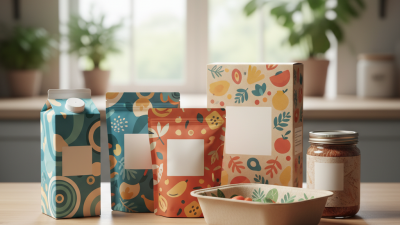
When designing food packaging boxes, branding and consumer appeal are crucial. Packaging is often the first interaction customers have with a product. Studies show that 72% of consumers say packaging design influences their purchase decisions. This makes it essential to create designs that resonate visually and emotionally.

Color plays a significant role in consumer appeal. Reports indicate that color can increase brand recognition by up to 80%. Bright colors attract attention, but too much can overwhelm. Striking a balance is key. Packaging materials also matter. Eco-friendly options are gaining popularity. In fact, 66% of consumers prefer brands that use sustainable packaging. However, not all consumers prioritize this, leading to mixed reactions.

Imagery can evoke feelings and drive sales. Using high-quality images of the food can stimulate hunger. Yet, images must be authentic. Misleading visuals may lead to consumer distrust. It’s a tightrope walk between attractive design and honest representation. Engaging designs can set a brand apart, but companies must constantly evaluate effectiveness. Designing for branding shouldn’t overshadow practicality. Creativity should not come at the cost of functionality.