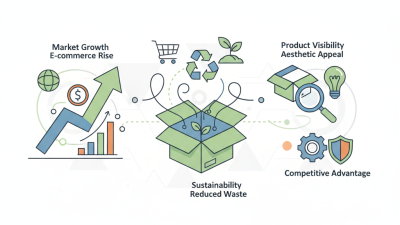
In a competitive market, effective folding carton packaging is crucial. This type of packaging influences consumer behavior. Attractive design can make a product stand out. However, it’s not just about looks. Functionality also plays a major role.
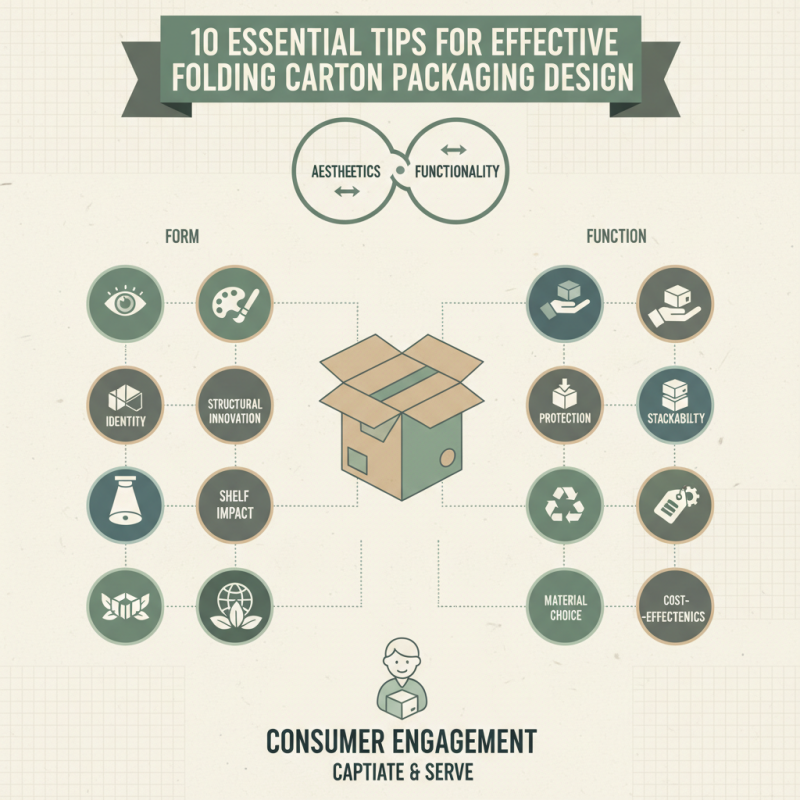
Many brands overlook essential factors during design. They focus primarily on aesthetics, leaving out critical elements like usability. A poorly designed carton may end up in the trash, despite its visual appeal. It's essential to engage customers with both form and function.
Consider the materials used in folding carton packaging. Sustainability is increasingly important. Eco-friendly options can enhance brand image and attract environmentally conscious consumers. Yet, some brands struggle to balance cost with quality. Reflecting on these aspects can lead to better design decisions. Ultimately, effective folding carton packaging should captivate and serve its purpose.
Folding carton packaging plays a vital role in consumer products. Understanding its basics is crucial for effective design. The packaging not only protects items but also serves as a marketing tool. According to a report by Smithers Pira, the market for folding cartons is expected to reach $320 billion by 2024. This significant growth highlights the importance of innovative designs in attracting consumers.
When designing, consider the materials used. The right material provides durability while remaining cost-effective. Many companies overlook sustainability in their packaging. Yet, consumer preferences are shifting. A recent survey by Nielsen found that 66% of global consumers prefer sustainable brands. Ignoring this trend could leave your product behind.
Visual appeal is key. The design should engage customers quickly. Graphics and color schemes matter. However, simplicity should not be sacrificed for complexity. A cluttered design can confuse. Potential buyers might be turned off. Test designs with focus groups to gather feedback. Some designs may look great but fail to resonate with consumers. Iterating based on real feedback is essential for a successful final product.
Choosing the right materials for folding carton packaging is vital. It impacts both durability and aesthetics. Cardboard is a popular choice. It’s sturdy and can be printed easily. However, not all cardboard is created equal. Some types may not withstand pressure or moisture. Testing your material is a key step.
Print quality can suffer if the wrong paper is selected. Thinner options may look good but could tear easily. A thicker paper could enhance the product’s image and longevity. Think about the product's weight as well. Lightweight materials might not hold heavy items well. Consider the packaging's end use. Is it for shipping or retail display? Each context needs different material characteristics.
Another factor is sustainability. Some materials are environmentally friendly but less durable. Balancing aesthetics with eco-friendliness is challenging. Researching alternative materials is essential. Maybe recycled options could work. Still, there are trade-offs. Understanding customer expectations can guide your choices.
Each decision should reflect your brand's values and vision. The packaging should not only protect but also attract.
Visual elements play a critical role in folding carton packaging design. Effective use of colors, shapes, and typography can greatly enhance brand recognition. According to a study by the Branding Journal, 93% of consumers make purchasing decisions based on visual appearance. Thus, investing time in design details is essential.
Tip: Choose colors that reflect your brand values. Colors evoke emotions and can influence buyer behavior. For example, blue often conveys trust, while red can trigger excitement. Use these colors strategically on your packaging.
Incorporating graphics or logos can further elevate your design. Research from the Packaging Association indicates that products with strong visual identities see a 30% boost in sales. Visuals should be simple yet memorable. Oversaturated designs can confuse, making the product less appealing.
Tip: Be consistent with your branding elements. Use the same logo placement and color schemes across different packages. This consistency helps customers identify your brand quickly.
While it’s important to follow trends, not all designs age well. A great design should remain relevant over time. Keep it simple, engaging, and functional to ensure durability and appeal.
| Tip Number | Tip Description | Visual Element | Purpose |
|---|---|---|---|
| 1 | Understand your target audience | Demographics | Tailors design to consumer preferences |
| 2 | Utilize vibrant colors | Color Palette | Captures attention and conveys brand message |
| 3 | Incorporate brand logo prominently | Logo Placement | Enhances brand recognition |
| 4 | Use clear typography | Font Selection | Ensures readability of product information |
| 5 | Focus on packaging functionality | Structural Design | Enhances user experience |
| 6 | Include environmental messaging | Sustainability Icons | Appeals to eco-conscious consumers |
| 7 | Integrate graphics relevant to product | Illustrations | Visually communicates product benefits |
| 8 | Leverage touch and feel elements | Textured Finishes | Enhances tactile experience |
| 9 | Emphasize product advantages clearly | Highlight Features | Helps buyers make informed decisions |
| 10 | Ensure compliance with regulations | Legal Symbols | Avoids legal issues and builds trust |
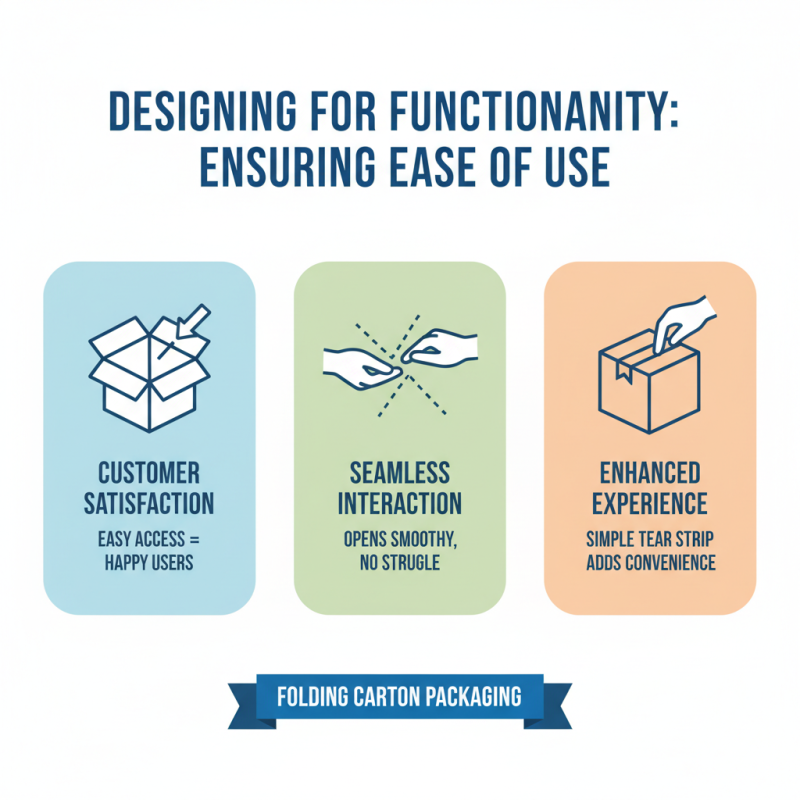
When designing folding carton packaging, functionality is key. An easy-to-use package improves customer satisfaction. Think about how users will interact with the product. The packaging should open smoothly without excessive force. Users often get frustrated if they struggle to access the contents. A simple tear strip can make a big difference. It adds convenience and enhances the unboxing experience.
Consider the structure of the carton. It should stand upright and maintain its shape during transport. A well-structured package prevents product damage. Users appreciate stability when they receive their items. Poor design can lead to spills or broken goods, which frustrates customers. It is essential to evaluate the materials used as well. Sometimes, eco-friendly materials may compromise strength. Balancing sustainability with functionality can be challenging, but it’s worth the effort.
Sometimes, we overlook the details. Color choices can affect usability. Dark colors might make it harder to see the contents inside. Transparency or windows can enhance product visibility. Reflect carefully on how these elements serve the user. Engaging with potential customers during the design phase can reveal insights. User feedback is invaluable, yet designers often skip this step. This oversight may result in ineffective packaging solutions.
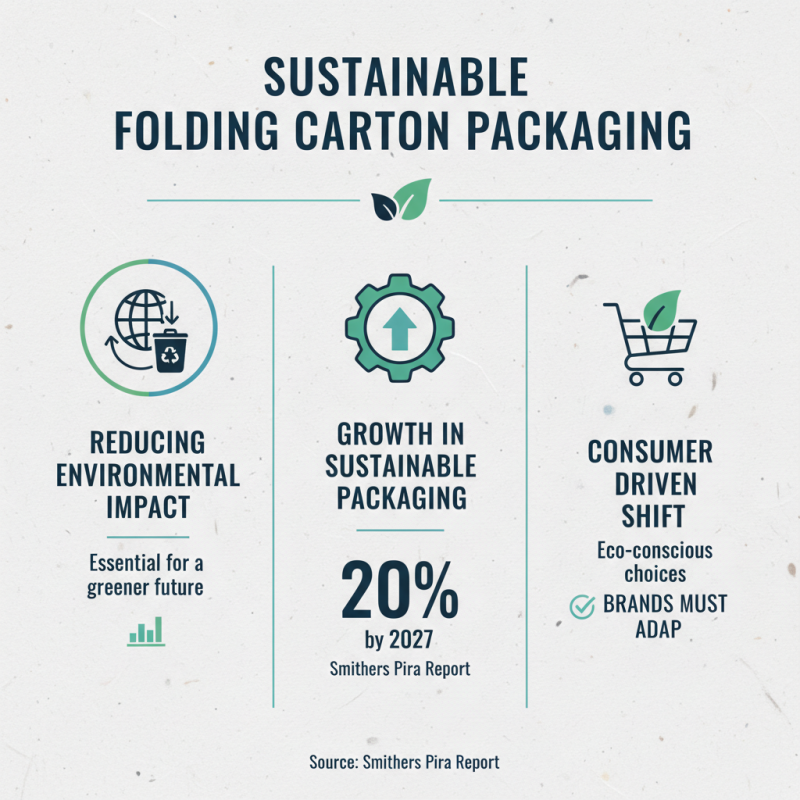
Sustainable practices in folding carton packaging design are essential for reducing environmental impact. According to a recent report by Smithers Pira, the demand for sustainable packaging is projected to grow by 20% by 2027. Consumers are becoming eco-conscious, and brands must adapt to this shift.
One important tip is to choose recyclable materials. Using paperboard from sustainably managed forests helps. Look for certifications like FSC or PEFC. Additionally, minimizing the use of inks and coatings can enhance recyclability. Eco-friendly adhesives also contribute to a product’s sustainability.
Another strategy is to optimize design for efficiency. Streamlined designs reduce material usage without sacrificing quality. For instance, using fewer, simpler folds can cut down waste. It’s crucial to rethink every component. Evaluate if each element is necessary.
Lastly, consider the entire lifecycle of the packaging. A lifecycle assessment can reveal areas for improvement. This highlights, sometimes painfully, where materials are wasted or used inefficiently. Engaging in these reflections can push brands toward more innovative, sustainable solutions. Adapting to these practices not only meets consumer demand but also leads to a healthier planet.