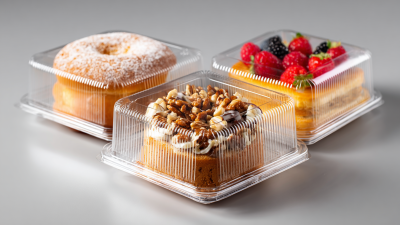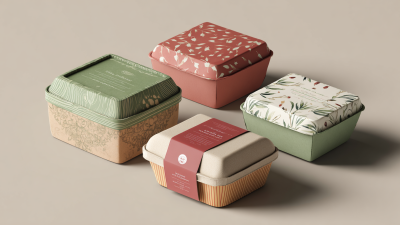
In today’s highly competitive market, effective packaging printing plays a crucial role in enhancing brand visibility and consumer engagement. According to a recent study by the Smithers Pira, the global packaging printing market was valued at approximately $400 billion in 2022 and is expected to grow significantly, driven by increased consumer demand for visually appealing packaging that communicates brand values. With 70% of purchasing decisions made at the point of sale, businesses cannot afford to overlook the impact that packaging printing has on consumer perception and buyer behavior.
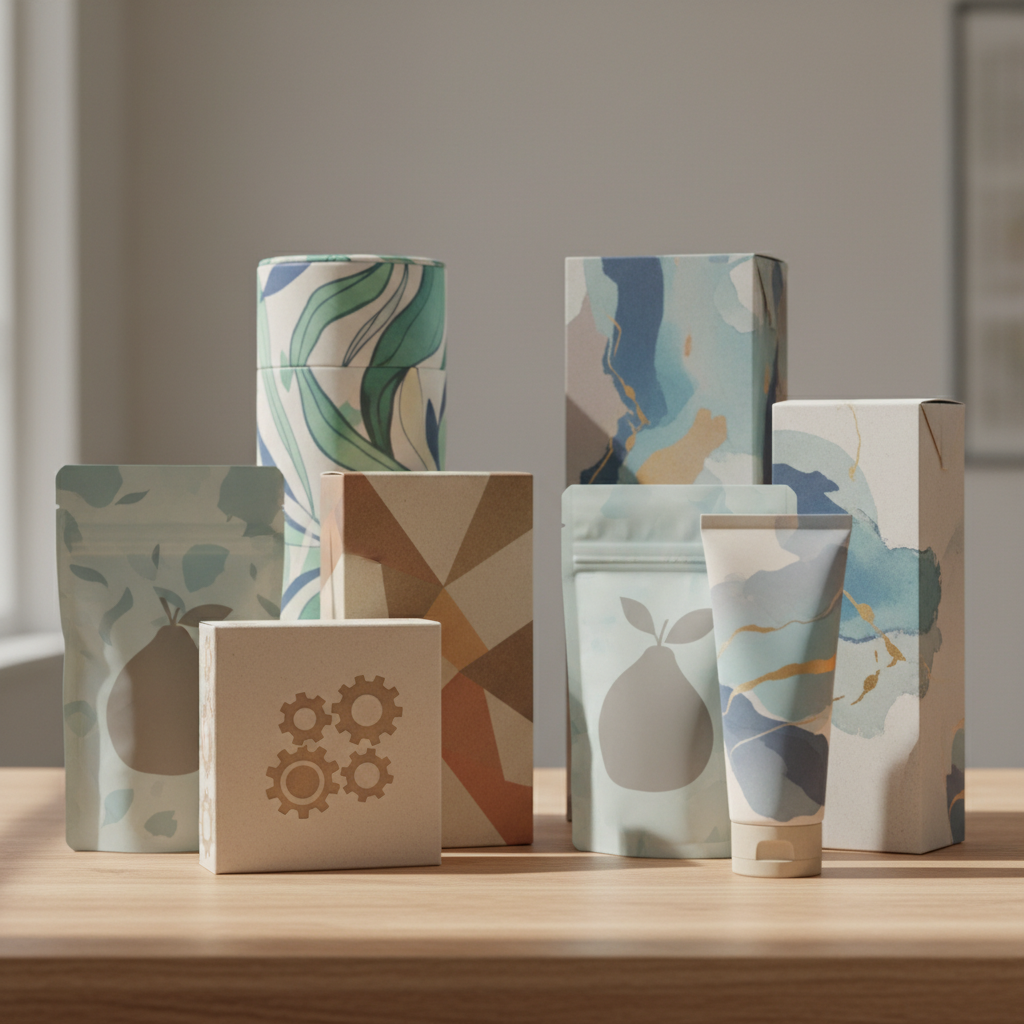
Furthermore, an industry report by MarketsandMarkets highlights that sustainable packaging is becoming a major trend, with 55% of consumers willing to pay more for products with environmentally friendly packaging. This shift underscores the importance of packaging printing not just in aesthetics but also in reflecting corporate responsibility and social values. Companies that invest in high-quality, innovative packaging printing are likely to see a stronger connection with their target audience and an increase in their overall market share. Thus, mastering effective packaging printing strategies is essential for brands aiming to stand out in a crowded marketplace and to foster lasting relationships with consumers.
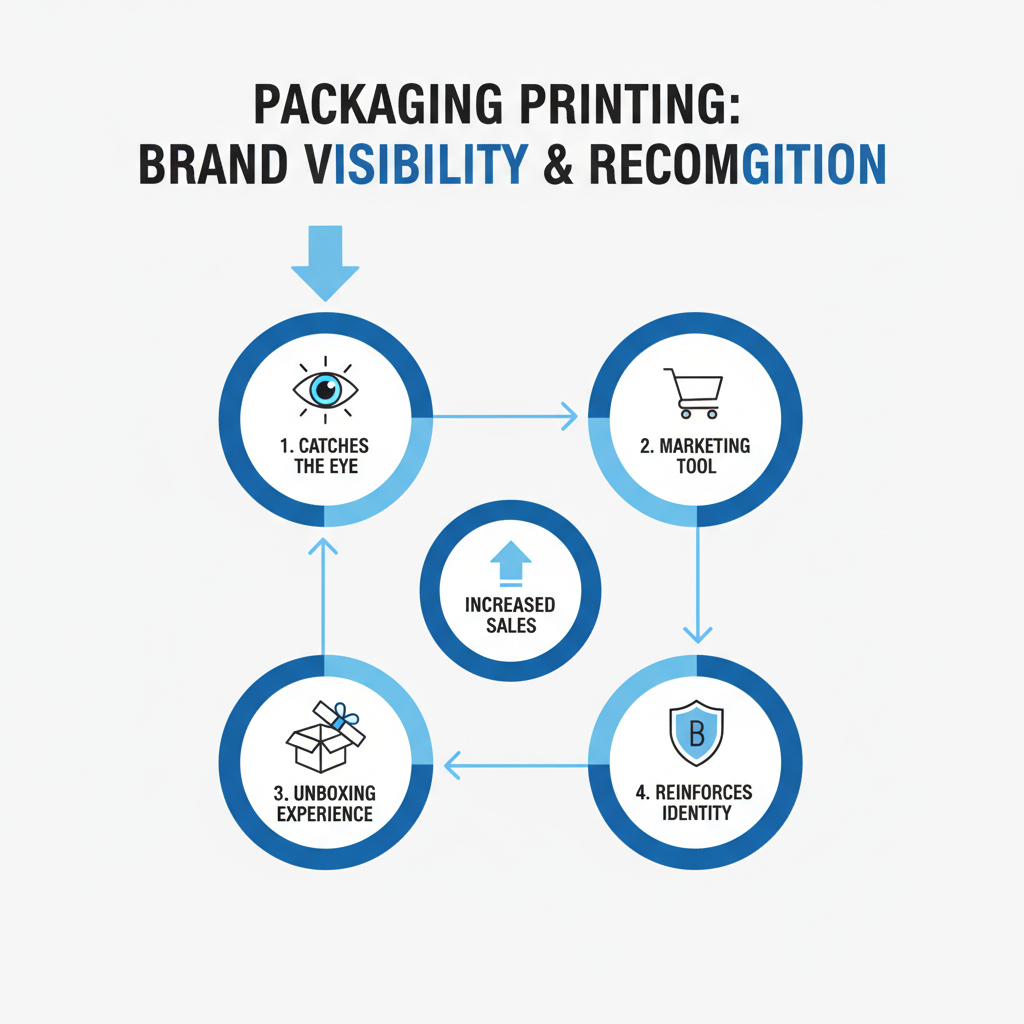
Packaging printing plays a crucial role in establishing brand visibility and recognition in today’s competitive market. Effective packaging not only serves to protect products but also acts as a key marketing tool that communicates the brand's values and message to consumers. Through thoughtful design and quality printing, businesses can create packaging that catches the eye, enhances the unboxing experience, and reinforces brand identity.
Understanding the importance of packaging printing begins with recognizing its potential to influence consumer behavior. When packaging is attractive and well-executed, it draws attention on crowded shelves and can make a lasting impression. Elements such as color, graphics, and typography are essential in conveying a brand’s story and creating an emotional connection with customers. Moreover, high-quality printing ensures that the packaging stands out and reflects the premium nature of the product, further enhancing consumer perception and loyalty.
When selecting the right printing technique for your product packaging, it is essential to consider the material and desired finish. Different products require different levels of durability and aesthetic appeal. For instance, flexographic printing is ideal for large-scale projects on flexible packaging materials, thanks to its speed and efficiency. It is particularly effective for products that require vibrant colors and intricate designs, making it a popular choice among food and beverage brands.
On the other hand, digital printing has gained traction due to its versatility and ability to produce high-quality prints in shorter runs. This method is perfect for businesses looking to customize packaging for specific campaigns or seasonal promotions. With digital printing, brands can experiment with personalized designs that resonate with their target audience while minimizing waste. By understanding these key printing techniques, brands can make informed choices that not only enhance their packaging but also reinforce their brand identity in a competitive market.
Color plays a crucial role in packaging design, influencing consumer perceptions and choices. Research indicates that up to 85% of consumers make purchase decisions primarily based on color. Brands can harness color psychology to create packaging that not only attracts attention but also resonates with their target audience. For instance, blue often conveys trust and reliability, making it popular among tech and finance brands, while vibrant colors like red and yellow can stimulate appetite, favoring food and beverage products.
Additionally, different demographics may have varying preferences when it comes to color. A study found that younger consumers are drawn to brighter, more expressive colors, whereas older demographics tend to prefer muted tones. Understanding these nuances allows brands to tailor their packaging strategies effectively. By using color strategically, businesses can enhance brand visibility, evoke emotions, and ultimately drive customer loyalty, making it an essential element of effective packaging printing.
When it comes to enhancing your brand image and appeal, sustainable packaging solutions play a crucial role. Consumers today are more environmentally conscious, and they often prefer brands that align with their values. Utilizing eco-friendly materials not only demonstrates your commitment to the planet but also attracts attention in a crowded marketplace. Biodegradable, recyclable, or compostable packaging options can significantly enhance your brand’s perceived value and authenticity.
To make the most of your packaging printing efforts, consider the following tips. First, select materials that reflect sustainability without compromising quality. For example, using recycled paper or plant-based inks can help convey your eco-friendly message effectively. Second, invest in innovative designs that stand out on shelves while still being mindful of environmental impacts. Incorporating minimalist designs can not only save material but also embody a modern, clean aesthetic that resonates with today’s consumers.
Lastly, communicate your sustainability efforts clearly on your packaging. Transparency is key; consumers appreciate brands that openly discuss their eco-friendly initiatives. By sharing information about the sustainable practices you employ, you can foster an emotional connection with your audience and ultimately enhance your brand image.
| Dimension | Description | Impact on Brand |
|---|---|---|
| Design Quality | High-quality graphics and effective color choices that attract attention. | Enhances visual appeal and customer attraction. |
| Material Choice | Use of sustainable materials that minimize environmental impact. | Boosts brand image as environmentally responsible. |
| Functionality | Packaging is easy to open, reclose, and store. | Improves user experience and promotes repeat purchases. |
| Brand Messaging | Incorporation of logos, slogans, and core values. | Strengthens brand identity and loyalty. |
| Innovative Features | Interactive elements or QR codes that engage customers. | Enhances customer interaction and brand engagement. |
| Cost Efficiency | Balancing quality printing with budget considerations. | Maximizes profit margins while maintaining quality. |
Effective design elements play a crucial role in enhancing brand visibility, especially through the strategic use of typography and imagery. Studies show that 90% of product assessment is based on color alone, indicating the power of visual elements in shaping consumer recognition and preferences. Typography further reinforces brand identity; for instance, brands utilizing custom fonts have been found to generate 66% stronger brand recognition compared to those with generic typefaces. This significance is emphasized by the transformative impact of design, which drives measurable results in market performance.
Moreover, the integration of imagery can elevate packaging designs from ordinary to extraordinary. A recent report revealed that well-designed product packaging can increase sales by up to 20%. This underscores the need for brands to invest in innovative packaging solutions that not only attract attention but also convey a coherent brand story through visual elements. As graphic designers continue to inspire through their creative work, companies are urged to prioritize effective design in their packaging strategies, ensuring that every product not only stands out but also resonates with consumers on a deeper level.